It seems somehow appropriate that our test drive of the Brabus Bodo takes place on the Pebble Beach property on the weekend during which the Northern California golf resort hosts its eponymous classic-car concours. With its dramatically long hood, selfish cabin, and swept-back drop-tail rear, the two-door grand tourer looks like the kind of dramatic, sinister, Streamline Moderne coupe a European coachbuilder would have created for a wealthy Axis-collaborating industrialist in the dark days leading up to WWII.
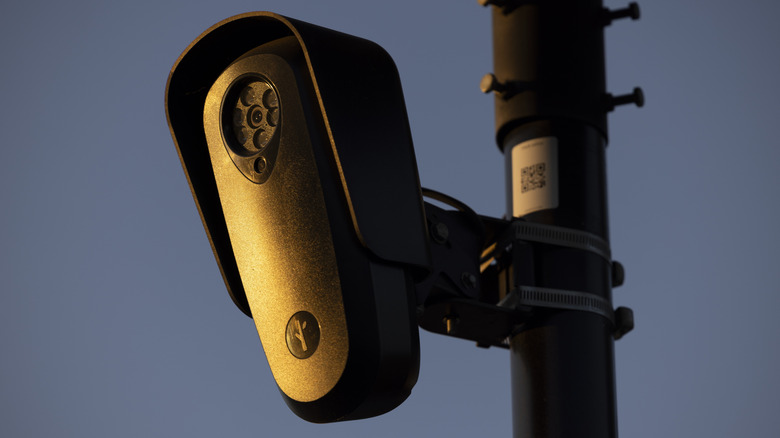
Flock is the name on the lips of a lot of fed-up American citizens as of late, thanks to the litany of ways this dystopian mass surveillance company has angered the public and caused harm. Despite the vast array of blunders, including (but certainly not limited to) creepy cops using the database to track down and stalk their ex-partners, and even the wrongful detainment of a fellow automotive journalist, some people still think the cameras are a good thing. Now, new data shows that Atlanta, the city with over 5,000 Flock Automatic License Plate Readers (ALPRs), and the city that Flock Safety calls home, has not seen a meaningful decrease in its crime clearance rates despite an eightfold increase in the number of Flock cameras.
Most people look at sticker prices when buying a new car. Some also take into account the fuel efficiency, insurance, maintenance, and repairs before making a decision. The fact is, though, depreciation — not gas or insurance — is the single biggest expense of owning a new vehicle. Depreciation stays hidden right until the moment when you want to sell the vehicle. Then, reality kicks in, and you realize you lost over $10,000 in just a few years of ownership.
Have you noticed your gas mileage going down in the dead of winter and the hottest days of summer? You're not imagining things. Fuel efficiency goes down in extreme temperatures, though not always for the reasons you may think.
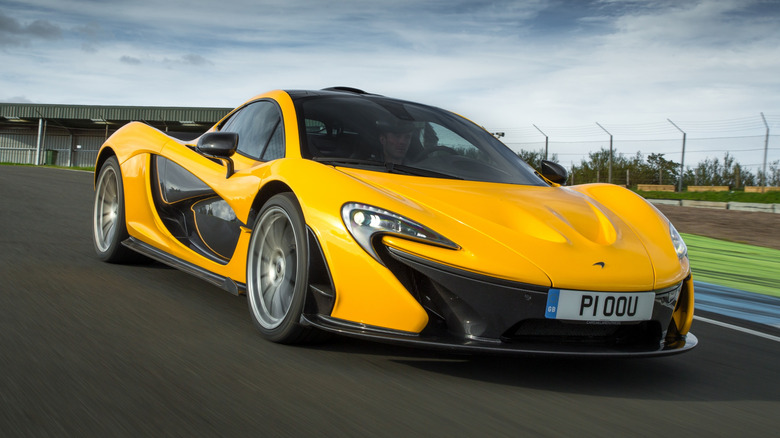
It feels like just yesterday McLaren was dropping off my P1 to go with my Porsche 918 Spyder and Ferrari LaFerrari, but the hybrid batteries in those cars are now old enough to warrant replacements — time flies when you're having fun, et cetera. One aftermarket firm, V Engineering, has developed a new battery for the McLaren P1 that also improves the car in two key areas: weight and electric driving range.
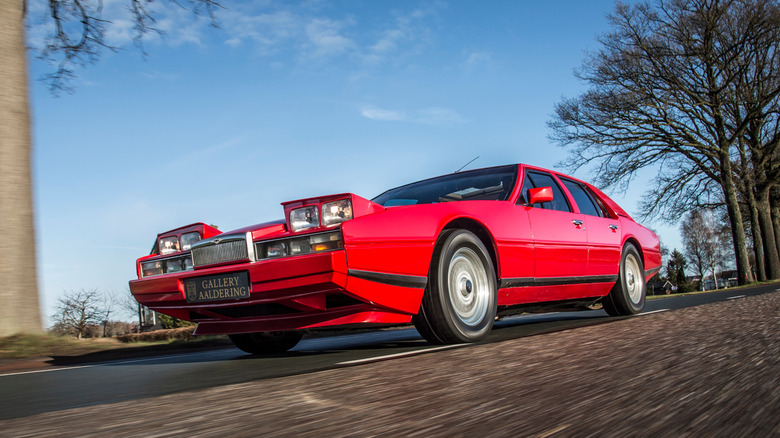
Depreciation is a curse that affects almost every car on the road. According to Kelley Blue Book, an average new car will shed around 30% of its value within the first two years alone, and then a considerable chunk more each year thereafter. As the years progress, many cars eventually become financially unviable to repair and maintain, and so they get parted out or simply scrapped. Those that do survive the banger years can wind up becoming classics. In some cases, their depreciation curve can reverse, and their prices can slowly begin to climb once again as buyers look to enjoy a touch of nostalgia. Because of this, many once undesirable cars from the 1970s are now worth a small fortune. But interestingly, for some '70s cars, the exact opposite is the case; despite being worth a fortune when they were new, they remain heavily depreciated today, and therefore might make for tempting bargains in 2026.
Lamborghini has unveiled the Revuelto SV, the latest entry in a line of Super Veloce supercars that stretches back to the iconic Miura.
The Revuelto SV is the most powerful production Lamborghini ever, with the V-12 hybrid powertrain now cranking out 1050 horsepower and 1051 pound-feet of torque.
Motorsports-inspired changes, such as the fixed rear wing, also allow the SV to produce 80 percent more downforce than a regular Revuelto.
The SV name has returned. A decade after the last SV-badged Lamborghini supercar ended production, the Super Veloce moniker will now adorn the hybrid Revuelto. The 2027 Revuelto SV follows the same approach as past iterations of the Super Veloce family, such as the Murciélago SV and Aventador SV, turning Lamborghini's flagship wedge into an even more focused track-ready weapon.
Spyker has revealed the last iteration of its V-8 supercar, the C8 Preliator XXV Coupé.
The styling is classic Spyker, with sleek bodywork adorned with ornate metal trim and a cabin filled with quilted leather.
An Audi-sourced twin-turbocharged 4.0-liter V-8 produces 789 horsepower and 737 pound-feet of torque and is mated to a six-speed manual transmission.
Spyker has had a shaky existence. The original company, founded in 1880 as a carriage maker, transitioned to cars by 1900 but went out of business in 1926. Spyker was then revived in 1999 with a focus on ornate mid-engined supercars, but it has faced persistent financial issues, most recently filing for bankruptcy in 2021. But the Dutch automaker has returned once again, now unveiling its latest creation, the C8 Preliator XXV Coupé, at The Quail during Monterey Car Week.
Mercedes-Benz customizer Brabus extends its foray into coachbuilding with this second Bodo model.
The Bodo is named after the company’s late founder, and this version rocks a convertible top.
The company plans to build 77 Bodo cabriolets and an equal number of coupes.
Three months after announcing the Bodo coupe as its first coachbuilt automobile, the German firm Brabus takes the wraps off the equally dramatic Bodo Cabriolet. Like the hardtop, the Bodo Cabriolet is an impossibly long and sleek grand tourer with seating for four. And although Brabus is best known for customizing and upgrading Mercedes-Benz automobiles, both Bodo models are based on the Aston Martin Vanquish, the British firm’s grandest grand tourer.
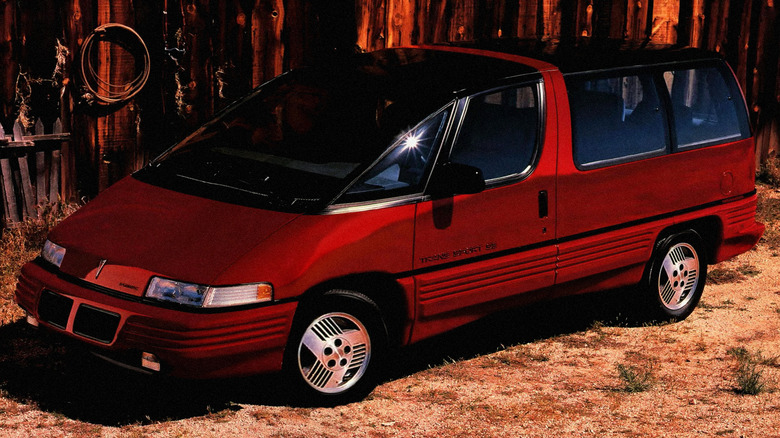
Kids are goofballs. Even the smart ones have absolutely horrible takes and opinions, and I'm sure you were no different. I know I wasn't. I had some truly dreadful car opinions, including thinking that there were some cars that were way cooler than they actually were. That idea is what brought me to the question I asked you all last week.