
1920 Wheat Penny Coin Value (Errors List, “D”, “S” & No Mint Mark Worth)
A 1920 Wheat Penny is worth $0.50 to $2 in circulated condition, but high-grade examples can sell for $1,000 to $15,000+ depending on mint mark and condition. This comprehensive 2026 guide breaks down current values for all three mint marks—Philadelphia (no mint mark), Denver (D), and San Francisco (S). You’ll discover which error varieties like RPMs can increase value, how mintage numbers affect rarity, and essential grading tips. Whether you’re a beginner or experienced collector, this overview helps you determine exactly what your 1920 wheat penny is worth today. For a broader overview of all wheat penny values, visit our Penny guide.
- 1920-D and 1920-S pennies are scarcer than Philadelphia issues, with Denver mintages at 49,280,000 vs Philadelphia’s 310,165,000.
- Record auction prices: $16,800 for an MS67+ 1920 Philadelphia penny (2025) and $15,600 for an MS66 1920-D.
- Error varieties like RPM (repunched mint marks) can add premium, but never clean your coin as it damages patina and reduces value.
How Much Is a 1920 Wheat Penny Worth? (2026 Price Guide by Mint Mark)
- Philadelphia (no mint mark): 310,165,000 minted; $0.50-$2 in circulated condition; up to $25+ uncirculated; record $16,800 for MS67+ (2025)
- Denver (D): 49,280,000 minted; $1-$20 circulated; $150+ uncirculated; gem MS66 sold for $15,600
- San Francisco (S): scarcer issue; $2-$25 circulated; $200+ uncirculated
- High-grade examples: MS67+ specimens command $1,000 to $15,000+ depending on mint mark and condition
The Denver and San Francisco mint marks are significantly more valuable than Philadelphia issues due to lower mintages. Even in circulated condition, the 1920-D and 1920-S fetch 2-12 times the price of a no-mint-mark penny. The real premium appears in uncirculated grades, where the scarcity of high-grade Denver and San Francisco coins drives prices into the hundreds and thousands. The record $16,800 for a Philadelphia MS67+ shows that perfect condition can transcend mint mark rarity, but such grades are exceptionally rare for any 1920 wheat penny.
Price Comparison: Circulated vs Uncirculated Values
| Mint Mark | Circulated Value | Uncirculated Value | High-Grade MS67+ Value |
|---|---|---|---|
| No Mint Mark (Philadelphia) | $0.50 – $2 | $25 – $150 | $1,000 – $15,000+ |
| D (Denver) | $1 – $20 | $150 – $500 | $1,000 – $15,000+ |
| S (San Francisco) | $2 – $25 | $200 – $600 | $1,000 – $15,000+ |
The table reveals dramatic value jumps when moving from circulated to uncirculated condition. A 1920-D in circulated condition might be worth $10, but the same coin in MS-65 could exceed $500—a 50x multiplier. San Francisco issues show the steepest escalation due to their inherent scarcity. Even the most common mint mark (Philadelphia) sees a 100x increase from circulated to gem quality. This underscores why condition is the single most important factor after mint mark identification.
What Makes the 1920 Penny Valuable?
Three primary factors determine value: mint mark rarity, condition/grade, and error varieties. The Denver and San Francisco mints produced far fewer pennies than Philadelphia—49.3 million vs 310.2 million—making D and S marks inherently scarcer. Condition is equally critical: a coin with wear (circulated) typically sells for $0.50-$25, while uncirculated examples start around $150 and climb rapidly. High-grade Mint State coins (MS-67 and above) are exceptionally rare and can reach five figures. The third factor is errors: repunched mint marks (RPMs), doubled dies, and off-center strikes add premiums of 20-200% depending on severity. Notably, the famous 1922 No-D error does NOT apply to 1920 pennies, so don’t expect that variety. For maximum value, seek a 1920-D or 1920-S in high grade with a visible error, but always verify authenticity through professional grading. Additionally, for uncirculated coins, full red copper color is worth more than brown-toned examples, adding another layer of premium for pristine specimens.
How Many 1920-D Pennies Were Made?
The 1920-D Wheat Penny had a mintage of 49,280,000 coins struck at the Denver Mint. While this number seems large, it pales next to Philadelphia’s 310,165,000, making the Denver issue roughly one-sixth as common. However, mintage alone doesn’t tell the full story. The 1920-D is fairly common in circulated grades because many entered circulation and survived. The real scarcity emerges in higher uncirculated grades: finding a 1920-D in MS-65 or better is difficult, and gem quality MS-66 or MS-67 examples are rare. This supply-demand dynamic explains why a circulated 1920-D sells for $1-$20, but a certified MS-66 can command $15,600 or more. The Denver Mint’s production that year suffered from soft strikes, meaning many coins lack sharp details—another factor that makes high-grade, well-struck examples especially valuable. Collectors should also note that some 1920-D pennies may lack the mint mark entirely (a different error), but these are extremely rare and not the same as the 1922 No-D variety. Compare with the ultra-rare 1877 Indian Head Penny, which had a mintage of just 1 million.
1920 Wheat Penny Error Varieties You Need to Know
- Repunched Mint Marks (RPM): The ‘D’ or ‘S’ mint mark appears doubled or shifted due to manual repunching; these varieties command premiums of 20-50% or more
- Doubled Die Errors: Doubling visible on date, lettering, or wheat stalks; though less common in 1920, they can add significant value when found
- Off-Center Strikes: Coin struck off-center causing missing design; value increases with the degree of misalignment
- Important distinction: The famous 1922 No-D error applies only to 1922 pennies, not 1920 issues
While 1920 wheat pennies aren’t known for major error varieties like some other dates, several minor errors exist that can boost value. The most common is the repunched mint mark (RPM), where the mint mark was punched twice or shifted, creating a visible doubling or shadow. Doubled dies occur when the die itself is doubled, affecting multiple elements. Off-center strikes happen when the coin blank isn’t centered in the press. Each of these errors requires careful examination under 10x magnification to verify. Because 1920 errors are less famous, they may be overlooked by casual collectors, presenting opportunity for astute buyers. Always have potential error coins authenticated by a professional grading service before paying a premium. Other wheat penny errors, like those on the 1888 Indian Head Penny or the 1859 Indian Head Penny error list, are more dramatic but not applicable to 1920. Off-center strikes are common across many dates, including 1893 Indian Head pennies. The key takeaway: while 1920 isn’t an error-heavy date, finding any clearly mint-made error can transform an ordinary penny into a collectible worth many times its face value.
Repunched Mint Marks (RPM): The Most Common Error
During minting, the mint mark punch was sometimes applied multiple times or at a slightly different angle, creating a visible doubling or shadow. On 1920 pennies, check the area below the date on the obverse. Use at least 10x magnification to see if the D or S shows doubling, blunting, or shifting. RPMs are the most frequently encountered error on 1920 wheat pennies and can add 20-50% to the coin’s value, with stronger examples commanding more. The Denver mint mark (D) is more commonly found with RPMs than San Francisco’s S. Collectors should distinguish RPMs from die deterioration (where the mint mark appears weak or blurred) as only true repunches add premium. RPM varieties are cataloged by specialists and assigned variety numbers, such as the FS-101 for certain 1920-D RPMs. These designations help standardize pricing and identification in the collector market. When evaluating a 1920 penny, compare the mint mark to known RPM examples from reference guides, such as the 1863 Indian Head Penny error varieties, to confirm authenticity. RPMs also appear on 1889 Indian Head Pennies, offering additional study material.
Doubled Die Errors: What to Look For
A doubled die occurs when the die hub impresses the design twice in slightly different positions, creating doubling on all elements struck from that die. On wheat pennies, look for doubling on the date, the word “LIBERTY”, the wheat stalks, or the “ONE CENT” lettering. The 1920 date is not known for a major doubled die like the famous 1955 or 1972 varieties, but minor doubled dies exist and are collectible. Detection requires careful side-by-side comparison with a normal coin, often under magnification. Doubling on the date or mint mark is most valuable. Because 1920 doubled dies are rare, they can add significant premiums—sometimes doubling or tripling the coin’s base value—but always get expert verification before purchasing. The doubling effect appears as a slight offset shadow to the primary design elements. For the 1920 wheat penny, the most sought-after doubled die would show clear separation on the date digits or on the wheat ears. These errors are not common, so when they do appear they often go unnoticed by sellers, creating buying opportunities for knowledgeable collectors. Professional grading services like PCGS and NGC will attribute doubled die varieties with specific designations, which further enhances marketability and value. Doubled die errors are also famously collectible on 1890 Indian Head Pennies.
Off-Center Strikes and Other Minor Varieties
An off-center strike happens when the coin blank is not properly centered in the press, causing the design to be shifted and part of the edge to be blank. The value increases with the degree of off-centering; a 5% shift may add little, while a 50% shift (showing only half the design) can multiply value. Look for missing portions of the rim or design elements on one side. Other minor varieties for 1920 include planchet flaws (cracks, laminations) and die cracks. These are less common and valued based on severity and visual appeal. Off-center errors are relatively more frequent and can be found in circulation with careful inspection. However, any error that significantly distorts the design or creates an unusual appearance should be professionally authenticated, as some post-mint damage mimics errors. Off-center strikes are common across many dates, including 1893 Indian Head pennies. The key takeaway: while 1920 isn’t an error-heavy date, finding any clearly mint-made error can transform an ordinary penny into a collectible worth many times its face value.
Grading, Condition, and Preservation Tips
- Grading scale impact: Each grade jump (e.g., AG-3 to G-4 to VG-8) can increase value by 50-200% or more
- Color matters: Full red (copper) uncirculated coins are worth significantly more than brown-toned examples
- Mint state premium: Coins graded MS-60+ command exponentially higher prices than circulated grades
- Never clean: Cleaning removes patina and original surface, reducing value by 50% or more
Grading is the cornerstone of coin valuation. The Sheldon scale (1-70) provides a universal language, but for 1920 wheat pennies, the key thresholds are: Good (G-4 to G-6) for lightly worn circulated coins; Very Fine (VF-20) for moderate wear with most details clear; and Mint State (MS-60+) for uncirculated coins. Within Mint State, the difference between MS-63 and MS-67 can mean thousands of dollars. Color is critical for uncirculated coins: “Full red” coins with original copper luster are the most prized, while brown-toned coins (from oxidation) sell at a discount. Professional grading by PCGS or NGC not only authenticates condition but also encapsulates the coin, protecting it and enhancing marketability. Always store graded coins in their holders; never attempt to clean or improve them.
Understanding Wheat Penny Grading Scales
The Sheldon scale runs from Poor (P-1) to Perfect Mint State (MS-70). For 1920 wheat pennies, most circulated examples fall between Good (G-4) and Very Fine (VF-20). A G-4 coin shows heavy wear but major details remain; VF-20 has moderate wear with all major features clear. About Uncirculated (AU-50) has only slight wear on high points. Mint State (MS-60 to MS-70) means no wear; MS-60 may have many contact marks, while MS-67 is superb with only minor flaws under magnification. Each incremental improvement can significantly increase value. For instance, a 1920-D in VF-20 might be worth $30-50, while the same coin in MS-65 could exceed $500. High-grade MS-67+ examples of any 1920 mint mark are extremely scarce and can reach five figures. Professional grading services provide consistent, market-recognized assessments that buyers trust. When selling, a certified grade from PCGS or NGC typically yields 30-50% more than an uncertified coin of similar appearance, as the grading removes subjectivity and assures authenticity.
Why You Should NEVER Clean Your 1920 Penny
Cleaning a coin is almost always a mistake. It removes the natural patina—the surface oxidation that develops over decades—and leaves a bright, unnatural appearance that collectors view as damage. Even gentle washing with soap can abrasively wear away tiny surface details. Chemical cleaning can create hairlines or spots. A cleaned 1920 penny might look better to the untrained eye, but its value drops by 50% or more because it loses its original character and historical integrity. Collectors and dealers strongly prefer uncleaned coins with honest patina. If you’ve already cleaned a coin, stop immediately and store it properly; further attempts will only worsen the damage. The only exception is professional conservation by a specialist, which is rarely needed for 1920 wheat pennies. Always handle coins by the edges, avoid touching the faces, and never attempt to “improve” their appearance.
Storage Solutions for Long-Term Preservation
Proper storage protects your 1920 wheat penny from environmental damage and handling. For individual coins, use acid-free paper flips, Mylar snap cases, or plastic coin holders labeled with details. Avoid PVC-based materials, which release chemicals that cause green corrosion. For long-term storage, keep coins in a cool, dry place with stable humidity (ideally 30-40%). If you have valuable uncirculated coins, consider inert plastic capsules or slabbed holders from grading services. Never store coins in paper envelopes or cardboard flips long-term, as these can contain acids. For bulk storage of lower-value circulated coins, use polyethylene tubes or specialized coin storage boxes. Handle all coins with cotton gloves or by the edges to prevent fingerprints and oils from transferring to the surface. Good preservation maintains the coin’s original state and maximizes its future value. Additionally, maintain an inventory log with photographs, purchase dates, and prices for insurance and tracking purposes. If you plan to sell eventually, keep all original packaging and certificates of authenticity, as these documents enhance provenance and marketability. Regularly inspect stored coins for signs of moisture or corrosion, especially if stored in basements or attics where temperature fluctuations occur.
The most surprising insight about 1920 wheat pennies is that a coin you might find in a junk drawer could be worth thousands if it’s from the Denver or San Francisco mint and in pristine condition. The Denver mint’s lower production (49.3 million vs Philadelphia’s 310 million) creates scarcity, but it’s the condition that truly drives value—an MS-66 1920-D sold for $15,600 in 2026. If you own a 1920 wheat penny, first identify the mint mark under the date. Then assess wear honestly: any circulation moves it to the $0.50-$25 range. For uncirculated coins, obtain professional grading from PCGS or NGC to verify condition and unlock premium pricing. Check recent eBay sold listings and Heritage Auctions archives for exact 2026 market values before buying or selling.
Related Coins
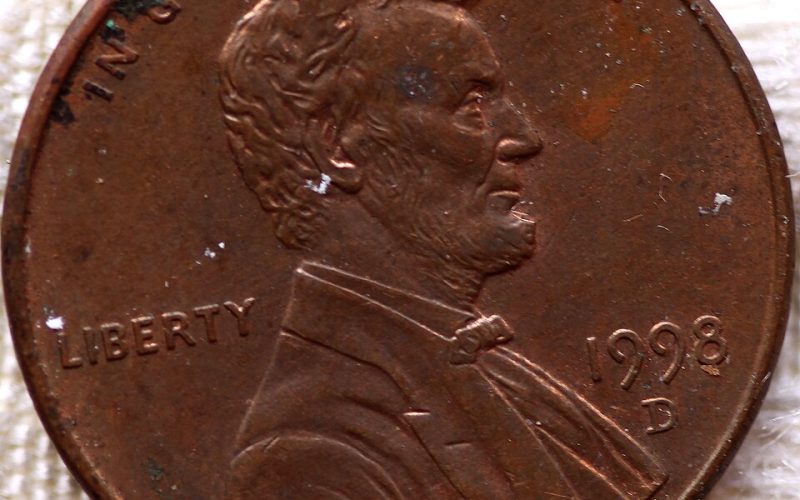 Penny
Penny
1998 Penny Coin Value (Errors List, “D”, “S” & No Mint Mark Worth)
1998 pennies are typically worth just one cent, but a rare 1998-S Close AM proof can sell for over $5,000, making it one of the…
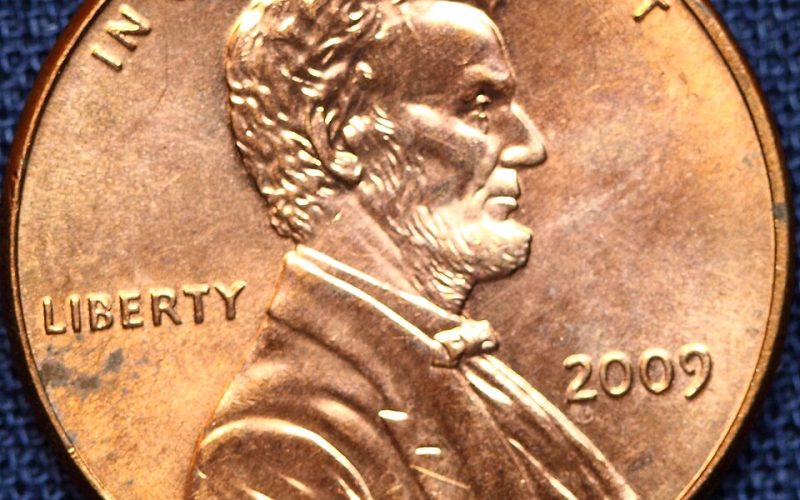 Penny
Penny
2009 Penny Coin Value (Errors List, “D”, “S” & No Mint Mark Worth)
Most 2009 Lincoln pennies are worth just $0.01 in circulation, but specific variants—high-grade uncirculated examples (MS65+) or coins with mint errors—can fetch $1 to over…
 Penny
Penny
1973 Penny Coin Value (Errors List, “D”, “S” & No Mint Mark Worth)
Discover the 1973 penny value for no mint mark, D, and S varieties. Learn which errors like Railroad Rim and DDO increase worth. Get 2026 pricing and grading tips.