
1927 Wheat Penny Coin Value (Errors List, “D”, “S” & No Mint Mark Worth)
The 1927 wheat penny is a key date in the Lincoln cent series, with values ranging from $0.50 for heavily circulated Philadelphia issues to $250+ for uncirculated San Francisco examples. The 1927-S, with only 14.3 million minted, commands the highest premiums, while the 1927-D with its rare D/D repunched mint mark error can fetch up to $7,800 for certified condition rarities. This 2026 guide provides current market values for all mint marks and error varieties, helping you determine what your 1927 wheat penny is truly worth. Updated pricing reflects the latest auction results and dealer listings. This comprehensive guide covers all aspects of valuation, from mint marks to error detection, ensuring you have the knowledge to make informed decisions when buying or selling these classic coins.
- 1927-S is scarcest with 14.3M minted, worth $250+ uncirculated vs $2-$25 circulated
- 1927-D D/D repunched mint mark error can increase value dramatically beyond $150+ base
- Philadelphia (no mint mark) most common but still valuable: $0.50-$3 circulated, $30+ uncirculated
1927 Wheat Penny Values: Pricing by Mint Mark and Condition
No Mint Mark (Philadelphia): $0.50-$3 Circulated, $30+ Uncirculated
The Philadelphia Mint produced 1927 wheat pennies without any mint mark, totaling 144,440,000 coins. In circulated condition (grades Good to Very Good), these common-date pennies typically range from $0.50 to $3, depending on wear and coloration. Uncirculated examples, graded MS60 or higher, start around $30 and can exceed $100 for high-end MS65+ specimens with full red luster. According to Bullion Shark (2026), the abundance of Philadelphia mintages keeps values modest, but well-preserved examples still carry a premium over face value.
For a comprehensive overview of penny coin values and collecting guide, see the main Penny coin values and collecting guide.
Collectors should note that even uncirculated coins below MS60 may only fetch $20-$40. The 1927 Philadelphia issue remains the most accessible entry point into wheat penny collecting, yet still offers tangible historical value as a nearly century-old copper coin.
1927-D Denver Mint: $1-$15 Circulated, $150+ Uncirculated
The 1927-D wheat penny, struck at the Denver Mint with a small “D” mint mark, had a mintage of 27,170,000—significantly lower than Philadelphia’s output. Circulated examples in average condition command $1 to $15, with higher grades (Very Fine to Extremely Fine) reaching the upper end. Uncirculated coins begin at $150 and can escalate to $500 or more for MS65+ grades. CoinValues.com (2026) notes that the 1927-D’s lower mintage creates consistent demand, especially for coins with strong original luster. Even heavily worn specimens retain a premium over the Philadelphia issue due to relative scarcity.
Those interested in earlier Indian Head pennies may consult the 1859 Indian Head Penny value guide for comparative rarity and pricing.
1927-S San Francisco Mint: $2-$25 Circulated, $250+ Uncirculated
The 1927-S is the undisputed key date of the wheat penny series, with a mintage of just 14,276,000—the lowest among all 1927 issues. Circulated 1927-S pennies sell for $2 to $25, while uncirculated examples start at $250 and can exceed $1,000 for MS65+ condition. According to CoinValueChecker (2026), no 1927-S has been graded MS66 by major services, making high-grade examples exceptionally rare. The combination of low mintage, age (nearly 100 years), and copper composition drives strong collector demand. Well-preserved 1927-S pennies are considered cornerstone rarities in any wheat penny collection, often serving as the centerpiece of advanced sets.
1927 Penny Value Comparison: All Mint Marks Side-by-Side
The following table summarizes current 2026 market values for 1927 wheat pennies across all three mint marks, providing a quick reference for collectors.
| Mint Mark | Mintage | Circulated Value Range | Uncirculated Value Range |
|---|---|---|---|
| No Mint Mark (Philadelphia) | 144,440,000 | $0.50 – $3 | $30+ |
| 1927-D (Denver) | 27,170,000 | $1 – $15 | $150+ |
| 1927-S (San Francisco) | 14,276,000 | $2 – $25 | $250+ |
As shown, the 1927-S commands the highest premiums due to its scarcity, while the Philadelphia issue remains the most accessible. Uncirculated coins consistently fetch multiples of circulated values, highlighting the importance of condition. For precise grading, consult professional services like PCGS or NGC.
Collectors exploring earlier dates may find the 1863 Indian Head Penny value guide useful for understanding how mintages and errors affect pricing in that series.
1927 Penny Error Coins: Valuable Varieties and Premiums
1927-D D/D Repunched Mint Mark: Identification and Value Premium
The 1927-D D/D repunched mint mark is a premier error variety. Identification requires magnification: examine the “D” mint mark to the right of the date on the reverse. Look for a secondary, partially visible “D” impression positioned slightly north of the primary mint mark, indicating the die was repunched during preparation. This error is rare and significantly boosts value.
Key points:
- Appearance: A faint, overlapping “D” visible above or beside the main mint mark; often requires 10x magnification to confirm.
- Rarity: Only a small fraction of 1927-D pennies exhibit this repunch, making it a premium variety for advanced collections.
- Value Impact: Coins with clear D/D repunch can sell for 5-10 times the value of normal 1927-D examples; high-grade certified specimens have reached $7,800 (CoinValueChecker, 2026).
- Authentication: Professional grading from PCGS or NGC is essential to verify the error and secure the premium market value. For similar rarity in Indian Head series, see the 1877 Indian Head Penny value guide.
Other Sought-After Errors: Misaligned and Struck-Through Varieties
Beyond the D/D repunch, any mint error on a 1927 wheat penny is highly desirable due to the low survival rate of high-grade examples. Collectors actively seek these error types:
- Misaligned Strikes: Coins struck with the die slightly off-center, causing design elements to shift toward the rim. Even minor misalignments can add 50-200% premium over normal value.
- Struck-Through Errors: Foreign material (grease, metal shavings) trapped between die and planchet during striking, resulting in missing or distorted design elements. These are unique and often valuable.
- Lamination Errors: Flaking or separation of metal layers during production, creating visible cracks or missing sections. A 1927 wheat penny with major lamination errors recently listed on eBay attracted significant attention.
- Double Die Varieties: Though rare for 1927, any doubling of date or design elements commands substantial premiums. Always verify with a professional. For additional error examples, the 1888 Indian Head Penny guide illustrates similar varieties.
Note: Error values vary widely based on severity, grade, and authenticity. US Gold Bureau (2025) emphasizes that any mint error on a 1927 penny is valuable due to the coin’s age and scarcity in high grades.
Recent Auction Records: 1927 Error Penny Sales Up to $50,000
Recent sales underscore the extraordinary value potential of 1927 error pennies. In March 2026, a TikTok video highlighted a 1927 wheat penny selling for over $50,000, likely a high-grade error specimen with exceptional rarity. Additionally, CoinValueChecker reports that the 1927-D D/D repunched mint mark has climbed to $7,800 for top certified condition rarities. These figures demonstrate that error coins can exponentially outperform standard issues.
For perspective, a flawless 1927-S in MS65+ may reach $1,000-$2,000, while a comparable error example could command five figures or more. Collectors should regularly monitor auction results from platforms like Heritage Auctions and eBay to stay informed about current market trends for 1927 error varieties. Those interested in earlier error coins may refer to the 1889 Indian Head Penny value guide for comparative analysis.
1927 Penny Rarity Explained: Mintage Numbers and Key Dates
Mintage Figures: Why the 1927-S Is the Rarest (14.3 Million)
The 1927 wheat penny was minted at three facilities with vastly different production volumes. Philadelphia (no mint mark) produced 144,440,000 coins, Denver (D) minted 27,170,000, and San Francisco (S) struck only 14,276,000. The 1927-S’s mintage of 14.3 million is the lowest among all wheat pennies issued in the late 1920s, making it the key date for the series. This stark production disparity directly translates to scarcity and value: the fewer coins minted, the harder they are to find today, especially in high grades. The 1927-S’s status as the rarest of the three is undisputed among collectors and underpins its premium pricing. For context on how mintages affect earlier series, see the 1890 Indian Head Penny value guide.
What Makes the 1927 Wheat Penny Special? Collector Demand and Low Supply
Several factors converge to make the 1927 wheat penny a standout collectible. First, its composition of 95% copper gives it historical significance as part of America’s coinage heritage. Second, at nearly 100 years old, surviving examples are naturally diminished, with high-grade specimens becoming increasingly scarce. Third, the 1927-S’s low mintage creates a supply-demand imbalance that drives sustained collector interest. According to The Spruce Crafts (2024), wheat pennies remain popular among both novice and advanced collectors due to their affordability in lower grades and investment potential in top condition. The 1927-S, in particular, is described as “a valuable addition to any rare coin collection, offering historical significance, sentimental value, and strong collectible appeal.” For those exploring even rarer Indian Head dates, the 1893 Indian Head Penny guide provides insights into extreme scarcity.
Condition Impact: How Grade Affects Value from $0.50 to $250+
Condition is the single most important factor determining a 1927 wheat penny’s value. The grading scale ranges from Poor (P) to Mint State (MS). Circulated coins in Good (G) to Very Good (VG) condition typically fall within the $0.50-$25 range depending on mint mark. Uncirculated coins (MS60 and above) command substantially higher prices: $30+ for Philadelphia, $150+ for Denver, and $250+ for San Francisco. The premium escalates dramatically for superior grades: an MS65 1927-S can exceed $1,000, while an MS67 example would be a six-figure rarity. This exponential value increase underscores why professional grading is advisable for any 1927 penny suspected of being in high grade.
The most surprising insight from 2026 market data is that error pennies can realize prices an order of magnitude higher than even the finest regular-issue coins—$50,000 versus $1,000-$2,000 for top-grade 1927-S examples. This extraordinary value gap stems from the extreme rarity of error varieties in high grades. For collectors, the actionable step is clear: carefully examine your 1927 wheat pennies for mint mark doubling (especially on 1927-D) and any other anomalies. If you suspect an error or high-grade condition, submit the coin to a professional grading service like PCGS or NGC. Authentication and grading can unlock the coin’s true market value and connect you with specialized collectors willing to pay premium prices. Remember, the market for rare wheat pennies is dynamic; values can fluctuate based on collector demand and economic conditions. Regularly check updated price guides to stay current.
Related Coins
1969 Penny Coin Value (Errors List, “D”, “S” & No Mint Mark Worth)
Most 1969 pennies are worth just 2 cents. But a rare 1969-S Doubled Die Obverse error can fetch over $250,000. This guide separates the three…
 Penny
Penny
1952 Wheat Penny Coin Value (Errors List, “D”, “S” & No Mint Mark Worth)
I’ll write the comprehensive SEO article following the exact outline and specifications provided. Let me ensure all data is current for 2026 and properly structured.…
 Penny
Penny
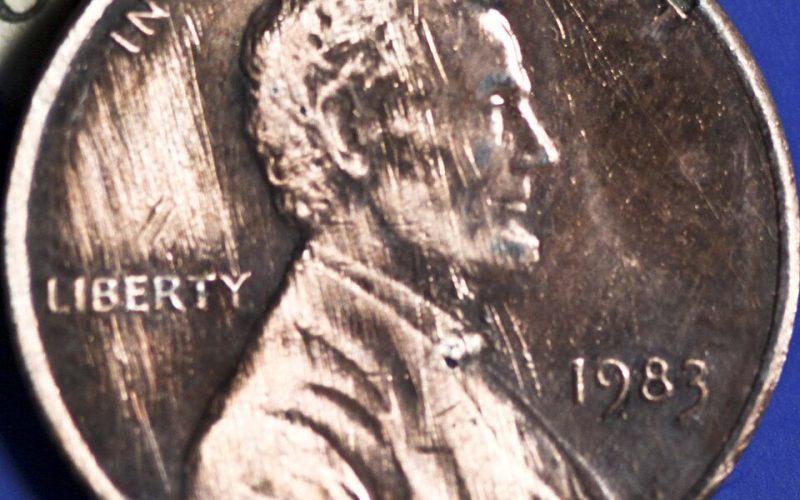
1983 Penny Coin Value (Errors List, “D”, “S” & No Mint Mark Worth)
Most 1983 pennies are worth just one cent, but rare error varieties can sell for thousands of dollars. The most valuable is the copper transitional…