
1928 Wheat Penny Coin Value (Errors List, “D”, “S” & No Mint Mark Worth)
In 2026, a 1928 wheat penny typically ranges from $0.50 to over $100 depending on mint mark and condition, with circulated coins fetching $0.50–$15 and uncirculated examples reaching $5–$100+. The specific mint mark—no mint mark (Philadelphia), D (Denver), or S (San Francisco)—and the coin’s condition are the primary value drivers. While error varieties exist, they generally add only modest premiums for this year. The 1928-S is the rarest of the three, with a mintage of 17.3 million, and can command 2–3 times the value of a Philadelphia coin in the same high grade. For comprehensive penny values across all years, visit our Penny guide.
- Circulated 1928 pennies range from $0.50 to $15, but uncirculated examples reach $5 to over $100 depending on mint mark and grade.
- The 1928-S is the rarest mint mark due to its 17.2 million mintage, commanding premiums even in lower grades.
- Errors like repunched mint marks (RPM) can add value, but no 1928-specific error currently sells for thousands.
1928 Wheat Penny Values by Mint Mark and Condition (2026 Pricing)
Circulated vs Uncirculated: Price Ranges for Each Mint Mark
The current 2026 market values for 1928 wheat pennies vary significantly by mint mark and condition: circulated coins typically range from $0.50 to $15, while uncirculated examples can reach $5 to over $100. The table below summarizes the price ranges for each mint mark.
| Mint Mark | Circulated (Good-Very Good) | Uncirculated (MS-60 to MS-65+) |
|---|---|---|
| No Mint Mark (Philadelphia) | $0.50–$3 | $5–$30+ |
| 1928-D (Denver) | $1–$15 | $10–$100+ |
| 1928-S (San Francisco) | $1–$2 | $10–$100+ |
Uncirculated coins command significantly higher prices because they retain their original mint luster and show no wear. Even a small amount of circulation wear can reduce value by 80% or more. Within uncirculated grades, the mint state (MS) scale from 60 to 70 determines premium: MS-60 is the lowest uncirculated with noticeable flaws, while MS-65 is considered gem-quality with excellent luster and minimal contact marks. For 1928 wheat pennies, prices rise sharply at MS-63 and above, with MS-65+ examples often exceeding $100, especially for the 1928-S. Color also plays a crucial role: red (RD) uncirculated coins can be worth 2–3 times more than brown (BN) examples in the same grade, as original red luster is rare for a coin this age. For collectors interested in other penny series, our guide to the 1859 Indian Head Penny provides detailed value analysis.
Mintage Figures and Scarcity: Why 1928-S Is the Key Date
The 1928 wheat penny was minted at three facilities with vastly different production numbers. Philadelphia (no mint mark) struck 134,116,000 coins, Denver (D) produced 31,170,000, and San Francisco (S) minted 17,266,000. The 1928-S’s lower mintage makes it the rarest of the three, but scarcity alone doesn’t tell the whole story. In circulated condition, survival rates matter more than original mintage; many Philadelphia pennies survived because so many were struck. However, in uncirculated condition, the 1928-S becomes a semi-key date due to its limited supply in high grades. Collectors seek it aggressively, and even lower uncirculated grades (MS-60 to MS-62) often sell at a premium over Philadelphia equivalents. Compared to the even scarcer 1927-S (mintage 4.8 million), the 1928-S is more accessible but still highly valued. The concept of mintage versus survival is key: despite having 17.3 million struck, far fewer 1928-S pennies remain in pristine condition today, making them a target for serious collectors. For context, the 1863 Indian Head Penny also exhibits scarcity-driven value, illustrating how mintageshape rarity.
What Drives Value in 1928 Wheat Pennies? Mint Mark and Condition
The three mint marks exhibit distinct value patterns. Philadelphia (no mint mark) is the most common, with circulated examples typically worth $0.50–$3 and uncirculated coins ranging from $5 to $30+. Denver (D) offers moderate scarcity; circulated 1928-D pennies fetch $1–$15, while uncirculated reach $10–$100+. San Francisco (S) is the rarest; circulated 1928-S coins sell for $1–$2, but uncirculated examples command $10–$100+, with top grades exceeding $100. For circulated coins, the spread between mint marks is narrow—often just $1–$2—because wear obscures subtle rarity differences. However, in uncirculated condition, the 1928-S can be 2–3 times more valuable than a Philadelphia coin of the same grade. For instance, a Good-grade 1928 penny might be worth $0.50 (Philadelphia), $1 (Denver), or $1.50 (San Francisco). But in MS-65 condition, values jump to approximately $30 for Philadelphia, $50 for Denver, and $100 for San Francisco. Condition is paramount: a coin graded MS-65 can be worth 20–30 times more than the same coin in Good condition, regardless of mint mark. This condition premium is a universal principle in coin collecting, as seen with the 1877 Indian Head Penny, where high grades dramatically increase value.
Error Varieties That Increase 1928 Wheat Penny Value
Common Error Types in 1928 Wheat Pennies: RPM, DDO, Die Breaks
While 1928 wheat pennies are not known for high-value errors like some other dates, collectors still seek the following varieties:
- Repunched Mint Mark (RPM): The mint mark (D or S) appears doubled or blurred under magnification due to the mint mark being punched multiple times.
- Double Die Obverse (DDO): Design elements, especially letters and numbers, show noticeable doubling from a misaligned die during hubbing.
- Die Breaks/Cuds: Raised metal on the coin surface caused by a crack or break in the die; appears as a raised ridge or missing design element.
- Off-Center Strikes: The coin design is shifted from the center, resulting in an off-center appearance and possibly missing rim on one side.
These errors occur occasionally on 1928 pennies, but none are currently known to sell for thousands of dollars. Most error 1928 pennies add a modest premium of $10–$50 over normal value, depending on the severity and the coin’s condition. Off-center errors are generally more valuable when they occur on branch mint coins (D or S) because the combination of error and lower mintage increases scarcity.
How to Identify 1928 Error Coins: Key Identification Tips
Identifying errors requires careful examination, often with magnification. For RPM, inspect the mint mark under 10x magnification: a repunched mark shows a doubled or shadowy appearance, with two distinct punches overlapping. For DDO, compare the letters and date to a normal coin; doubling is most noticeable on the date, Liberty’s head, or wheat ears. Look for split serifs or doubled edges on characters. Die breaks appear as raised lines or missing metal; check the rim and field for any raised areas that shouldn’t be there. Off-center strikes are visible to the naked eye: the design will be noticeably off-center, with one side having a wider or narrower rim. Errors on Denver and San Francisco mint marks (D or S) are typically more valuable than Philadelphia errors because the branch mint coins already have lower survival rates, making the error variety even scarcer. To start, use a 10x loupe and compare your coin to high-resolution images of normal 1928 pennies. Consult error guides like “The Cherrypickers’ Guide” or online databases for reference. If you suspect an error, consider having the coin authenticated by a professional grading service, as certified errors command higher prices. For those exploring other error-prone series, the 1888 Indian Head Penny also exhibits interesting varieties worth investigating.
Error Premiums: Realistic Expectations for 1928
It’s important to have realistic expectations for 1928 error coins. While errors can add a premium, 1928 is not a key date for high-value varieties. Most error 1928 pennies sell for $10–$50 above the normal value for their condition and mint mark. For example, a 1928-D with a moderate RPM might be worth $20–$30 in circulated condition, versus $1–$15 for a normal example. In contrast, errors on other dates can reach thousands; a 1922 wheat penny missing the D mint mark sold for $1,600 in a recent TikTok video, but that’s an exceptional case for a different year. For 1928, condition still trumps error: a high-grade uncirculated 1928-S in red luster will be worth far more than a circulated error coin of any mint mark. Therefore, if you have a 1928 penny, focus first on determining its mint mark and condition; errors are a secondary consideration that may provide a modest boost but are unlikely to transform a common coin into a rarity. Collectors of Indian Head pennies also find errors appealing; see our 1889 Indian Head Penny guide for comparable insights.
How Grading and Color (Red vs Brown) Affect 1928 Penny Worth
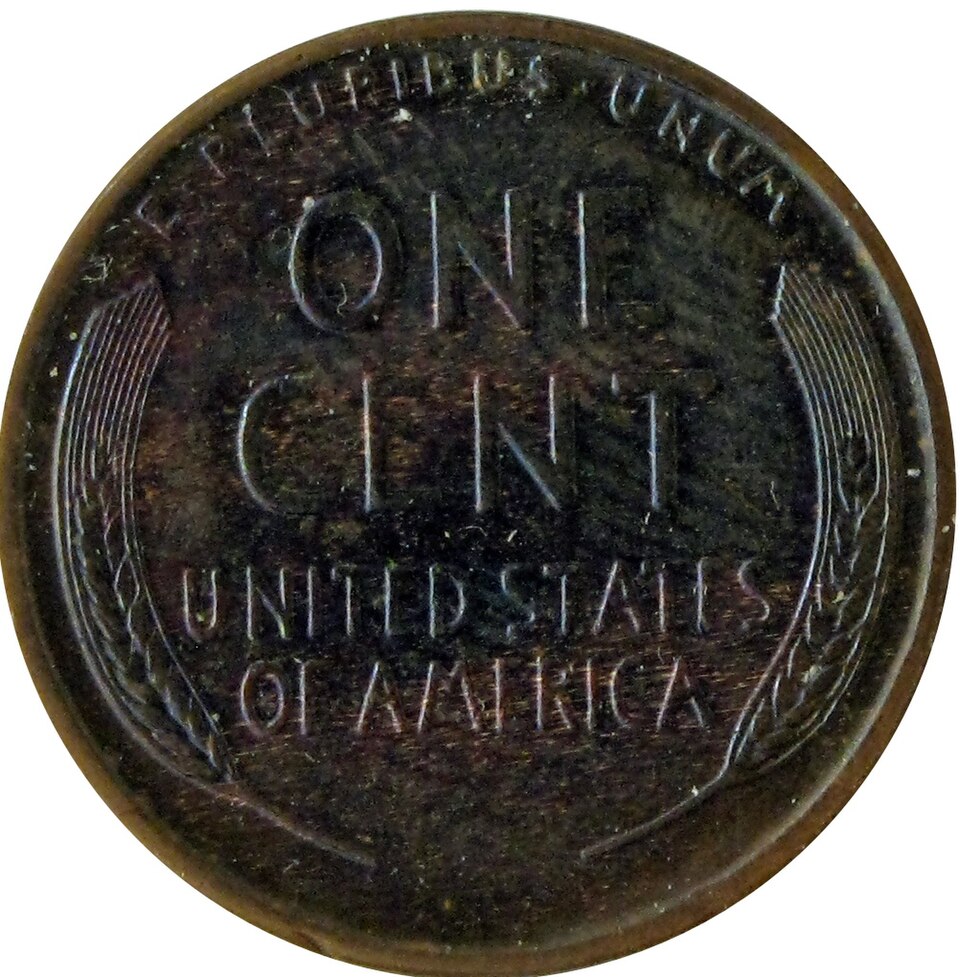
Red vs Brown 1928 Pennies: Color Classifications and Value Differences
Copper pennies like the 1928 wheat penny are classified by their color, which reflects the coin’s original state and toning:
- RD (Red): The coin retains its original mint red luster with no significant brown toning. This is the most valuable color designation, as it indicates the coin has been well-preserved away from corrosive elements.
- RB (Red-Brown): The coin shows a mix of red and brown, typically with red on the high points and brown in recesses. This is a mid-value category.
- BN (Brown): The coin is fully toned brown, indicating significant oxidation over time. Brown is the most common state for 1928 pennies and commands the lowest premiums.
The value difference can be substantial: an RD coin in a given grade can be worth 2–3 times as much as a BN example of the same grade. For instance, a 1928-S in MS-63 might be valued at $50 if brown but $150 if red. Color depends on storage conditions; coins kept in airtight holders maintain red luster, while exposure to air and moisture causes brown toning. For a 1928 penny, full red is relatively rare due to its age, making RD specimens highly prized by collectors. The same color principles apply to other copper coins, such as the 1890 Indian Head Penny, where red examples fetch significant premiums.
Grading Standards: Why MS-65+ Commands Over $100
Coin grading assesses a coin’s condition on a scale from Poor (P-1) to Perfect Mint State (MS-70). For uncirculated wheat pennies, the mint state (MS) scale is used, where MS-60 indicates uncirculated but with numerous contact marks, and MS-70 is flawless. For 1928 wheat pennies, MS-63 is relatively common for coins that have been stored carefully, but MS-65 (gem-quality) is scarce because most coins have suffered some handling or minor flaws over nearly a century. At the MS-65 level, prices for 1928-S typically exceed $100, and MS-67 can reach $500 or more, depending on color and eye appeal. To illustrate the potential, a 1926 wheat penny in “Midstate 67” has been reported to sell for over $100,000, though that is an exceptional key date; for 1928, values are lower but still significant. Professional grading by PCGS or NGC is essential for coins that appear to be MS-65 or better, as these services provide authentication and encapsulation that maximizes market value and liquidity. A certified MS-65 1928-S can easily fetch $150–$200 at auction, while an uncertified coin might struggle to reach $100. The jump from MS-63 to MS-65 is often the most dramatic in terms of price appreciation. For example, a 1928-D in MS-63 might be valued at $30–$40, but in MS-65 it could be $80–$100. This is because the number of coins that survive in gem condition decreases sharply each year. Collectors building high-grade sets are willing to pay a premium for the few available examples, especially with strong luster and eye appeal. For those interested in other high-grade copper coins, the 1893 Indian Head Penny also shows how grading impacts value.
Practical Grading Guide: Assessing Your 1928 Penny’s Condition
While only professional graders can assign an official grade, you can make a reasonable self-assessment by examining key areas:
- High points wear: Check Lincoln’s cheekbone, the top of his head, and the wheat stalks for any flattening or loss of detail. Any wear on these high points indicates circulated condition.
- Luster: Uncirculated coins retain a bright, minty shine. Tilt the coin under light; if you see a dull, chalky appearance, it’s likely circulated or poorly stored.
- Contact marks: Look for small scratches or bag marks on the surface. Heavy contact marks lower the grade, especially in mint state.
- Eye appeal: Overall attractiveness, including strike quality and toning, influences value. A coin with full, even color and sharp details is more desirable.
Use online grading guides from PCGS or NGC to compare your coin to graded examples. For a rough estimate: if there is no wear and strong luster, it may be MS-63 or better; if wear is present but details are still sharp, it might be Very Fine (VF-20 to VF-35). However, self-grading is approximate. If your coin appears to be in high uncirculated condition (MS-65+), consider submitting it to PCGS or NGC for professional certification. The grading fee can be worthwhile, as a certified high-grade coin often sells for 2–3 times the value of an uncertified one.
Despite being a common date in lower grades, the 1928-S wheat penny can rival key dates in value when found in top mint state condition. Its relatively low mintage of 17.3 million means that high-grade examples are scarce, and collectors actively seek them for advanced sets. This creates a surprising opportunity: a coin that might be worth $1 in circulated condition can fetch over $100 if it remains in pristine MS-65 state.
If you have a 1928 penny, start by identifying the mint mark (no mark, D, or S). Then assess its condition: check for wear, luster, and color. For any coin that appears uncirculated with strong red color, consider professional grading by PCGS or NGC. A certified high-grade 1928-S can be a valuable addition to a collection, while even a common Philadelphia issue in MS-65 red may exceed $30. Remember that errors, while interesting, usually add only a modest premium for this year—focus on condition first.
Frequently Asked Questions About 1928 Wheat Penny
What makes a 1928 wheat penny valuable?
1928 wheat penny values range from $0.50 to $100+ based on mint mark and condition: Philadelphia circulated $0.50–$3, uncirculated $5–$30+; Denver circulated $1–$15, uncirculated $10–$100+; San Francisco circulated $1–$2, uncirculated $10–$100+. Errors and color (red vs brown) also increase value.
How many 1928 pennies were made?
134,116,000 Philadelphia (no mint mark), 31,170,000 Denver (D), and 17,266,000 San Francisco (S) were minted in 1928.
What makes a 1928 wheat penny valuable?
1928 wheat penny values range from $0.50 to $100+ based on mint mark and condition: Philadelphia circulated $0.50–$3, uncirculated $5–$30+; Denver circulated $1–$15, uncirculated $10–$100+; San Francisco circulated $1–$2, uncirculated $10–$100+. Errors and color (red vs brown) also increase value.
How many 1928 pennies were made?
134,116,000 Philadelphia (no mint mark), 31,170,000 Denver (D), and 17,266,000 San Francisco (S) were minted in 1928.
Related Coins
 Penny
Penny
1992 Penny Coin Value (Errors List, D, S & No Mint Mark Worth)
Discover the true 1992 penny value for 2026. Learn which D, S, and no mint mark errors are worth up to $25,850. Get the complete errors list and identification guide.
 Penny
Penny
1923 Penny Coin Value (Errors List, “S” & No Mint Mark Worth)
In 2026, a 1923 wheat penny‘s value spans from $0.50 for well-worn circulated examples to over $6,000 for flawless high-grade coins, with San Francisco ‘S’…
 Penny
Penny
2009 Penny Log Cabin Coin Value (Errors List, “D” & No Mint Mark)
Get the 2026 value of 2009 Log Cabin pennies. See price charts for no mint mark and D mint, learn which errors like die gouges increase worth. Full guide.