
1936 Wheat Penny Value: Complete Guide to Mint Marks, Errors & Worth in 2026
In 2026, a 1936 Wheat Penny in circulated condition typically fetches $0.10 to $5, while uncirculated examples range from $10 to over $250 depending on mint mark and grade. The most valuable variety is the 1936 Doubled Die Obverse error, which can command thousands even in lower grades. Values vary primarily due to three factors: the mint mark (Philadelphia no mint mark, Denver ‘D’, or San Francisco ‘S’), the presence of rare errors like Doubled Die, and the coin’s condition grade. This guide breaks down current prices, explains how to identify valuable features, and provides actionable tips for maximizing your coin’s worth.
- 1936 Wheat Pennies in circulated condition are worth $0.10-$5, while uncirculated examples range from $10 to over $250 depending on mint mark and grade.
- The 1936 Doubled Die Obverse is the most valuable error, showing strong doubling on the date and lettering, and commands premiums even in lower grades.
- Condition is critical: ‘Red’ uncirculated coins and high mint state grades (MS-65+) can increase value by 10x to 100x or more.
1936 Wheat Penny Values: Mint Mark Breakdown for 2026
The 1936 Wheat Penny was minted at three locations: Philadelphia (no mint mark), Denver (D), and San Francisco (S). Mint mark significantly impacts value, with San Francisco issues generally commanding the highest prices, followed by Denver, then Philadelphia. Condition further amplifies these differences. Below is a clear comparison of current market ranges for each mint mark in both circulated and uncirculated conditions.
Circulated vs Uncirculated: Price Ranges by Mint Mark
| Mint Mark | Circulated Condition Value | Uncirculated Condition Value |
|---|---|---|
| No Mint Mark (Philadelphia) | $0.10 – $1 | $10+ |
| 1936-D (Denver) | $0.20 – $3 | $25+ |
| 1936-S (San Francisco) | $0.30 – $5 | $40+ |
The 1936-S consistently leads in value across both conditions. The Denver mint mark (D) falls in the middle, while the Philadelphia issue (no mint mark) is the most common and least valuable. These ranges represent average examples; exceptional coins with high grades or rare errors can far exceed these amounts. To identify the mint mark, examine the area directly below the date on the obverse: no letter indicates Philadelphia, ‘D’ means Denver, and ‘S’ signifies San Francisco.
Auction Records: Highest Prices Paid for 1936 Pennies
Auction records reveal the extraordinary value of pristine 1936 pennies. The highest price ever paid for a regular-issue 1936-D is $15,600 for a coin graded MS68RD by PCGS. Similarly, a 1936-S graded MS67+RD sold for $7,800. These records demonstrate that perfect condition can increase a coin’s value by hundreds or even thousands of times over its circulated worth. The ‘RD’ designation stands for ‘Red,’ indicating the coin retains its original copper luster without toning, which is highly prized by collectors. Such high-grade examples are extremely rare, as most 1936 pennies show wear from circulation or have toned over time.
Why is the 1936 Doubled Die Obverse the Most Valuable Penny Error?
The 1936 Doubled Die Obverse (DDO) is the single most valuable error variety for Wheat Pennies. It occurs when the die used to strike the coin is misaligned during the hubbing process, creating a doubled image on the obverse. This error is highly visible and aggressively sought by collectors, driving prices to multiples of regular issues even in low grades.
How to Identify Doubled Die Obverse on Your 1936 Penny
Identifying a Doubled Die Obverse requires careful examination. Look for strong doubling on three key areas: the date, the word LIBERTY, and the phrase IN GOD WE TRUST. The numbers 1, 9, and 6 in the date typically exhibit the most pronounced doubling, appearing thick or shadowed. The doubling is not subtle; it creates a clear, offset secondary image that makes each element look like it has a twin. Use 10x magnification to confirm the doubling is from a die error, not just wear or weak strike. Every number of the date is in fact doubled, but the 1, 9, and 6 are typically the strongest. This variety is distinct from other errors like off-center strikes or broadstrike, which affect the coin’s shape rather than its design details.
Value Impact: Doubled Die Premiums Over Regular 1936 Pennies
The Doubled Die Obverse commands astronomical premiums over regular 1936 Wheat Pennies. Even in heavily worn condition, a DDO can be worth 50 to 100 times more than a standard penny. The value increases dramatically with condition:
- Good (G-4 to G-6) condition DDO: $50 – $100 vs. $0.10 – $1 for regular 1936.
- Very Fine (VF-20 to VF-35) condition DDO: $200 – $500.
- Extremely Fine (EF-40 to EF-45) condition DDO: $500 – $1,500.
- Mint State (MS-60 and above) DDO: $1,000 to $5,000+, with higher grades reaching tens of thousands.
- Even heavily worn DDO examples can be worth $25-$50, far exceeding the value of a similarly worn regular penny.
This multiplier effect makes the DDO the most profitable variety to find. The error is scarce, but enough examples exist in circulation that diligent checking of 1936 pennies can yield significant rewards. Collectors prize this variety for its dramatic visual impact and historical significance as a minting mistake.
How Condition Grades Affect 1936 Penny Prices
Condition is the second most critical factor after mint mark and errors. For copper pennies like the 1936 Wheat Penny, grading depends heavily on wear, luster, and color. The difference between a Good and Mint State coin can mean a price jump from under $1 to over $100.
The Red Uncirculated Premium: Why Color Matters
Original mint luster and color are paramount for uncirculated 1936 pennies. ‘Red’ uncirculated coins retain their bright copper color without toning or wear. ‘Red-brown’ shows some brown toning but still has red areas, while ‘brown’ coins are fully toned and less desirable. A 1936-S in MS-67RD (Red) can be worth 10 times more than the same coin graded MS-67BN (Brown). The ‘RD’ designation is a major premium driver because it signifies the coin is in its original mint state. Collectors seek out red coins aggressively, so even a small amount of toning can reduce value. For circulated coins, color matters less; the focus is on how much wear remains on the design details.
Grading Tiers and Their Price Multipliers
Condition grades follow a standard scale from Good (heavily worn) to Mint State (uncirculated). Prices increase exponentially as condition improves. The following table outlines typical value ranges for a 1936-S penny as an example; other mint marks follow similar patterns but at lower base prices.
| Condition Grade | Description | Value Range (1936-S example) |
|---|---|---|
| Good (G) | Moderate wear, major details clear | $0.30 – $0.50 |
| Very Good (VG) | More wear, minor details fading | $0.50 – $1 |
| Fine (F) | Moderate wear on high points | $1 – $2 |
| Very Fine (VF) | Light wear, most details sharp | $2 – $5 |
| Extremely Fine (EF) | Very light wear, almost uncirculated | $5 – $15 |
| About Uncirculated (AU) | Minimal wear, nearly mint state | $15 – $40 |
| Mint State (MS-60 to MS-63) | No wear, may have contact marks | $40 – $150 |
| Mint State (MS-64 to MS-67) | High quality, increasing luster | $150 – $1,000+ |
| Mint State (MS-68+) | Perfect or near-perfect | $1,000 – $15,000+ (auction records) |
The jump from About Uncirculated to Mint State often doubles or triples the value. Moving from MS-65 to MS-67 can multiply the price by 5 to 10 times. The auction records of $15,600 for a 1936-D MS68RD and $7,800 for a 1936-S MS67+RD illustrate the top end of the market. For most collectors, achieving MS-63 or MS-64 already yields a significant premium over lower grades. Condition grading is subjective; professional services like PCGS or NGC provide certified grades that maximize marketability and value.
The most surprising insight is that the 1936 Doubled Die Obverse error can be worth thousands even in moderately worn condition, while a regular 1936 penny in similar condition is worth less than a dollar. This creates a massive opportunity for collectors who know what to look for. Your actionable step: examine any 1936 Wheat Penny under 10x magnification for doubled lettering on the date, LIBERTY, and IN GOD WE TRUST. If you suspect a DDO, have it authenticated by a professional grading service like PCGS or NGC to maximize its value. For a comprehensive overview of penny values across all years, visit the main Penny resource. Other Indian Head Penny years, such as the 1859, 1863, and 1877, also exhibit significant value variations based on mint mark and errors.
Related Coins
1889 Indian Head Penny Coin Value (Errors List & No Mint Mark Worth)
Complete 2026 value guide for 1889 Indian Head pennies. No mint mark, error varieties, condition pricing, and what makes them worth money. Updated market data.
 Penny
Penny
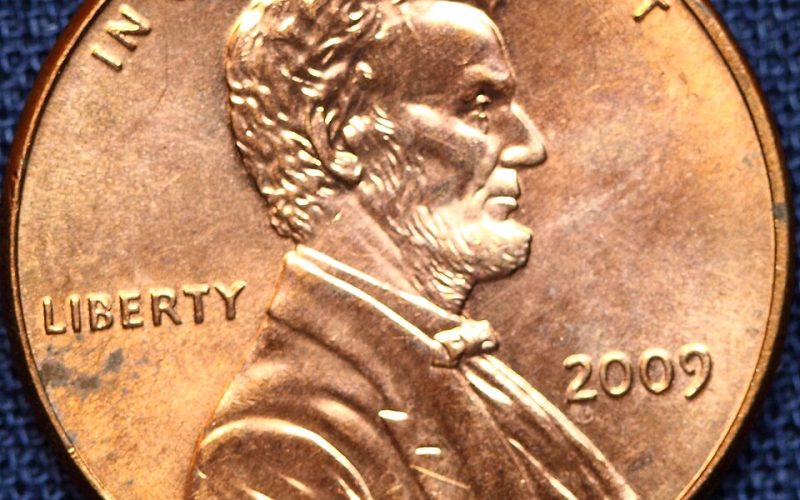
2009 Penny Coin Value (Errors List, “D”, “S” & No Mint Mark Worth)
Most 2009 Lincoln pennies are worth just $0.01 in circulation, but specific variants—high-grade uncirculated examples (MS65+) or coins with mint errors—can fetch $1 to over…
1920 Wheat Penny Coin Value (Errors List, “D”, “S” & No Mint Mark Worth)
A 1920 Wheat Penny is worth $0.50 to $2 in circulated condition, but high-grade examples can sell for $1,000 to $15,000+ depending on mint mark…