
1906 Indian Head Penny Coin Value (Errors List & No Mint Mark Worth)
In 2026, a 1906 Indian Head Penny ranges from $2 for heavily circulated examples to $26,200 for top-grade uncirculated specimens, with rare errors like the double strike flip-over commanding around $600. With a mintage of nearly 100 million, these coins are common in low grades, but value is driven by condition and mint errors. All 1906 pennies were minted in Philadelphia with no mint mark. The average circulated coin is worth $3.62. For a comprehensive guide to Indian Head penny values, see our Penny value guide.
- Average circulated 1906 Indian Head Penny is worth $3.62 in 2026.
- Uncirculated Mint State (MS+) coins range from $50 to over $26,200.
- The double strike flip-over error adds a premium of approximately $600.
- The no mint mark is standard for all 1906 issues and does not affect value.
How Much Is a 1906 Indian Head Penny Worth in 2026?
The value of a 1906 Indian Head Penny varies widely based on its condition, ranging from a few dollars to thousands. In 2026, market prices reflect the coin’s preservation, strike quality, and color. Other years in the Indian Head series, such as the rare 1877 Indian Head Penny value, can command premiums far beyond those of common dates. The high mintage of nearly 100 million means that low-grade examples are abundant, but scarcity increases dramatically at higher grades.
1906 Indian Head Penny Prices by Condition Grade
The following table consolidates 2026 value ranges for key condition grades, using data from leading price guides and auction records.
| Condition Grade | 2026 Value Range |
|---|---|
| Good (G-4) | $1.60 – $5.26 |
| Very Good (VG-8) | $2 – $54 (typical circulated range) |
| Fine (F-12) | $18.01 |
| Very Fine (VF-20) | $3.40 |
| Extremely Fine (EF-40) | $2 – $54 (typical circulated range) |
| About Uncirculated (AU-50) | $2 – $54 (typical circulated range) |
| Mint State (MS-60) | $38 |
| Mint State (MS-63) | $200 |
| Mint State (MS-65) | $1,000+ |
| Mint State (MS-67) | $26,200+ |
The table reveals a dramatic value jump between circulated and uncirculated grades. While heavily worn coins in Good condition fetch $1.60 to $5.26, and Fine condition can reach $18.01, the Very Fine value of $3.40 appears anomalously low. This fluctuation often stems from color and strike quality; a Very Fine coin with brown (BN) toning or weak strike may be valued lower than a Fine coin with attractive red-brown (RB) color. The typical circulated range of $2 to $54 encompasses most coins that have seen moderate wear but retain no major defects.
Two primary factors drive these price differences: color and strike quality. Indian Head pennies are evaluated by color retention: BN (brown) is the most common, RB (red and brown) commands a moderate premium, and RD (full red) can double or triple the value at similar grades. For example, a 1906 penny in Fine condition with full red might exceed $30, while a brown example may linger near $18. Strike quality determines how sharply the design details—especially Liberty’s headdress feathers and the date—are rendered. Weak strikes result in lower grades and lower prices, even if wear is minimal.
Uncirculated Mint State Values: From $50 to $26,200
For uncirculated 1906 Indian Head Pennies, values span from around $38 for a basic MS-60 to over $26,200 for a pristine MS-67. The high mintage of nearly 100 million means that low-grade uncirculated coins are relatively available, but gem-quality MS-67 specimens are exceedingly rare due to heavy circulation and poor storage practices of the early 20th century. Most coins from this year were released into commerce and suffered wear, making survival in perfect condition uncommon.
Key milestones in the Mint State spectrum include:
- MS-60: $38 – Minimal wear, but may have contact marks or weak strike.
- MS-63: $200 – Good luster and strike, minor imperfections.
- MS-65: $1,000+ – Excellent eye appeal, strong luster, and sharp details.
- MS-67: $26,200+ – Gem quality, flawless surfaces, and superior strike; extremely scarce.
The value escalation is steep because each higher grade represents a smaller surviving population. Collectors seek coins with original mint luster and vibrant color. Red (RD) coins at MS-65 and above can exceed the listed ranges. For instance, a 1906 Indian Head Penny in MS-65 with full red color might sell for $2,000 or more at auction. Authentication and grading by PCGS or NGC are essential for unlocking these premium values, as the market relies on trusted third-party certification. Other years with valuable uncirculated specimens, such as the 1890 Indian Head Penny value or 1893, also require authentication for premium realization.
1906 Indian Head Penny Error Varieties: Valuable Examples
While most 1906 Indian Head Pennies are common in circulated condition, certain mint errors can dramatically increase their value. The most notable and frequently documented error for this date is the double strike flip-over. Other dates, like the 1859 Indian Head Penny value, have their own error varieties that can add premium value.
Double Strike Flip-Over Error: $600 Premium
This error occurs when the coin is struck once, then flips over in the press before a second strike, resulting in overlapping designs on both sides. The second strike is usually off-center, creating a dramatic doubled appearance. A normal circulated 1906 Indian Head Penny is worth $2 to $54, but a certified double strike flip-over error can command around $600, representing a premium of over 1000% in some cases.
This error is rare because it requires a specific malfunction in the coining press. For 1906, it is the most commonly cited valuable error in 2026 market data. Collectors prize such errors for their uniqueness and the insight they provide into the minting process. Due to the high value, authentication by major grading services like PCGS or NGC is mandatory. The coin must be encapsulated with a clear error designation to achieve the premium. Without certification, the error may not be recognized or valued appropriately. Recent auction records and price guides consistently list the double strike flip-over as the primary error variety for 1906, with sales averaging $600 for mid-grade examples.
Other Potential Error Types for 1906 Indian Head Pennies
Other error types that can appear on Indian Head pennies include:
- Off-center strikes: The design is not centered on the planchet, with part of the design missing. Can add 50-200% premium depending on severity.
- Double die obverse: The die is doubled, causing shadowing on letters and devices. Rare on 1906 but possible; premiums vary widely.
- Planchet errors: Incorrect planchet size or composition, such as a penny struck on a dime planchet. Extremely rare and highly valuable.
- Die cracks or cuds: Broken die pieces cause raised metal areas. Minor premiums unless dramatic.
While these errors are less commonly reported for the 1906 date specifically, they can occur on any coin. Professional evaluation is essential to identify and authenticate any suspected error, as subtle varieties may be overlooked by casual collectors.
No Mint Mark on 1906 Indian Head Pennies: What Collectors Need to Know
The absence of a mint mark on a 1906 Indian Head Penny is completely normal and expected. Understanding this fact prevents misconceptions about rarity. Unlike the 1908-S or 1909-S which bear mint marks, the 1906 has none. For other Philadelphia-minted years like the 1888 Indian Head Penny value or 1889, the no mint mark is also standard.
Why All 1906 Indian Head Pennies Have No Mint Mark
The Philadelphia Mint, which produced all 1906 Indian Head Cents, did not use mint marks on cents until 1980. Therefore, every 1906 penny lacks a mint mark by design. This year had a massive mintage of nearly 100 million coins, one of the highest in the Indian Head series, making them abundant in lower grades.
Does No Mint Mark Affect the Value of 1906 Pennies?
In contrast, other Indian Head Penny dates like the 1908-S or 1909-S have mint marks (S for San Francisco) that create scarcity and higher premiums. Since every 1906 penny is identical in having no mint mark, this feature does not contribute to scarcity or value. The value is driven 100% by condition, color, strike, and any mint errors. A no-mint-mark 1906 is not inherently more or less valuable than a hypothetical minted-elsewhere version would be. This no-mint-mark characteristic applies to many other Philadelphia Indian Head pennies, such as the 1893 Indian Head Penny value.
With nearly 100 million minted, the 1906 Indian Head Penny is one of the most common Indian Head dates, yet a single production error like the double strike flip-over can make it worth 100 times more than an average example. This highlights how mint errors can drastically alter a coin’s value regardless of mintage. Action step: Examine your 1906 penny under magnification for any doubling, especially on the date or devices. Look for overlapping designs or off-center elements. If you suspect an error or believe your coin is in exceptionally good condition, submit it to PCGS or NGC for professional grading and authentication to unlock its full 2026 market value. For more information on Indian Head penny values across all dates, refer to our comprehensive Penny value guide.
Frequently Asked Questions About 1906 Indian Head Penny
What are the most valuable Indian head pennies?
The most valuable Indian Head Penny is the one that has a date of 1877. Nevertheless, they're all valuable in their own right and any collector would be lucky to have one.
What wheat penny is worth $100,000?
1943 Wheat Penny: During World War II, copper was diverted for military use, leading to steel cents coated in zinc. A few accidental copper pennies were minted in 1943, making them some of the most valuable coins, worth up to $100,000 or more at auction.
How do I identify a genuine 1906 penny?
Design Details: Look for sharp, well-defined features, especially in the feathers of Liberty's headdress.
Size and Weight: The real 1906 penny weighs 3.11 grams and measures 19.05 mm in diameter.
Mint Mark: Since it was minted in Philadelphia, it has no mint mark.
How many 1906 Indian head pennies were minted?
The US Mint broke another mintage record this year. Almost one hundred million Indian Head cents were issued in the year 1906.
Which penny is worth a lot of money today?
1943-D Lincoln Bronze Wheat Penny — $2.3 million Brenner, this is one of the highest-value pennies in circulation today,” the list reads. “During World War II, pennies were made of steel to save copper for the war effort.
Related Coins
 Penny
Penny
1929 Wheat Penny Coin Value (Errors List, “D”, “S” & No Mint Mark Worth)
1929 Wheat Penny values range from $0.25 to $5,000+ in 2026. Compare Philadelphia, Denver (D), San Francisco (S) mint marks. Error varieties like RPM, off-center, cuds add premiums.
 Penny
Penny
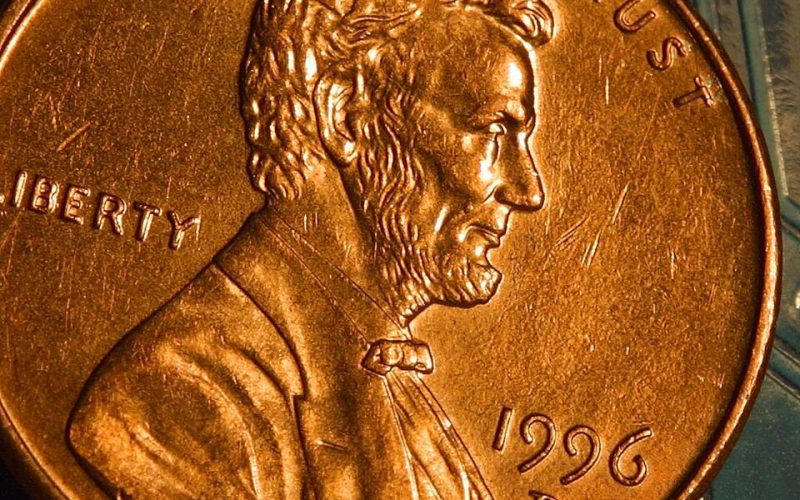
1996 Penny Coin Value (Errors List, “D”, “S” & No Mint Mark Worth)
Most 1996 pennies are worth just one cent in circulation, but specific mint marks and error varieties can increase their value significantly. The 1996-D from…
1950 Wheat Penny Coin Value (Errors List, “D”, “S” & No Mint Mark Worth)
A 1950 Wheat Penny is typically worth between $0.10 and $2.00 in everyday circulated condition. However, the right combination of mint mark, pristine condition, and…