
1937 Wheat Penny Coin Value (Errors List, “D”, “S” & No Mint Mark Worth)
A 1937 Wheat Penny’s value can range from face value to over $17,000, with the key determinants being its mint mark (Philadelphia, Denver, or San Francisco), condition, and whether it exhibits a rare error like a doubled die. While most circulated 1937 wheat pennies are worth $0.10 to $5, pristine uncirculated examples and specific error varieties command exponentially higher prices.
- The 1937-S (San Francisco) is the scarcest of the three regular issues, with a mintage of 34.5 million, followed by the 1937-D (Denver, 50.4 million), and the common Philadelphia issue (309 million).
- The single most valuable error is the 1937 Doubled Die Obverse (DDO), showing clear doubling on “LIBERTY” and the date; even in lower grades, it carries a significant premium.
- Condition is paramount: a jump from “About Uncirculated” to “MS-65” can increase value by 10x or more, with Red (RD) color being the most desirable.
1937 Wheat Penny Values: Philadelphia, Denver, and San Francisco Compared
The 1937 Wheat Penny exists in three distinct mint mark varieties, each with its own value structure. The mint mark appears just below the date on the obverse: no mint mark indicates Philadelphia, “D” for Denver, and “S” for San Francisco. These three varieties differ significantly in mintage and therefore baseline scarcity, which directly translates to value differences across all condition grades.
Current Market Values by Mint Mark and Condition: A 2026 Price Guide
The following table outlines the current 2026 market values for 1937 Wheat Pennies across the three mint marks, broken down by general condition categories. These values represent typical dealer and auction prices for coins in average states of preservation for their grade.
| Mint Mark | Mintage | Circulated Value (G-4 to VG-10) | Uncirculated Value (MS-60 to MS-65+) |
|---|---|---|---|
| No Mint Mark (Philadelphia) | 309 million | $0.10 – $1+ | $10+ |
| 1937-D (Denver) | 50.4 million | $0.20 – $3 | $25+ |
| 1937-S (San Francisco) | 34.5 million | $0.30 – $5 | $40+ |
The 1937-S consistently commands the highest baseline value across all grades due to its lowest mintage of 34.5 million coins. The Denver mint’s 50.4 million production makes it scarcer than Philadelphia’s 309 million, resulting in a moderate premium. In circulated grades, differences are modest—often just a few cents—because wear obscures mint-specific details and all three varieties remain abundant. However, in uncirculated condition, the value gaps widen significantly. A high-grade 1937-S in MS-65 can easily reach $100-$200, while a similarly graded Philadelphia coin might be $30-$50. This divergence reflects the far lower survival rate of gem-quality San Francisco strikes from this era.
Mintage Numbers & Rarity: Why the 1937-S Is the Key Date
The raw mintage figures tell the story: Philadelphia produced 309 million 1937 Wheat Pennies, Denver 50.4 million, and San Francisco only 34.5 million. This makes the 1937-S the clear key date within the 1937 series. The concept of a “key date” refers to the scarciest coin needed to complete a date-and-mint-mark set. For collectors assembling a 1937 set, the San Francisco version is the hardest to obtain, particularly in high grades.
The San Francisco Mint in 1937 primarily produced coins for collector sets rather than general circulation, which paradoxically means many surviving 1937-S pennies exist in better condition than their Philadelphia and Denver counterparts. However, the absolute number produced was so low that even well-preserved examples remain relatively scarce. The Denver mint’s output was also modest compared to Philadelphia, making the 1937-D a semi-key date that consistently sells for a 20-50% premium over the no-mint-mark version in similar condition. Understanding these mintage dynamics is essential for realistic valuation—the mint mark alone establishes a coin’s baseline rarity before condition or errors are even considered.
Key Error Varieties That Boost 1937 Wheat Penny Value
While mint mark and condition drive baseline values, error varieties can transform an ordinary 1937 Wheat Penny into a major collector’s item. The 1937 Lincoln Cent series features two primary error types that command substantial premiums: the Doubled Die Obverse and the Repunched Mint Mark. These errors occurred during the die creation process and are relatively rare compared to normal production.
The 1937 Doubled Die Obverse (DDO): The Premier Error Variety
A doubled die error results from a misalignment during the hubbing process, where the die impression is transferred twice, creating doubled elements. The 1937 Doubled Die Obverse is the most significant and valuable error for this year. The doubling is most clearly visible on the word “LIBERTY” across the obverse and on the date numerals. Under magnification, the letters show distinct, separated outlines—a classic doubled die manifestation.
The value premium for a 1937 DDO is dramatic across all grades:
- Good (G-4) to Very Good (VG-8): $100 – $300
- Fine (F-12) to Very Fine (VF-20): $300 – $800
- Extremely Fine (EF-40) to About Uncirculated (AU-50): $800 – $2,500
- Mint State (MS-60 to MS-63): $2,500 – $5,000+
- Gem Quality (MS-64 to MS-65): $5,000 – $15,000+
Even a heavily worn 1937 DDO with visible doubling on LIBERTY will sell for well over $100, while a high-grade example in red condition can exceed $15,000. The 1937 DDO is cataloged in major references and is actively sought by error collectors. Given its rarity—only a few hundred are believed to exist in all grades—it represents the single biggest potential value upgrade for a 1937 Wheat Penny.
Repunched Mint Marks: Identifying the 1937-D/D Variant
A repunched mint mark (RPM) error occurs when the mint mark punch is misaligned and then repunched, leaving a secondary, overlapping impression. For 1937, the most notable RPM is the 1937-D/D, where the Denver “D” appears to have a shadow or partial “D” underneath or to one side. This variety is distinct from the normal 1937-D and carries a clear premium.
The 1937-D/D RPM is not as rare or valuable as the doubled die, but it still adds significant value:
- Circulated grades (G-4 to VF-20): $50 – $150
- Mint State (MS-60 to MS-63): $150 – $400
- Higher Mint State (MS-64+): $400 – $800+
Identifying an RPM requires careful examination under 10x magnification. Look for a doubled or misaligned “D” that shows two distinct impressions. The secondary “D” is usually fainter and offset. A normal 1937-D in circulated condition is worth $0.20-$3; discovering an RPM can increase that value 20-50 times. While not as spectacular as the doubled die, the 1937-D/D is a realistic target for collectors checking their pocket change and represents a solid return for keen observation.
How Grading and Condition Impact 1937 Wheat Penny Worth
Condition is the single most important factor determining a 1937 Wheat Penny’s value after mint mark and errors. The difference between a circulated coin and an uncirculated one can be a 10x to 100x multiplier. Understanding the grading scale and what each grade means in practical terms is essential for accurate valuation.
The Grade Scale: From Circulated to MS-68 and the $17,000+ Benchmark
The Sheldon scale grades coins from 1 to 70, but for 1937 Wheat Pennies, the relevant ranges are:
- Good (G-4 to G-6): Heavily worn, major details gone. Value: face value to $0.50
- Very Good (VG-8 to VG-10): Moderate wear, major details visible. Value: $0.50 – $1
- Fine (F-12 to F-15): Moderate to light wear, all details clear. Value: $1 – $3
- Very Fine (VF-20 to VF-35): Light wear, minor details sharp. Value: $3 – $10
- Extremely Fine (EF-40 to EF-45): Very light wear, almost uncirculated. Value: $10 – $25
- About Uncirculated (AU-50 to AU-58): Minimal wear on high points. Value: $25 – $100+
- Mint State (MS-60 to MS-70): No wear, original mint luster. Value: $50 to $17,000+
The critical inflection point is between AU-58 and MS-60. A coin that shows any wear at all drops dramatically in value. Once a coin reaches MS-60 (no wear, but may have contact marks), values jump to $50-$100 for common dates. The real premium begins at MS-63 and accelerates at MS-65 (gem quality). The record-setting sale of an MS68 1937-D for over $17,000 demonstrates the extreme rarity of flawless, brilliant uncirculated strikes from this period. Such a coin would exhibit perfect luster, no contact marks, and exceptional strike quality—attributes that only a tiny fraction of surviving 1937 pennies possess.
Color Matters: Red (RD) vs. Red-Brown (RB) vs. Brown (BN)
For copper coins like the Wheat Penny, original color is a major value component, often as important as the grade itself. The three designations are:
- RD (Red): Original mint red color, typically 95%+ red. This is the highest value tier.
- RB (Red-Brown): Mixed red and brown toning, usually 40-95% red.
- BN (Brown): Fully toned brown, no original red remaining.
The value hierarchy is clear: RD > RB > BN. For the same grade and mint mark, a Red coin can be worth 2 to 5 times more than a Brown example. An MS-65 RD 1937-S might sell for $200-$300, while the same coin in RB might be $80-$120, and in BN perhaps $40-$60. The color factor is especially critical for high-grade uncirculated coins, where original luster and color are expected. When evaluating a 1937 Wheat Penny, preserving original red is paramount—cleaning or improper storage that causes toning to turn brown can destroy significant value. Professional grading services like PCGS and NGC assign color designations as part of their certification, and collectors actively seek RD examples for premium registry sets.
Ultimately, the 1937 Wheat Penny series offers a classic lesson in coin collecting: mint mark sets the baseline, error varieties create spikes, and condition determines the ceiling. Your most profitable move is to scrutinize every 1937 cent you encounter for those two key error indicators—doubling on “LIBERTY” and repunched mint marks—as they represent the true treasure hidden within this common-date series. Before selling or spending any 1937 wheat penny, examine it under magnification for these features, and if you find either, get it authenticated and graded by a major service like PCGS or NGC—this single step can turn a 25-cent coin into a $500+ asset.
For a broader understanding of penny values across all dates, visit the comprehensive Penny value guide. You may also find useful comparisons in the 1877 Indian Head Penny errors and worth article, which covers similar error varieties and grading principles for earlier copper coinage.
Frequently Asked Questions About 1937 Wheat Penny
What is the L error on a 1937 wheat penny?
This 1937 Wheat Penny features a unique "L" Liberty error, making it a rare find for any coin collector. The coin has been circulated and is uncertified, but still maintains its original value and historical significance.
How many 1937 S pennies were minted?
The 1937-S Wheat Penny had a total mintage of 34.5 million coins struck at the San Francisco Mint. The 1937-S Lincoln Cent would make a great addition to any Wheat Penny series collection because they are a plentiful coin in most circulated and uncirculated grades, and were known for being well-struck.
How can I tell if I have a valuable wheat penny?
Each Lincoln Wheat Cent’s value is determined by several factors, including year of issue, mintmark, strike quality, and overall condition. Coins minted at the Philadelphia, Denver, and San Francisco Mints each have unique characteristics.
Related Coins
 Penny
Penny
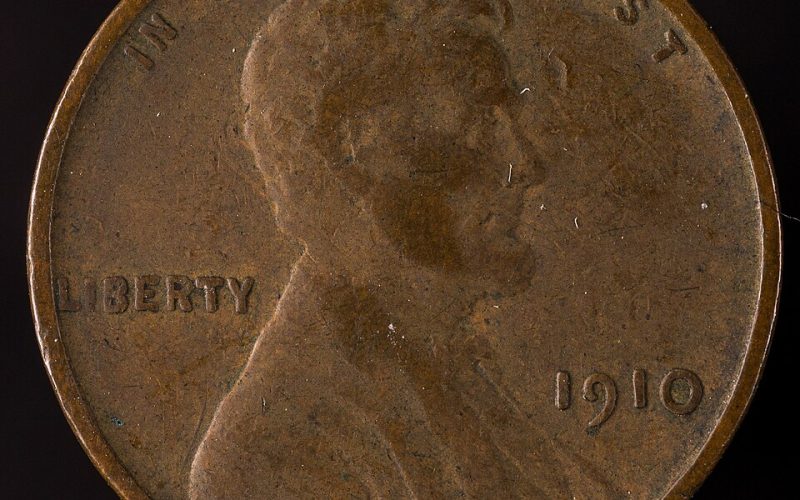
1910 Penny Coin Value (Errors List, “S” & No Mint Mark Worth)
A 1910-S Lincoln Wheat Penny in pristine condition sold for over $43,000 at auction in 2025. Your 1910 penny’s value depends first on its mint…
 Penny
Penny
1917 Wheat Penny Coin Value (Errors List, “D”, “S” & No Mint Mark Worth)
A 1917 Wheat Penny is worth $0.50 to $5 in circulated condition, with uncirculated examples ranging from $50 to over $100,000 for pristine gems. The…
1903 Indian Head Penny Coin Value (Errors List & No Mint Mark Worth)
1903 Indian Head Penny values range from $1.50 to $150+ based on condition. Error varieties like Repunched Date (RPD) and Full Brockage fetch $250-$8,000. Get 2026 pricing and error identification guide.