
1938 Wheat Penny Coin Value (Errors List, D, S & No Mint Mark Worth)
In 2026, 1938 wheat pennies range from $0.10 to $5 in circulated condition and $3 to over $40 in uncirculated condition, with the San Francisco mint (S) being the most valuable. These coins feature three mint marks: no mint mark (Philadelphia), D (Denver), and S (San Francisco). Key error varieties to look for include doubled die obverse (DDO) and repunched mint marks (RPM), which can significantly increase value.
- 1938-S pennies are the most valuable base issue, reaching $40+ in uncirculated condition vs $3+ for Philadelphia and $3.50+ for Denver.
- Error varieties like DDR and RPM add significant premiums: MS-65 red 1938-S DDR sold for $89, while MS-63 1938-D DDR fetched $21.
- Record auction prices show pristine examples: MS-68 Red Philadelphia sold for $6,325 (2005) and MS-68 Denver for $4,313 (2007).
1938 Wheat Penny Values: Complete Price Guide by Mint Mark
The value of a 1938 wheat penny depends primarily on its mint mark and condition. Philadelphia (no mint mark), Denver (D), and San Francisco (S) each produced coins with different scarcity levels. The San Francisco mint generally yields the highest values, especially in uncirculated condition. Understanding these differences helps you accurately assess your coin’s worth.
2026 Circulated vs Uncirculated Values: Philadelphia, Denver, San Francisco
The table below shows current value ranges for each mint mark in circulated and uncirculated condition. Condition is critical: brown (BN) coins are common, while red (RD) uncirculated examples command substantial premiums.
| Mint Mark | Circulated Condition Value Range | Uncirculated Condition Value Range | Key Condition Notes |
|---|---|---|---|
| No Mint Mark (Philadelphia) | $0.10 – $1 | $3+ | Red uncirculated (RD) grades MS-65+ reach highest premiums. |
| 1938-D (Denver) | $0.20 – $3 | $3.50+ | Red uncirculated (RD) grades MS-65+ significantly increase value. |
| 1938-S (San Francisco) | $0.30 – $5 | $40+ | Red uncirculated (RD) grades MS-65+ can exceed $100+ in top grades. |
These ranges reflect typical market prices in 2026. Coins in heavily worn condition (Good or lower) fall at the lower end, while those with minimal wear (About Uncirculated or better) start at the higher thresholds. The jump from circulated to uncirculated values is steepest for the 1938-S.
Top Auction Sales: MS-68 Red Pennies Fetch $4,000-$6,300+
Exceptional grading drives record prices. Two notable sales illustrate the ceiling for 1938 wheat pennies:
– MS-68 Red 1938 Philadelphia penny: Sold for $6,325 in 2005. This grade is extremely rare for any 1938 wheat penny.
– MS-68 1938-D penny: Sold for $4,313 in 2007. Again, MS-68 is a near-perfect grade seldom achieved.
These sales represent the absolute pinnacle of condition. Most collectors will never encounter coins graded this high. They demonstrate, however, that even common-date wheat pennies can achieve four-figure prices when preserved flawlessly.
Error Varieties That Boost 1938 Penny Value
While 1938 wheat pennies are not considered a major error year, specific mint mistakes can add substantial premiums. The most sought-after error types are doubled die obverse (DDO) and repunched mint marks (RPM). Double die reverse (DDR) errors also appear but are less common.
Doubled Die Obverse (DDO) and Repunched Mint Marks (RPM)
Error varieties for 1938 are relatively modest compared to other wheat penny years. The main types include:
– Doubled Die Obverse (DDO): A die impression is doubled during creation, causing subtle doubling on letters or devices. 1938 DDOs are not widely recognized as major varieties but can still add premium.
– Repunched Mint Marks (RPM): The mint mark was punched more than once, creating a doubled or blundered appearance. Examples include 1938-D/D and 1938-S/S/S RPMs.
No major, widely recognized, high-value errors define the 1938 wheat penny series. However, any clear error will typically double or triple a coin’s value compared to a normal example in the same condition.
Double Die Reverse (DDR) Premiums: $89 MS-65 to $21 MS-63
Double die reverse errors show doubling on the wheat reverse design. Two documented sales show how grade and mint mark affect price:
– 1938-S DDR wheat penny (MS-65 red): Sold for $89 at Heritage Auctions. The high grade and red color maximized value.
– 1938-D DDR wheat penny (MS-63 red-brown): Sold for $21 in 2006. The lower grade and red-brown color reduced the premium.
This comparison highlights that even within the same error type, condition and mint mark dramatically influence price. The San Francisco DDR in top red condition commanded over four times the price of the Denver example in lower grade.
How to Identify 1938 Wheat Penny Mint Marks: No Mark, D, and S Differences?
Correctly identifying the mint mark is the first step in determining value. The mint mark is located below the date on the obverse (heads side). Philadelphia did not use a mint mark in 1938, so the absence of a letter indicates Philadelphia.
Philadelphia (No Mint Mark): All 1938 Pennies Struck Here
If no mint mark appears below the date, the coin was struck at the Philadelphia Mint. Philadelphia was the primary mint for wheat pennies in 1938 and produced the largest quantity. Values for no-mint-mark pennies are the baseline: $0.10–$1 circulated and $3+ uncirculated. Because they are so common, Philadelphia 1938 pennies rarely exceed $100 unless in near-perfect MS-67+ red condition or with a significant error.
Denver (D) vs San Francisco (S): Value and Rarity Comparison
Both Denver and San Francisco used mint marks in 1938. The “D” for Denver and “S” for San Francisco are small letters placed below the date. San Francisco mintages were lower, making 1938-S pennies the most valuable of the three.
| Mint Mark | Location | Typical Value Ranges (2026) | Rarity & Value Note |
|---|---|---|---|
| D (Denver) | Below date |
Circulated: $0.20–$3 Uncirculated: $3.50+ |
Less scarce than 1938-S; values peak in MS-65+ red. |
| S (San Francisco) | Below date |
Circulated: $0.30–$5 Uncirculated: $40+ |
Lowest mintage of the three; uncirculated red examples start at $40 and can reach $100+ in high grades. |
The 1938-S is the key date for this year. Even in well-worn condition, it typically sells for slightly more than the other mints. In uncirculated condition, the price disparity becomes dramatic, with San Francisco coins worth ten times or more than Denver or Philadelphia equivalents.
For collectors, the most valuable 1938 wheat pennies are uncirculated San Francisco strikes with red luster, or any mint mark with a clear error like DDR or RPM. Always examine the mint mark carefully and assess condition honestly. If you suspect an uncirculated coin, consider professional grading by a service like PCGS or NGC. A certified high grade can exponentially increase market value. For those interested in other key dates, explore 1859 Indian Head Penny values, 1863 Indian Head Penny errors, or 1877 Indian Head Penny values for comparative context.
Even common 1938 wheat pennies can reach $40+ in top uncirculated condition, with error varieties adding 100% or more premiums. The most surprising insight is how dramatically condition affects value—a well-preserved red coin is worth exponentially more than a worn one. Your immediate action: examine any 1938 pennies under magnification for doubled dies or repunched mint marks, and seek professional grading for any coin that appears uncirculated.
Related Coins
 Penny
Penny
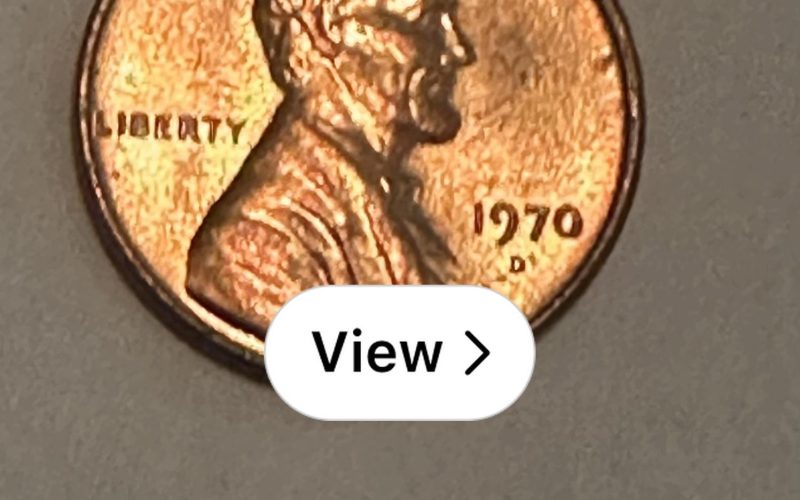
1970 Penny Coin Value (Errors List, “D”, “S” & No Mint Mark Worth)
2026 values for 1970 pennies. Find prices for no mint mark, D, and S mint marks. Identify key errors like Small Date and doubled die worth up to $24,000. Full guide.
 Penny
Penny
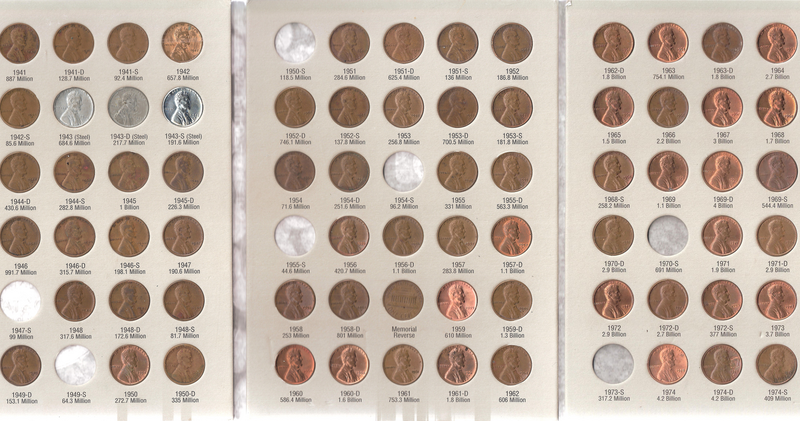
1974 Penny Coin Value (Errors List, D, S & No Mint Mark Worth)
Complete 1974 penny value guide: mint marks D, S, no mint mark, error varieties, grading factors. Current 2026 pricing for aluminum, doubled die, off-center & more.
1940 Wheat Penny Value (2026): Errors List, D, S & No Mint Mark Worth
2026 values for 1940 wheat pennies. Compare no mint mark, D, & S mint marks. See error values: Doubled Die Obverse ~$70, Repunched Mint Mark $100-$175+. MS67-MS68 red coins reach $1,500-$7,500+.