
1943 Copper Penny Coin Value (Errors List, “D”, “S” & No Mint Mark Worth)
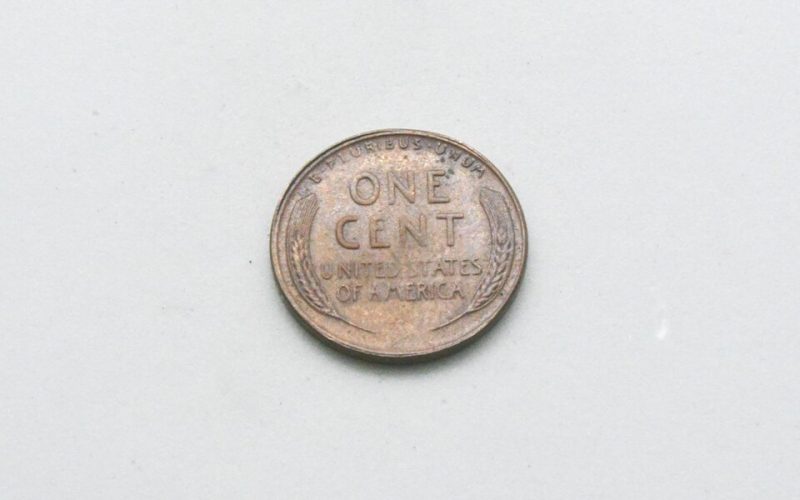
A genuine 1943 copper penny is worth $100,000 to over $1.7 million in 2026. While most 1943 pennies were struck in steel due to wartime copper shortages, a small number were mistakenly produced on leftover 1942 copper planchets, creating one of the rarest U.S. error coins. These valuable errors exist with three mint marks: Denver (D), San Francisco (S), and Philadelphia (no mint mark). For collectors seeking other penny values, our comprehensive Penny guide covers key dates and errors.
- Only 10-40 genuine 1943 copper pennies exist, making them rarer than many famous rarities.
- The 1943-D copper penny is the most valuable, with a record sale exceeding $1.7 million.
- Fakes are extremely common; professional authentication by PCGS or NGC is essential before any transaction.
1943 Copper Penny Values: What They’re Worth in 2026
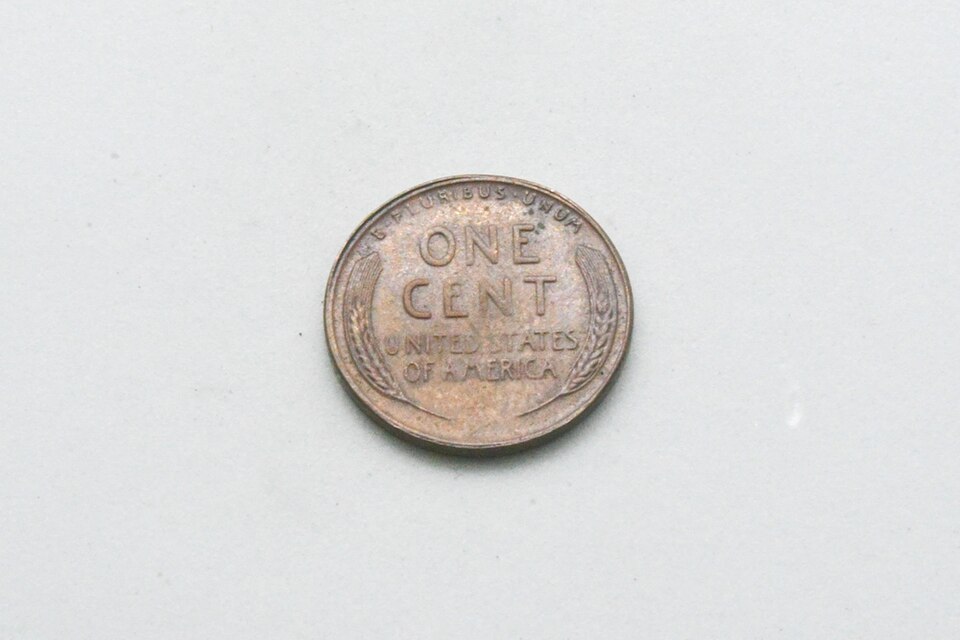
Value Comparison: 1943-D vs 1943-S vs Philadelphia Copper
| Mint Mark | Value Range | Record Sale Price | Known Examples |
|---|---|---|---|
| 1943-D Copper (Denver) | $1.7 million+ | $840,000 | 1 known (unique) |
| 1943-S Copper (San Francisco) | $300,000 – $500,000+ | Not specified (but high) | Fewer than 10 |
| 1943 No Mint Mark (Philadelphia) | $100,000 – $372,000+ | $372,000+ | Approximately 10-30 |
The 1943-D copper penny commands the highest prices due to its extreme rarity; only one confirmed example exists, making it the undisputed king of this error. The 1943-S and Philadelphia versions are also exceptionally rare, with perhaps a few dozen total known across all three mints. This scarcity drives values into the six-figure range for even circulated examples, while pristine specimens can exceed $1 million. According to CoinWeek (August 18, 2025), the unique 1943-D copper penny is held in a long-term collection and carries an estimated value of over one million dollars. For context on other rare pennies, our 1859 Indian Head Penny guide details similarly scarce issues.
What Is the Rarest 1943 Copper Penny?
The rarest 1943 copper penny is unequivocally the 1943-D cent. Only a single authenticated example is known to exist, currently held in a long-term private collection. This uniqueness stems from the Denver Mint’s production practices in 1943; it appears that only one or possibly two copper planchets were accidentally mixed into the steel coinage. In contrast, the 1943-S copper penny is also extremely rare, with perhaps 5-10 known examples, while the Philadelphia (no mint mark) version has slightly more, estimated at 10-20 specimens. Overall, the total population of genuine 1943 copper pennies across all mints is believed to be only 10-40 coins. Recent auction results reflect this scarcity: circulated 1943 copper pennies of any mint have sold for between $240,000 and $336,000 in the past two years, as reported by Bullion Exchanges (January 19, 2026). The 1943-D, being the single most rare, routinely fetches over $1 million when it appears on the market. Collectors of Indian Head pennies will find comparable rarity in the 1863 Indian Head Penny, which also features low-mintage varieties.
How Do You Identify a Real 1943 Copper Penny?
Magnet Test and Weight: Two Quick Verification Methods
- Magnet Test: A genuine 1943 copper penny is composed of copper and therefore is non-magnetic. Simply place the coin near a strong magnet; if it sticks, it is steel (or a fake copper-plated steel). This test instantly rules out the vast majority of 1943 pennies, which are steel.
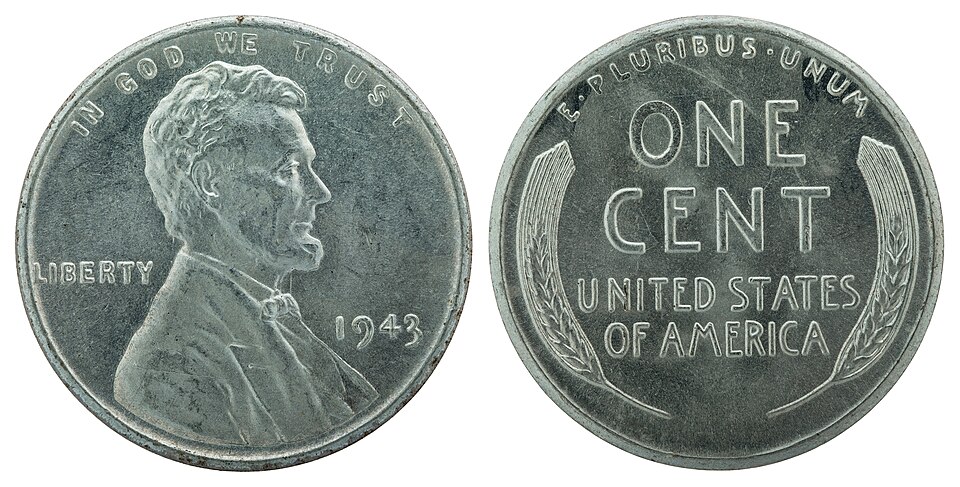
- Weight Measurement: Copper planchets weigh 3.11 grams, while steel planchets weigh 2.7 grams. Use a precise digital scale (accurate to 0.01 grams) to weigh the coin. A weight significantly different from 3.11 grams indicates a non-copper composition or a different date.
These two simple tests are highly effective because the physical properties of copper versus steel are dramatically different. They can be performed at home with minimal equipment and provide immediate preliminary verification before seeking professional authentication. Counterfeiters sometimes use bronze or other copper alloys that may be non-magnetic but have different weights; however, the combination of both tests is very reliable. For absolute certainty, professional grading is required. Our 1877 Indian Head Penny guide discusses similar authentication challenges for other rare dates.
What Should You Do If You Find a 1943 Copper Penny?
- Do not clean or alter the coin: Cleaning can damage the surface and reduce value. Never attempt to improve its appearance.
- Handle with extreme care: Hold the coin by its edges, avoid touching the faces, and use cotton gloves if possible. Fingerprints and oils can cause long-term damage.
- Examine the date under magnification: Use a 10x loupe to inspect the “1943” date. Many fakes are created by altering a 1948 or 1944 penny; look for tool marks, recutting, or irregularities in the digits, especially the “3” which may be from a “4” or “8”.
- Seek professional authentication: Submit the coin to a reputable third-party grading service such as PCGS (Professional Coin Grading Service) or NGC (Numismatic Guaranty Corporation). These organizations will verify authenticity, assign a grade, and encapsulate the coin in a secure holder. This process typically costs $50-$200 but is essential for establishing credibility and market value.
- Consider reputable auction channels: If authenticated, sell through established auction houses like Heritage Auctions or Stack’s Bowers, which specialize in high-value coins and attract serious collectors.
Because fakes are so common—including plated steel coins and altered-date pieces—professional verification is not optional but mandatory. Even if your coin passes the magnet and weight tests, it could still be a sophisticated counterfeit. Grading services use advanced techniques like X-ray fluorescence to confirm metal composition. For other error coins, see our 1888 Indian Head Penny guide.
Other Valuable 1943 Penny Errors You Should Know
1943-D Doubled Mint Mark Error
While the 1943-D copper error is the most famous, a more common (yet still valuable) error is the 1943-D doubled mint mark. This occurs on regular steel cents from the Denver Mint, where the ‘D’ mint mark is punched twice, creating a noticeable doubling. The doubling is usually clear under 10x magnification and can be seen with the naked eye on well-preserved examples. These coins are not rare in absolute terms but command a premium over standard 1943-D steel pennies. As of 2026, a clearly doubled 1943-D mint mark can add $35 or more to the value of a circulated coin, with higher grades fetching even more. Collectors often seek these as an affordable entry into the 1943 error market, and they serve as a reminder that not all valuable 1943 pennies are copper. The doubled mint mark error is a result of the mint mark die being aligned incorrectly and struck twice during the coining process. It is distinct from the copper error and should not be confused with it. While the copper errors are worth hundreds of thousands, the doubled mint mark offers a more accessible variety for casual collectors. Our 1889 Indian Head Penny guide covers similar doubled die varieties.
Off-Metal Strikes: 1943 on Silver Planchet Worth Thousands
Beyond the copper errors, off-metal strikes represent another fascinating category of 1943 penny errors. These occur when a 1943 cent is struck on a planchet intended for a different coin, often from a foreign country. The most notable example is the 1943 cent struck on a Netherlands silver planchet. These are extremely rare, with only a handful known, and can fetch thousands of dollars at auction. Other off-metal errors include strikes on copper-nickel or bronze planchets from other years or denominations. Additionally, even regular 1943 steel pennies can exhibit valuable errors such as off-center strikes (where the design is not centered on the coin) or double die varieties. Off-center strikes, particularly those with significant misalignment, can be worth $50 or more depending on the degree and condition. In contrast, a typical circulated 1943 steel penny is worth only $0.10 to $0.25, but these errors transform an ordinary coin into a collector’s item. It is important to note that these off-metal and strike errors are separate from the copper composition error and have their own authentication criteria. For more on error varieties, refer to our 1890 Indian Head Penny guide.
One surprising finding is that even a regular 1943 steel penny can be worth significantly more than face value if it has a clear doubled mint mark or off-center strike, turning a common coin into a $50+ collectible. If you suspect you have any rare 1943 penny—copper or error—the single most important step is to have it authenticated by PCGS or NGC before attempting to sell or insure it. Explore other rare Indian Head pennies from the 1890s in our 1893 Indian Head Penny guide.
Related Coins
 Penny
Penny
1973 Penny Coin Value (Errors List, “D”, “S” & No Mint Mark Worth)
Discover the 1973 penny value for no mint mark, D, and S varieties. Learn which errors like Railroad Rim and DDO increase worth. Get 2026 pricing and grading tips.
 Penny
Penny
1907 Indian Head Penny Coin Value (Errors List & No Mint Mark Worth)
In 2026, a 1907 Indian Head Penny in Good-4 condition sells for $1.60, while Mint State examples reach $553, making condition the primary value driver.…
1900 Indian Head Penny Coin Value (Errors List & No Mint Mark Worth)
Get the 2026 value of a 1900 Indian Head penny. Learn about error coins like the $100,000+ gold planchet, condition pricing, and why no mint mark is normal.