
1958 Wheat Penny Coin Value (Errors List, D & No Mint Mark Worth)

A standard 1958 Wheat Penny in circulated condition is worth between $0.05 and $1.00, but rare errors and high grades can push values into the hundreds of thousands. Two mint marks exist: Philadelphia (no mint mark) and Denver (D). The 1958 issue holds special historical significance as the final year of the iconic Wheat reverse design before the Lincoln Memorial reverse debuted in 1959. While millions were produced, finding high-grade examples requires careful searching.
- 1958 Wheat Pennies are common in circulation but scarce in top condition: MS67+ Red examples have sold for up to $9,000 (Philadelphia) and $2,000+ (Denver).
- The Double Die Obverse (DDO) is the most valuable error, with a record $336,000 sale for an MS64RD specimen in 2018; even minor doubling adds $25-$150.
- Two mint marks exist: Philadelphia (252,525,000 minted) and Denver (800,953,300 minted); both have similar circulated values ($0.05-$1.00) but differ in high-grade scarcity.
Current Market Values for 1958 Wheat Pennies
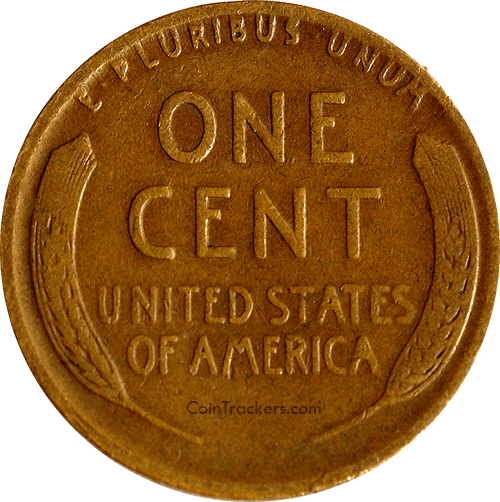
Circulated vs. Uncirculated: 2026 Price Ranges
| Condition Grade | Philadelphia (No Mint Mark) Value | Denver (D) Value |
|---|---|---|
| Good (G) | $0.05 – $0.25 | $0.05 – $0.20 |
| Very Good (VG) | $0.10 – $0.40 | $0.08 – $0.30 |
| Extremely Fine (EF) | $0.20 – $0.75 | $0.15 – $0.60 |
| About Uncirculated (AU) | $0.50 – $1.50 | $0.40 – $1.25 |
| Mint State 60-63 | $2 – $15 | $1.50 – $12 |
| Mint State 64-66 | $25 – $150 | $20 – $120 |
| Mint State 67+ Red (RD) | $500 – $9,000+ | $200 – $2,000+ |
The value gap between circulated and uncirculated 1958 Wheat Pennies is dramatic. A coin in Good condition typically fetches only face value plus a small premium, while an MS67+ Red example can sell for thousands. This exponential increase reflects the extreme scarcity of high-grade survivors from this era. Most 1958 pennies entered circulation immediately and suffered wear over 65+ years of use.
Color designation creates an additional value layer within Mint State grades. Red (RD) coins retain at least 95% of original copper luster and command premiums of 50-300% over Red-Brown (RB) or Brown (BN) examples at the same grade level. A PCGS MS67RD 1958 Philadelphia penny reached $9,000 at auction, while the same grade in RB might sell for $3,000-$4,000. Preservation of original mint luster is therefore critical for maximizing value.
Philadelphia (No Mint Mark) vs. Denver (D): Mintage and Value
The two mint marks show surprising value parity despite massive mintage differences:
Philadelphia (No Mint Mark):
- Mintage: 252,525,000 coins
- Circulated value: $0.05-$1.00
- MS67+ Red record: $9,000
- Error frequency: Moderate DDO population
Denver (D):
- Mintage: 800,953,300 coins (3.2x Philadelphia)
- Circulated value: $0.15-$0.30 (slightly higher due to lower survival rate in high grades)
- MS67+ Red range: $200-$2,000+
- Error frequency: Lower DDO population than Philadelphia
Denver’s much higher mintage yet similar circulated values stems from distribution patterns. More Denver-minted pennies entered circulation across the western United States, while Philadelphia coins concentrated in the east. Both are abundant in average condition, but Philadelphia produces more high-grade survivors due to different handling and storage practices of the era. The Denver mint’s larger output actually makes top-grade examples slightly scarcer relative to demand.
Record Auction Prices for 1958 Wheat Pennies
Verified auction records reveal the extraordinary value potential of exceptional 1958 Wheat Pennies:
- MS64RD 1958-DDO (Philadelphia): $336,000 (2018 sale) – This remains the world record for any 1958 wheat penny. The coin exhibits strong doubling on the date and LIBERTY with perfect red color.
- PCGS MS67+RD (Philadelphia): $9,000 – Top-tier regular strike example without errors but with pristine red luster and sharp strike.
- PCGS MS67+RD (Denver): $3,360 (Heritage Auctions) – High-grade Denver specimen showing that even without errors, perfect red coins command four figures.
- MS65RB 1958-D 70% off-center: ~$800 – Demonstrates how significant mint errors create value even in mid-grade condition with RB color.
These prices represent the absolute pinnacle of the 1958 wheat penny market. 99.9% of coins will never approach these figures. Most collectors should expect values within the ranges provided in the price table above. The auction records exist to illustrate what’s possible, not to set expectations for average specimens.
Valuable Mint Errors Found on 1958 Wheat Pennies
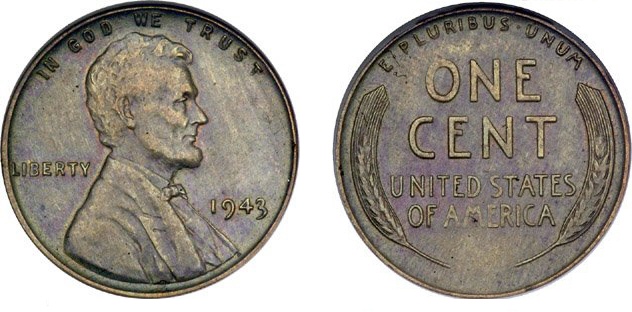
Double Die Obverse (DDO): The $336,000 Error
The doubled die obverse occurs when the working hub imparts the design twice onto the die during hardening, creating a shadowed or doubled appearance on struck coins. For 1958, the DDO is the most famous and valuable error variety, comparable to error premiums seen in 1863 Indian Head Penny evaluations. The doubling appears most clearly on:
- The date (especially the “8” and “5”)
- The word “LIBERTY”
- “IN GOD WE TRUST”
- Lincoln’s portrait details
The 1958-DDO is considered one of the strongest doubled die varieties in the entire Lincoln cent series. The effect is unmistakable under 5x magnification. While the record $336,000 sale represents an extreme gem, even modest examples with visible doubling command premiums:
- Weak doubling: $25-$75 (circulated grades)
- Moderate doubling: $75-$150 (MS60-MS63)
- Strong doubling: $150-$500+ (MS64-MS65)
- Exceptional DDO with RD color: $1,000-$5,000+ (MS66+)
All 1958 DDOs were struck at Philadelphia (no mint mark). The Denver mint did not produce a doubled die variety for this year. Collectors should examine every 1958 wheat penny carefully, as even circulated examples with clear doubling can sell for $50-$150 to error specialists.
Off-Center and Wrong Planchet Errors: Premiums up to $2,900
Off-center strikes occur when the coin blank (planchet) is not properly centered between the dies, causing the design to strike closer to one edge. Value depends on:
- Percentage off-center (higher = more valuable)
- Grade/condition
- Whether design elements are missing
Typical 1958 off-center values:
- 10-20% off-center: $10-$40 (circulated)
- 30-50% off-center: $40-$150 (MS63-MS65)
- 60-70% off-center: $200-$800 (MS65+)
- 70%+ off-center: $500-$1,500 (high grade)
The 70% off-center 1958-D graded MS65RB sold for approximately $800 demonstrating this premium tier.
Wrong planchet errors are ultra-rare and command substantial premiums. A notable 1958 example was struck on a Cuban centavo planchet, resulting in Lincoln’s image being partially cut off at the top. This unique error sold for approximately $2,900. Other wrong planchet possibilities include striking on foreign coins or incorrect metal compositions, though none are confirmed for 1958 beyond the Cuban centavo specimen.
Intermediate Errors: L on the Rim, RPM, and Die Cracks
These errors appear occasionally in circulation and offer modest premiums over standard coins:
- L on the Rim: The letter “L” in “LIBERTY” touches or overlaps the outer edge. Some experts attribute this to circulation wear rather than a true mint error, but secondary market sales consistently show $5 to $100+ premiums depending on severity and grade.
- Re-punched Mint Mark (RPM): The “D” mint mark was struck more than once, creating a visible shadow or secondary mark. Requires magnification to identify. Values: $10-$75 above normal for the grade.
- Die Chips and Cracks: Small die breakage causes raised metal on the coin. Notable varieties include:
- “Filled B”: Die chip fills the center of the “B” in “LIBERTY”
- “Cracked Skull”: Die crack across Lincoln’s head
- Values range from $5-$50 depending on prominence.
- Lamination Errors: Copper surface begins to peel or flake due to metal impurities. These are relatively common in 1958 wheat pennies. Premiums: $3-$25 depending on size and location.
Most intermediate errors in average circulated condition sell for $5-$25 above the coin’s base value. The premium increases significantly for high-grade examples (MS63+) of the same error.
Grading and Color Designations: Maximizing Your Coin’s Worth
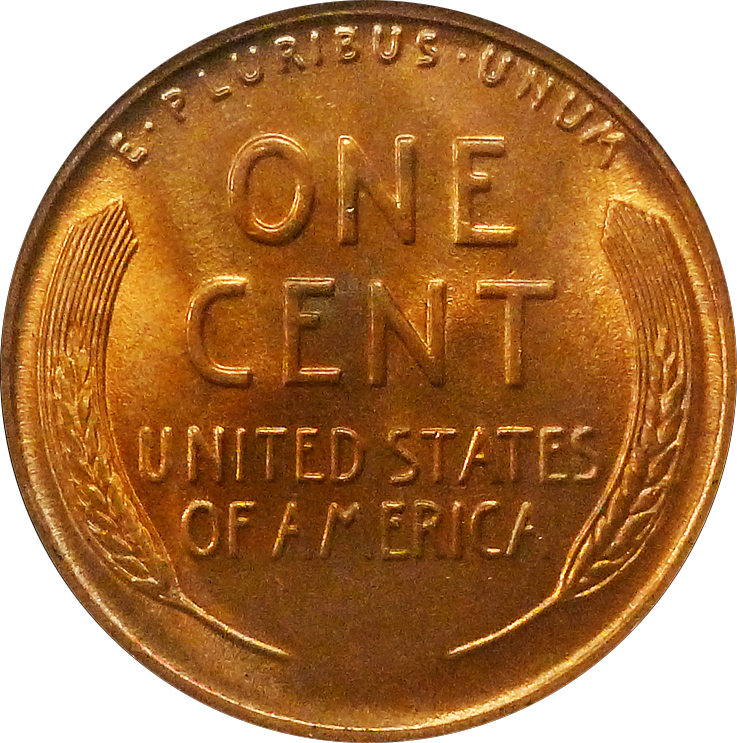
How to Identify if Your 1958 Penny is Valuable
Follow this systematic checklist when evaluating any 1958 Wheat Penny or similar key dates like the 1889 Indian Head Penny:
- Identify mint mark: Check under the date for “D” (Denver) or no mint mark (Philadelphia). Use a 10x loupe for clear visibility.
- Assess condition: Determine if the coin is circulated (wear visible on high points) or uncirculated (no wear, mint luster present). Estimate grade using Sheldon scale: G (4), VG (8), EF (12), AU (50), MS60-MS70.
- Check for errors: Examine under magnification for:
- Doubling on date, LIBERTY, IN GOD WE TRUST (DDO)
- Off-center strike (design shifted from center)
- L on rim (L touching edge)
- RPM (double D mint mark)
- Die cracks or chips (raised metal lines)
- Lamination (peeling/flaking copper)
- Determine color: Classify as:
- Red (RD): 95%+ original copper luster
- Red-Brown (RB): Mixed coloration, some oxidation
- Brown (BN): Fully oxidized, no red remaining
- Compare to value guides: Use recent auction data and price guides like PCGS Price Guide or Heritage Auctions archives to verify current market levels. Condition and color dramatically affect pricing.
A methodical approach prevents overlooking subtle but valuable characteristics. Many valuable errors are easily missed without proper magnification and lighting.
Color Designations: Red (RD) vs. Red-Brown (RB) vs. Brown (BN)
| Color Designation | Definition (Copper Luster %) | Collector Preference | Value Impact |
|---|---|---|---|
| Red (RD) | Retains ≥95% original copper luster | Highest demand | Premium of 50-300% over RB/BN at same grade |
| Red-Brown (RB) | Mixed red and brown oxidation | Moderate demand | Intermediate value; 20-50% less than RD |
| Brown (BN) | Fully oxidized, no red remaining | Lowest demand | Baseline value; typically 30-60% less than RD |
Red coins dominate the high-end market because copper oxidation is irreversible. Once a penny turns brown, it never returns to red. Collectors prize RD examples as they represent the coin’s original appearance from the mint. Preservation is therefore paramount: store copper coins in airtight holders with silica gel packets to minimize humidity exposure.
The value differential becomes extreme at the top end, a phenomenon also evident in 1890 Indian Head Penny pricing. A PCGS MS67RD 1958-D might sell for $1,500-$2,000, while the same coin graded MS67RB might only fetch $400-$600. For circulated coins in EF-AU condition, RD designation can still add $0.50-$2.00 over BN examples.
What Makes the 1958 Wheat Penny Special for Collectors?
The 1958 Wheat Penny occupies a unique position in American numismatics for three key reasons:
Historical Significance: It is the final year of the Wheat reverse design. Victor David Brenner’s iconic wheat stalk reverse debuted in 1909 and ran continuously until 1958, echoing the significance of inaugural issues like the 1859 Indian Head Penny. The 1959 switch to the Lincoln Memorial reverse makes 1958 a mandatory date for any complete Wheat cent collection. This guaranteed demand supports baseline values even for average coins.
Scarcity in High Grades: Despite mintage numbers exceeding 250 million (Philadelphia) and 800 million (Denver), MS67+ examples are surprisingly scarce. The copper composition (95% copper) made these coins prone to bag marks and handling damage during storage. PCGS has graded only a handful of MS67RD 1958s, explaining why they command thousands, a scarcity mirrored by 1877 Indian Head Penny in pristine condition.
Home of the Famous DDO: The 1958 doubled die obverse ranks among the most dramatic and valuable error varieties in the entire Lincoln cent series. Its discovery in the 1990s transformed the 1958 from a common date to a potential treasure. The DDO’s strength and clarity make it relatively easy to identify, even for novice collectors, which keeps demand consistently high for such error varieties as found in 1888 Indian Head Penny.
For collectors completing Wheat penny sets, 1958 is non-negotiable. For error specialists, it’s a prime hunting ground. For investors, high-grade red examples offer solid long-term value due to their scarcity and guaranteed set demand. This combination of factors makes the 1958 wheat penny uniquely significant among mid-20th century American coinage.
Most collectors overlook the 1958 wheat penny as common, but a single doubling error can transform a $0.25 coin into a $336,000 treasure. The same year marks the end of an era—the final Wheat reverse before the Lincoln Memorial design. Examine your 1958 pennies under 10x magnification for doubling on the date and LIBERTY lettering. Also check for off-center strikes or unusual planchet errors that could add significant value. For accurate grading and authentication, submit questionable coins to PCGS or NGC—the certification premium often exceeds the grading cost, particularly for key dates like the 1893 Indian Head Penny.
Frequently Asked Questions About 1958 Wheat Penny
What is the value of a 1958 wheat penny with no mint mark in About Uncirculated (AU) condition?
$0.50 – $1.50. This range applies to Philadelphia-minted 1958 wheat pennies in AU grade, reflecting their condition above circulated but not fully mint state.
How much is a 1958-D wheat penny worth in Mint State 60-63?
$1.50 – $12. Denver-minted 1958 wheat pennies in Mint State grades 60 through 63 fall within this value range, depending on specific condition and eye appeal.
What value impact does the Red (RD) color designation have on a 1958 wheat penny?
A premium of 50-300% over Red-Brown (RB) or Brown (BN) examples at the same grade. RD retains ≥95% original copper luster and commands the highest collector demand.
Related Coins
 Penny
Penny
1992 Penny Coin Value (Errors List, D, S & No Mint Mark Worth)
Discover the true 1992 penny value for 2026. Learn which D, S, and no mint mark errors are worth up to $25,850. Get the complete errors list and identification guide.
1966 Penny Coin Value (Errors List & No Mint Mark Worth)
1966 penny value in 2026: circulated pennies worth 2 cents, uncirculated $0.10-$0.50, MS-67 up to $300+. DDR errors over $1,000. SMS pennies $100-$250+.
 Penny
Penny
2009 Penny Log Cabin Coin Value (Errors List, “D” & No Mint Mark)
Get the 2026 value of 2009 Log Cabin pennies. See price charts for no mint mark and D mint, learn which errors like die gouges increase worth. Full guide.