
1968 Penny Coin Value (Errors List, “D”, “S” & No Mint Mark Worth)
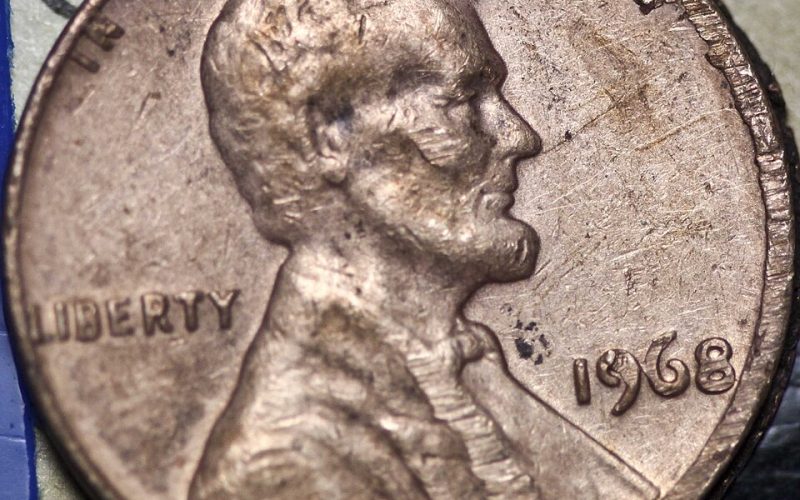
In 2026, 1968 Lincoln pennies range from a base copper value of $0.02 to over $5,000 for high-grade error coins, with the mint mark (D, S, or none) and condition being the primary value drivers. Errors like Repunched Mint Marks (RPM), Doubled Die Obverse (DDO), and Doubled Die Reverse (DDR) can increase a coin’s value by 100 times or more compared to a standard circulated example.
- 1968 pennies produced over 5 billion across three mints: Philadelphia (no mint mark), Denver (D), and San Francisco (S)
- Base values: Circulated 1968 pennies worth $0.02-$0.50; uncirculated (MS65+) $0.10-$0.30; high-grade (MS67+ Red) can exceed $1,000
- Most valuable: 1968-S proof ($3,000+), 1968-S business strike MS66+ ($5,000+), 1968-D wrong planchet ($1,200+), 1968-D DDR ($100-$300+)
- Key errors to look for: Repunched Mint Marks (RPM), Doubled Die Obverse/Reverse (DDO/DDR), ‘L’ on rim, off-center strikes
1968 Penny Value by Mint Mark: Current Prices for 2026
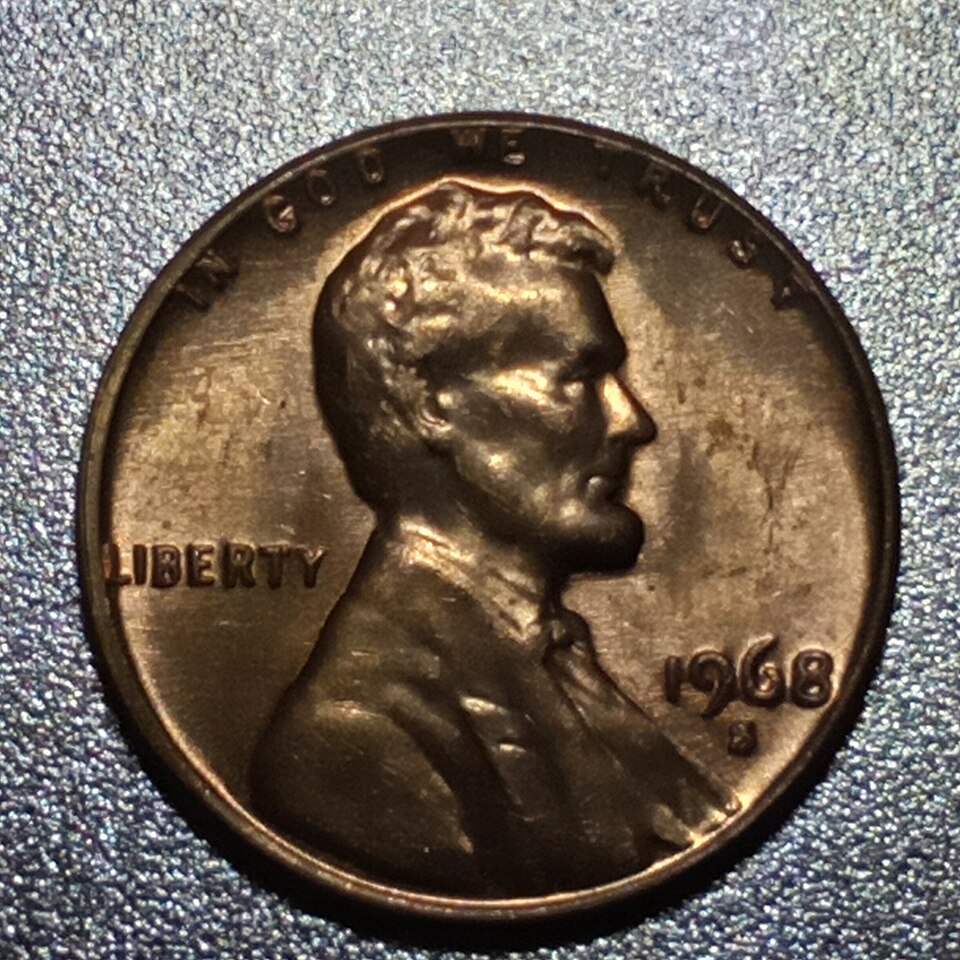
The value of a 1968 Lincoln Memorial cent is determined first by its mint mark of origin. Over 4.85 billion were struck across three facilities, but the San Francisco Mint’s proof coins and lower mintage business strikes create significant value disparities. For a standard 1968 penny in circulated condition, you can expect a value of just a few cents to $0.50. The real value lies in high-grade uncirculated examples and error varieties.
Value Comparison Table: No Mint Mark vs D vs S
The following table provides a clear comparison of 2026 values for 1968 Lincoln pennies across major mint marks and condition grades. Prices are for coins without major errors unless noted.
| Mint Mark & Type | Circulated (Good-VG) | Uncirculated MS63 | Uncirculated MS65 | Gem MS67+ Red | Proof (PR67+) |
|---|---|---|---|---|---|
| 1968 (No Mint Mark – Philadelphia) | $0.08 – $0.26 | $0.30 – $0.60 | $0.50 – $1.00 | $1,000 – $2,500+ | N/A |
| 1968-D (Denver) | $0.23 – $0.80 | $1.00 – $3.00 | $5.00 – $25.00 | $165 – $500+ | N/A |
| 1968-S (San Francisco Business Strike) | $0.09 – $0.32 | $0.50 – $2.00 | $10.00 – $50.00 | $5,000 – $20,000+ | N/A |
| 1968-S Proof | N/A | N/A | N/A | N/A | $100 – $3,000+ |
Data sources: coinvaluechecker.com, boldpreciousmetals.com, AI Overview. Production numbers are critical context: the Philadelphia Mint struck approximately 1.71 billion, Denver produced 2.89 billion, and San Francisco issued only 258.98 million business strikes plus 3.04 million proofs. The dramatically lower mintage for the San Francisco Mint, especially for proofs, is the foundation of its premium value.
Proof vs Business Strike: Why San Francisco Mint Commands Premiums
Proof coins from the San Francisco Mint are fundamentally different from regular “business strike” coins meant for circulation. They are struck using specially polished dies and planchets, often multiple times, resulting in a coin with razor-sharp details and mirror-like fields. For 1968, the 3.04 million proof coins issued represent the lowest mintage of any mint mark for this year. The most valuable proofs exhibit a “Deep Cameo” (DCAM) effect, where the design is frosted and the fields are deeply mirrored. These high-grade proof coins command premiums from $500 to over $3,000 for PR67-69+ condition. In contrast, a standard 1968-S business strike coin in circulated condition is worth only $0.02 to $0.10. The special production process and lower numbers make proof coins the most valuable segment of the 1968 penny market.
What makes a 1968 S penny valuable?
Several specific factors combine to make certain 1968-S pennies highly valuable. Based on collector demand and market data, here are the key drivers:
- Proof Status: A 1968-S proof coin in PR67-69+ condition typically ranges from $100 to $3,000+. The proof designation alone is the single biggest factor.
- High-Grade Business Strike (MS66+ Red): While common in lower grades, finding a 1968-S business strike in MS66 or higher with original red (RD) color is extremely difficult. These can sell for over $5,000.
- Doubled Die Obverse (DDO) Error: The 1968-S DDO is a prominent and valuable error. High-grade specimens with clear doubling on “LIBERTY” and “IN GOD WE TRUST” range from $500 to $5,000+.
- Low Mintage: With only 258,980,000 business strikes, the 1968-S mintage is less than 10% of the Denver total, creating inherent scarcity.
The combination of low mintage, the potential for high-grade survival, and significant error varieties makes the 1968-S a key date for serious collectors of modern Lincoln cents.
1968-D vs 1968-S: Which Mint Mark Is Rarer?
A direct comparison between the Denver and San Francisco mint marks reveals two different paths to value. The 1968-D has a massive mintage of 2,886,269,600, making common examples very affordable. Its value comes almost entirely from error varieties. The 1968-S has a much lower base mintage of 258,980,000, so even common high-grade business strikes carry a premium, and errors are exceptionally valuable.
| Feature | 1968-D (Denver) | 1968-S (San Francisco) |
|---|---|---|
| Business Strike Mintage | 2,886,269,600 | 258,980,000 |
| Proof Mintage | None | 3,040,000 |
| Key Error Types | DDR, RPM, Wrong Planchet, Off-Center | DDO, Filled Mint Mark, Rim Errors |
| Top Error Value | Wrong Planchet ($1,200+) | DDO ($500-$5,000+) |
| High-Grade Common Value | MS67 ~$165 | MS66+ RD ~$5,000+ |
| Proof Value | N/A | PR67+ $100-$3,000+ |
For a collector, the 1968-D offers accessible error hunting with varieties like the DDR and RPM found in circulation. The 1968-S requires more patience for high-grade business strikes or proof coins, but the payoff for a gem-quality example is substantially higher.
Top 1968 Penny Error Varieties and Their Worth
Error coins are where the 1968 Lincoln cent truly shines for collectors. The combination of high production volumes and specific die conditions created several collectible varieties. The most valuable errors often involve the mint mark or major design elements like the obverse lettering. Understanding what to look for is essential for identifying a potentially valuable coin in your collection.
Repunched Mint Marks (RPM): 1968-D/D and 1968-S/S
A Repunched Mint Mark (RPM) error occurs when the mint mark punch is struck more than once, creating a doubled, offset, or misaligned appearance. These are among the most actively collected error types for 1968 pennies.
- 1968-D/D RPM: Look for a “D” that appears doubled, often with a secondary punch visible to the right or lower. The most desirable varieties show a clear, slanted secondary D. Values range from $50 to $239+ for coins in MS65 or better condition.
- 1968-S/S RPM: Less common than the Denver variety, a doubled “S” can also be found. Values are similar but may be slightly lower due to lower demand.
- Catalog Reference: These varieties are listed as FS-501 in standard error catalogs.
The value depends heavily on the visibility of the doubling and the overall grade of the coin. A well-defined RPM on a high-grade coin will command the top end of the price range.
Doubled Die Obverse (DDO) and Doubled Die Reverse (DDR)
Doubled Die errors are caused by a die that has been hubbed more than once with a slight misalignment, creating a doubled image on the coin. They are among the most dramatic and valuable error types for 1968.
- 1968-D Doubled Die Reverse (DDR): This is a major variety. Look for clear doubling on the words “UNITED STATES OF AMERICA” and “ONE CENT” on the reverse. The finest known example is graded MS-66+ by PCGS, with an auction record of $285 for an MS-65 RD. Values typically range from $100 to $300+.
- 1968-S Doubled Die Obverse (DDO) Proof: The most famous 1968 error is the 1968-S proof DDO, cataloged as FS-101. It shows extreme, easily visible doubling on “LIBERTY” and “IN GOD WE TRUST.” High-grade specimens (PR-68 RD) have sold for $517 at auction, with a price range of $500 to $5,000+ depending on grade and cameo contrast.
- What to Look For: Use magnification. Check the lettering for thickened, split, or shadow images. The date is also a key area for doubling.
The DDO on the proof coin is significantly more valuable than the DDR on the business strike due to the proof’s inherent premium and the dramatic nature of the obverse doubling.
What errors exist on 1968 S pennies?
While the 1968-S DDO is the headline error, other varieties affect the San Francisco mint mark coins. The following table outlines the key errors to inspect on any 1968-S penny.
| Error Type | What to Look For | Value Range (High Grade) |
|---|---|---|
| Doubled Die Obverse (DDO) | Doubling on “LIBERTY” and “IN GOD WE TRUST”; very clear on proofs | $500 – $5,000+ |
| Filled/Weak Mint Mark | The “S” appears weak, incomplete, or filled with metal from the die | $20 – $100 |
| Off-Center Strike | Design is shifted off the coin’s center; rim may be missing on one side | $50 – $200+ |
| Rim Errors | Lettering (“L” in LIBERTY, “IN GOD WE TRUST”) touches or crosses the rim | $100 – $500+ |
The rim error, where design elements touch the coin’s edge, is particularly sought after on 1968-D pennies but also appears on 1968-S issues. Always examine the entire coin under good light.
Wrong Planchet and Off-Metal Errors: The $1,200+ 1968-D
The most valuable 1968 penny error is an off-metal strike where a cent was accidentally struck on a planchet (blank) intended for another denomination. The premier example is the 1968-D on a silver dime planchet.
- 1968-D on Silver Dime Planchet: This is an extremely rare and famous error. The coin uses a 90% silver planchet meant for a 10-cent piece, which weighs 2.27 grams versus the standard cent’s 3.11 grams. The result is a coin with a silvery appearance, wrong weight, and correct 1968-D design. Values start at $1,200+ and can be significantly higher for high-grade examples. Fewer than 50 may exist.
- Clipped Planchet: A portion of the coin’s edge is missing, creating a “clip.” Value depends on size and location, typically $100-$500+.
- Struck Through Grease: A die cavity filled with grease causes missing details, often on the date or lettering. Common on 1968-D, values are modest at $20-$100.
Identifying a wrong planchet error requires weighing the coin and checking its color. A silver-colored 1968-D cent that weighs under 3 grams is a major find.
How to Spot a Valuable 1968 Penny: Key Identification Tips
You don’t need a microscope to find valuable 1968 pennies, but you do need to know what to look for. The difference between a $0.10 coin and a $5,000 coin can come down to color, grade, or a tiny doubling on the lettering. Start by separating your pennies by mint mark (no mark, D, or S) and then examine each group for the specific traits that drive value.
Color Matters: Red (RD) vs Brown (BN) Value Difference
For copper coins like the 1968 penny, original color is paramount. The grading term Red (RD) means the coin retains its original, bright copper luster with no significant toning or oxidation. Brown (BN) indicates the coin has oxidized, often turning dark brown or green. The value difference is stark.
- A 1968-D in MS67 Red can be worth $165+. The same coin in Brown might be worth $20-$30.
- A 1968-S in MS66+ Red can exceed $5,000. A Brown example of the same grade might only be worth $100-$200.
- Red coins can be 5 to 10 times more valuable than their brown counterparts of the same technical grade.
Proper storage in cool, dry conditions, away from PVC and moisture, is the only way to preserve the red color. Never clean a copper coin, as this will almost always damage the surface and destroy its value.
Grading Impact: Why MS67+ Coins Command Premiums
The Mint State (MS) scale from 60 to 70 measures a coin’s strike quality and surface preservation. For modern coins like the 1968 penny, high grades are possible but become exponentially rarer as you climb the scale.
- MS65: A solid uncirculated coin with minor flaws. Typical value for a 1968-D is $0.25-$0.50.
- MS66: Well-struck with good luster. Value jumps to around $50 for a 1968-D.
- MS67: Very well-struck with only minor, hard-to-see flaws under magnification. A 1968-D in MS67 is worth approximately $165.
- MS68: Near-perfect with sharp details and no obvious flaws. These are rare and can exceed $1,000 at auction.
- MS69-70: Perfect or near-perfect. Extremely rare for 1968; if found, they could be worth $5,000 to $20,000+.
Professional grading by services like PCGS or NGC adds credibility and marketability, especially for coins you believe are MS67 or higher.
What is a rare penny from 1968?
The term “rare” for a 1968 penny does not mean low mintage in the traditional sense—over 4.8 billion were made. Instead, “rare” refers to specific combinations of mint mark, grade, and error that have very few surviving examples. The rarest 1968 pennies are:
| Coin Type | Why It’s Rare | Approximate Value |
|---|---|---|
| 1968-S Proof (DCAM) | Low proof mintage (3.04M); high-grade Deep Cameo examples are scarce | $3,000+ |
| 1968-S Business Strike MS66+ Red | Few survive in this high grade with original red color | $5,000+ |
| 1968-D on Dime Planchet | Off-metal error; possibly fewer than 50 known | $1,200+ |
| 1968-D DDR (MS66+) | Finest known is MS-66+ (1 graded by PCGS) | $100-$300+ |
| 1968-D/D RPM (MS65+) | Popular error; high-grade examples with clear doubling are sought | $50-$239+ |
The common thread is survival in high grade. Billions of 1968 pennies were made, but almost none survive in MS67+ condition, especially with red color or dramatic errors.
Authentication: When to Get Your Coin Certified
For any coin you suspect might be valuable, professional certification is not just recommended—it’s often essential for realizing its full market value. The process involves sending the coin to a third-party grading service like PCGS, NGC, or ANACS for authentication, grading, and encapsulation in a protective slab.
- Get certified if you suspect: A Doubled Die (DDO/DDR), Repunched Mint Mark (RPM), wrong planchet, dramatic off-center strike, or any other significant error.
- Get certified for high-grade coins: Any uncirculated 1968 penny you believe is MS67 or better should be graded. The slab from a major service provides buyer confidence and a price guarantee.
- Cost vs. Benefit: Submission fees range from $20 to over $100 per coin, depending on value and turnaround time. For a coin valued over $200, certification is almost always worth the cost.
A raw (uncertified) high-grade or error coin will sell for a fraction of its potential value. The certification fee is an investment that unlocks the coin’s true market price.
The most surprising valuation insight for 1968 pennies is that the 1968-S business strike (the regular circulation coin, not the proof) can be worth over $5,000 in MS66+ Red condition. This rivals and even exceeds the value of many proof coins from other years. For the average person, the biggest opportunity lies in checking old coin rolls or piggy banks. Before you spend any 1968 penny, examine it under a magnifying glass for red color, doubling on the word “LIBERTY”, and a repunched mint mark (a D or S that looks doubled or misaligned). Focus your search on 1968-D coins for DDR and RPM errors, as these offer the best risk-reward ratio for casual collectors.
Related Coins
 Penny
Penny
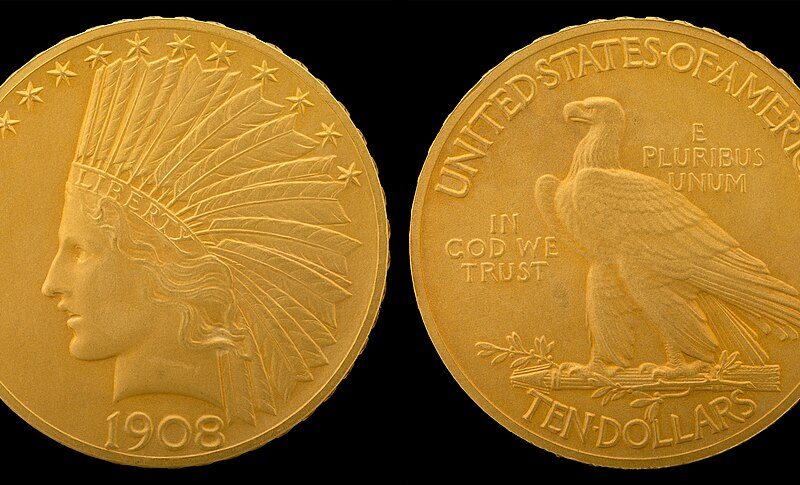
1908 Indian Head Penny Coin Value (Errors List, “S” & No Mint Mark Worth)
Discover 2026 values for 1908 Indian Head pennies. Compare no mint mark vs 1908-S prices, identify valuable errors like RPM, and learn what makes these coins worth from $2 to $1,000+.
 Penny
Penny
1956 Wheat Penny Coin Value (Errors List, “D” & No Mint Mark Worth)
150-160 characters, include keyword. Something like: "1956 Wheat Penny value guide for 2026. Find prices for 1956-D, no mint mark, and error varieties like Doubled Die. Learn how grading affects worth."
1904 Indian Head Penny Coin Value (Errors List & No Mint Mark Worth)
A 1904 Indian Head penny in average circulated condition sells for just $1 to $5 in 2026, but a pristine MS-67 Red specimen can command…