
1992 Penny Coin Value (Errors List, D, S & No Mint Mark Worth)
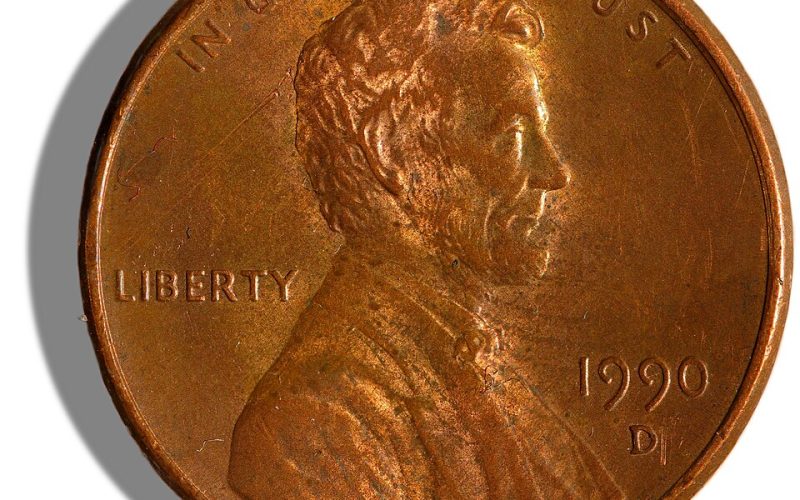
A 1992 penny is typically worth just $0.01, but rare Close AM varieties can fetch up to $25,850 in 2026. This guide covers the errors, mint marks (D, S, and no mint mark), and how to identify valuable 1992 pennies. With over 4.6 billion minted across Philadelphia and Denver, most 1992 pennies are common. Only specific design errors, particularly the “Close AM” variety, command significant premiums. Understanding these distinctions is essential for anyone checking loose change or building a collection.
- Close AM pennies (Philadelphia and Denver mints) are the most valuable 1992 errors, with values ranging from $2,000 to over $25,000 for high-grade examples, making them the prime target for collectors.
- Only about 10-20 examples of the 1992-P Close AM are known, while the 1992-D Close AM is slightly more common but still extremely rare, with MS64-65 specimens frequently selling for thousands.
- 1992-S proof pennies are common in the collector market, typically worth $1-$5, but can reach up to $58 for PR70DCAM grade; they are not found in circulation and were sold in proof sets.
1992 Close AM Penny Value: Up to $25,850 for Rare Varieties
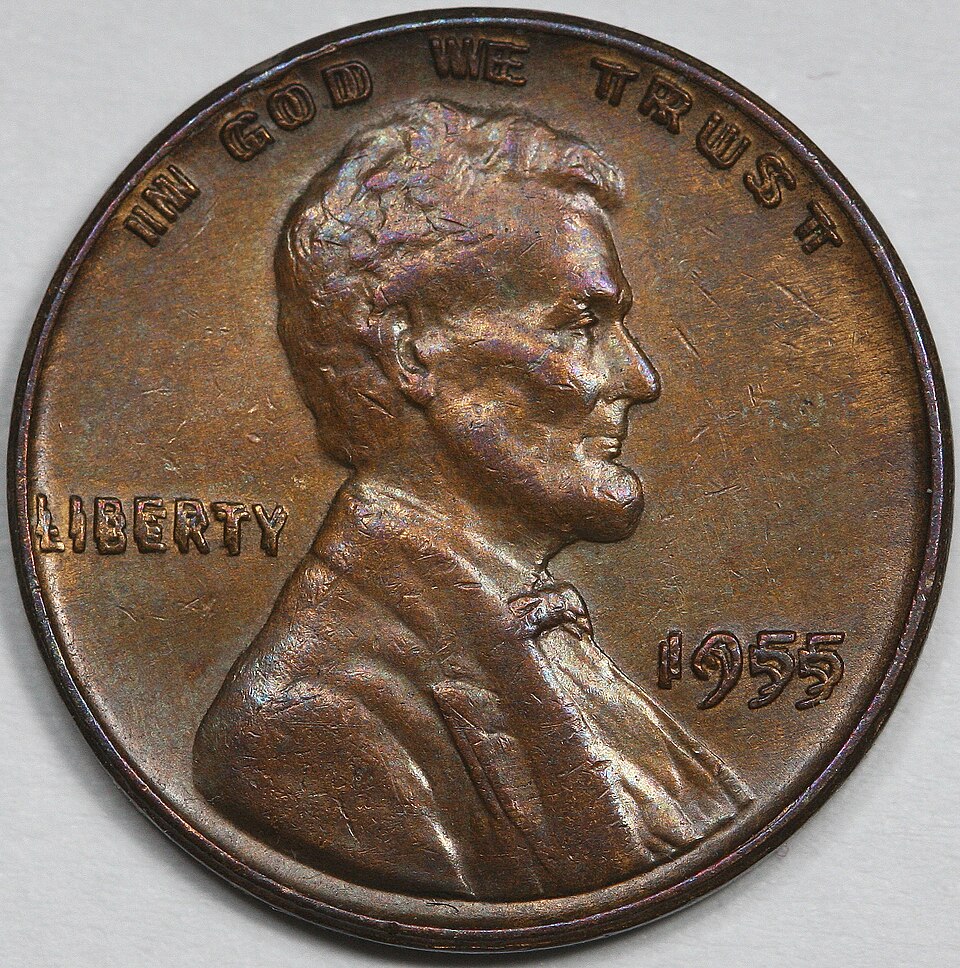
The single most valuable feature in any 1992 penny is the “Close AM” error on the reverse. This tiny design flaw transforms a common cent into a numismatic treasure worth tens of thousands of dollars. The error involves the spacing of the letters “A” and “M” in the word “AMERICA.” On normal 1992 pennies, these letters are widely separated. On the rare error, they are nearly touching. This variety was accidentally produced when the U.S. Mint used a 1993 proof die design for some 1992 circulation strikes. The result is one of the most sought-after modern errors.
Close AM vs Wide AM: The Critical Difference
The visual distinction between a valuable Close AM penny and a common Wide AM penny is subtle but unmistakable under magnification. On the reverse (tails side) of the Lincoln Memorial Cent, locate the word “AMERICA” above the memorial. The spacing between the “A” and “M” is the diagnostic feature. For the common Wide AM variety, there is a clear, wide gap between these two letters. For the rare Close AM variety, the bases of the “A” and “M” are almost touching or actually touching. This tiny difference creates a massive value disparity.
The following comparison highlights the contrast:
| Feature | Close AM (Rare) | Wide AM (Common) |
|---|---|---|
| A & M Spacing in AMERICA | Bases nearly touching or touching | Wide, clear gap between letters |
| Typical Value (Circulated) | $2,000 – $25,000+ | $0.01 – $0.10 |
| Intended Year | 1993 proof design | 1992 circulation design |
| Known Population (P mint) | ~10-20 examples | Billions |
The Close AM reverse design was intended for the 1993 proof set but was mistakenly used on some 1992 circulation strikes at both the Philadelphia and Denver mints. This minting error makes these specific 1992 pennies exceptionally rare and valuable. The value difference is not linear; it is exponential. A coin worth one cent in its normal form becomes a multi-thousand-dollar collectible due to this microscopic design variation.
1992 Pennies Valued at $20,000+: Close AM Varieties Only
Values for 1992 Close AM pennies reach their peak with high-grade, certified examples. The highest auction records involve coins graded MS67RD (Mint State 67, Red) by major grading services. An MS67RD 1992-P Close AM sold for $24,056 in 2012. More recently, a 1992-D Close AM graded MS64+RD sold for $4,555 in January 2023. These prices demonstrate that even lower-grade certified examples (MS64-65) frequently sell for thousands of dollars. The key point is that only the Close AM variety achieves these prices. A regular 1992 penny in the same mint state condition, even with perfect color, is worth only a few dollars at most. The error is the sole driver of the premium. The known population of the 1992-P Close AM is estimated at only 10-20 examples across all grades, making it one of the rarest modern Lincoln Cents. The 1992-D Close AM is slightly more numerous but remains an extreme rarity.
1992-D Close AM: Value Range by Condition (MS63 to MS67)
Condition is paramount for 1992-D Close AM values. The coin becomes progressively rarer and more valuable as the grade increases. The following table summarizes recent market data for this variety:
| Grade | Approximate Value | Example Sale Context |
|---|---|---|
| MS64+RD | ~$4,500 – $5,000+ | Sold for $4,555 in Jan 2023 |
| UNC Details | ~$900 | Sold for $900 in May 2023 |
| MS63-MS64 | $1,000 – $3,000 | Frequent sales in this range |
| MS65-MS67 | $5,000 – $25,000+ | Top population; MS67RD exceeded $24,000 |
It is important to note that the coin is rarer in high grades (MS65+) than in lower uncirculated grades. A coin with “UNC Details” (meaning it is uncirculated but not officially graded) still commands nearly $1,000. Any 1992-D penny suspected of being Close AM should be graded by PCGS or NGC to verify both the variety and the condition, as this directly determines its market value.
Which 1992 Penny Is Worth More: D, S, or No Mint Mark?
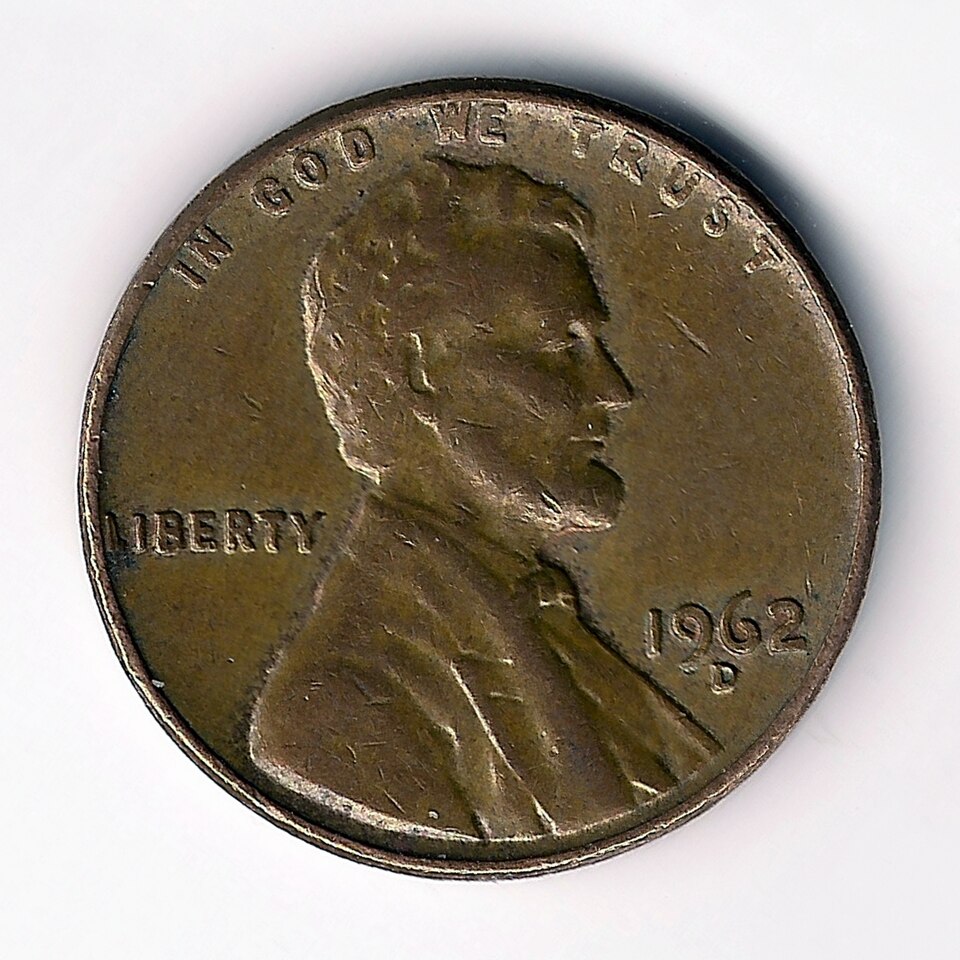
For common, error-free 1992 pennies, the mint mark has little impact on value. All three—Philadelphia (no mint mark), Denver (D), and San Francisco (S)—are worth very little in circulated condition. The San Francisco proof coins carry a modest collector premium. The dramatic value differences only appear when the Close AM error is present, which can occur on Philadelphia and Denver strikes but not on San Francisco proofs.
Regular 1992 Pennies: $0.01–$0.10 for Circulation, $1–$5 for Proofs
The baseline values for standard 1992 pennies are uniformly low due to enormous mintages. Here is a breakdown of typical prices for coins without errors:
- 1992 (Philadelphia, no mint mark): Mintage of 4,648,905,000. In Average Circulated condition, worth $0.01–$0.10. Uncirculated examples (MS60-MS63) typically sell for $0.25–$1.00.
- 1992-D (Denver): Mintage of 4,448,673,300. Value is identical to Philadelphia in similar condition: $0.01–$0.10 circulated, $0.25–$1.00 for uncirculated.
- 1992-S (San Francisco Proof): Mintage over 4 million. These were sold in collector sets and are not found in circulation. Typical values range from $1.00–$5.00 for most grades. Higher grades like PR69 sell for $9–$14, while the top grade of PR70DCAM can reach $58.
The massive production numbers for Philadelphia and Denver mean these coins are extremely common. The 1992-S proof, while not circulating, was produced in sufficient quantity that it remains a modestly priced collector item.
Close AM Errors: Why Philadelphia and Denver Pennies Can Reach $25,000+
The Close AM error can appear on pennies from the Philadelphia and Denver mints, completely transforming their value proposition. A 1992-P or 1992-D penny with the Close AM reverse is worth $2,000 to over $25,000 depending on condition and certification. The Philadelphia version (no mint mark) is the rarest, with only about 10-20 known examples. The Denver version (D mint mark) is slightly more common but still an extreme rarity. For context, a 1992-P Close AM sold at auction for $24,056 in 2012, and a 1992-D Close AM realized $4,555 in January 2023. These prices are exclusive to the Close AM variety; a regular 1992-P or 1992-D penny, even in pristine condition, is worth less than $1. The error is the sole factor that creates such extraordinary value from a coin that would otherwise be worth one cent.
1992-S Proof: Premium but Not as High as Close AM Errors
While the 1992-S proof penny is a collector coin, its value is in a completely different league compared to the Close AM errors. Proofs were struck with specially polished dies and planchets at the San Francisco Mint, resulting in a mirror-like finish. They were sold in annual proof sets and are not intended for circulation. The following table shows the value progression for certified 1992-S proofs:
| Grade | Approximate Value |
|---|---|
| PR65 | ~$1.50 – $3.00 |
| PR69 | ~$9.00 – $14.00 |
| PR70DCAM | ~$58.00 |
Even the highest-grade 1992-S proof (PR70DCAM) is worth a fraction of a low-grade 1992-D Close AM penny. The proof coin’s value is derived from its special minting process and collector packaging, not from a rare error. It is a common date in the modern proof series. The Close AM error, by contrast, is a production mistake that makes a specific subset of circulation strikes exponentially rarer and more valuable.
How to Identify a 1992 Close AM Penny and Avoid Counterfeits
Identifying a Close AM penny requires careful examination of the reverse design. Due to the high values involved, counterfeits and altered coins are a significant concern. A systematic approach is necessary.
What Does a 1992 Close AM Penny Look Like? Visual Identification Steps
Follow these steps to check any 1992 penny:
- Confirm the date and mint mark. Ensure the coin reads “1992” and has either no mint mark (Philadelphia) or a “D” (Denver). The Close AM error does not occur on 1992-S proof coins.
- Locate the word “AMERICA” on the reverse (tails side), centered above the Lincoln Memorial.
- Examine the spacing between the “A” and “M” using 10x magnification and good lighting. Focus on the bases of the letters where they meet the horizontal strokes.
- Determine the variety:
- Close AM: The bases of the “A” and “M” are almost touching or actually touching. The gap is minimal or nonexistent.
- Wide AM (common): There is a distinct, wide space between the two letters.
- Check the “FG” initials (see next section) as a secondary confirmation.
This is the most critical diagnostic feature. The difference is visible under magnification but can be subtle to the untrained eye.
FG Initials Position: Secondary Confirmation of Close AM
The initials “FG” for designer Frank Gasparro are located on the reverse, to the right of the Lincoln Memorial and below the word “AMERICA.” Their position relative to the memorial provides a secondary diagnostic clue. On a Close AM penny, the “FG” initials are positioned further away from the Lincoln Memorial building. On a Wide AM (normal) penny, the “FG” initials are positioned closer to the memorial. This difference in spacing is consistent and can help confirm a Close AM finding, especially if the AM spacing is borderline. Always use the AMERICA letter spacing as the primary test, and the FG initials as supporting evidence.
Why PCGS/NGC Certification Is Non-Negotiable for High-Value 1992 Close AM
Given that even a low-grade 1992-D Close AM can sell for over $1,000 and high grades exceed $25,000, professional certification is absolutely essential. The two leading third-party grading services, PCGS and NGC, provide two critical functions:
- Authenticity Verification: They confirm the coin is a genuine Close AM variety and not an altered common coin (where someone has artificially modified the spacing). This is a major concern, as counterfeits exist.
- Condition Grading: They assign a numeric grade (e.g., MS64, MS65) that directly determines market value. Their slabs (sealed plastic holders) are trusted by collectors and dealers worldwide.
Buyers will not pay high prices for raw, ungraded 1992 pennies suspected of being Close AM. The known population of the 1992-P Close AM is estimated at only 10-20 examples across all grades, and nearly all known high-value sales involve PCGS- or NGC-certified coins. Any 1992 penny you suspect might be Close AM should be submitted for grading. Never clean or attempt to alter the coin, as this destroys its value.
The 1992 penny’s story is a perfect lesson in numismatic value: a common coin worth one cent becomes a $25,850 treasure due to a microscopic design error intended for the following year. The key is the “Close AM” on the reverse. Your immediate action is simple: take any 1992 penny (no mint mark or D) and examine the word “AMERICA” on the back under 10x magnification. If the “A” and “M” appear almost touching, you have a rare variety. Handle it with extreme care—do not clean it—and seek professional grading from PCGS or NGC to verify and realize its full value.
Frequently Asked Questions About 1992 Penny
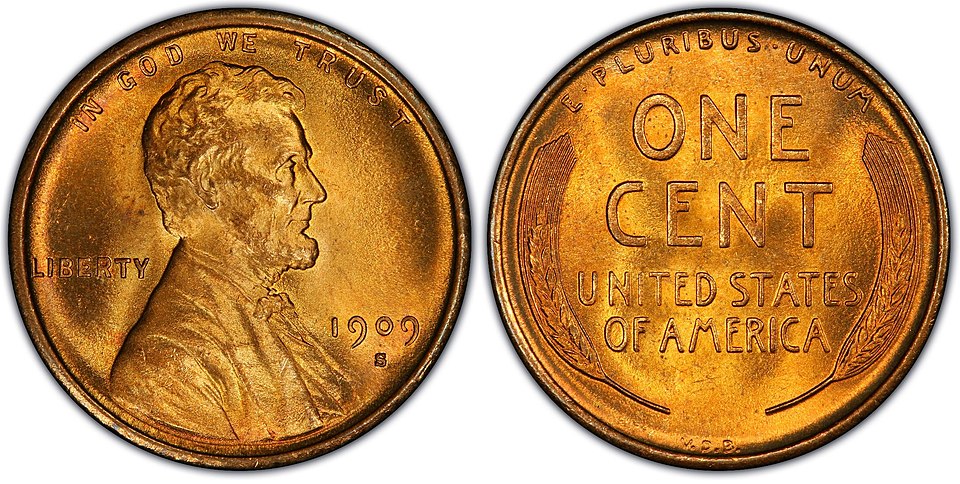
Is a 1992 coin worth anything?
Here's a Denver minted coin. The previous two coins were Philadelphia issued. This is a 1992 Denver minted Mint State 67 NGC graded coin, and this one sold for $169. Same coin except this one sold a year
What year is penny worth $20,000?
That makes them much easier to find than the 1969 Doubled Die coins. Bucki estimates that a 1992 Close AM coin in fairly new condition could be worth about $20,000, while a used one could sell for around $2,000 to $3,000.
Related Coins
1898 Indian Head Penny Coin Value (Errors List & No Mint Mark Worth)
An 1898 Indian Head penny typically sells for $3 to $4 in average circulated condition, but mint-state examples can exceed $60, and high-grade specimens can…
1935 Wheat Penny Coin Value (Errors List, “D”, “S” & No Mint Mark Worth)
The 1935 wheat penny represents one of the most accessible Lincoln cents for collectors, with over 300 million struck across three mints, yet pristine examples…
1904 Indian Head Penny Coin Value (Errors List & No Mint Mark Worth)
A 1904 Indian Head penny in average circulated condition sells for just $1 to $5 in 2026, but a pristine MS-67 Red specimen can command…