
2009 Penny Coin Value (Errors List, “D”, “S” & No Mint Mark Worth)
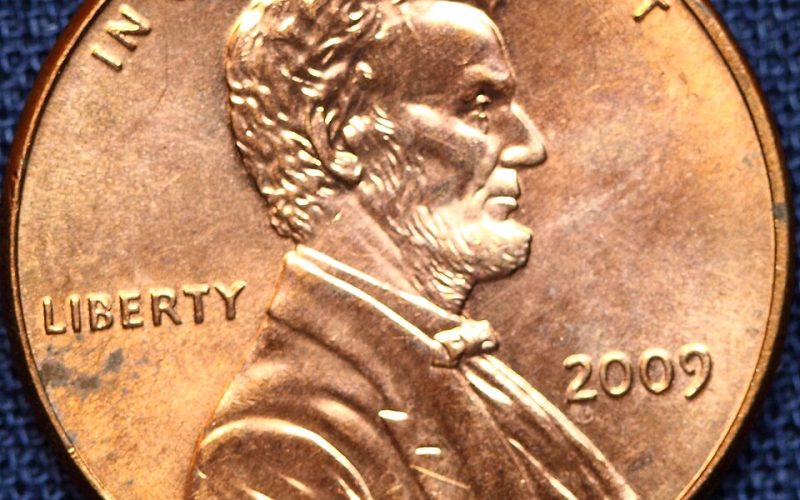
Most 2009 Lincoln pennies are worth just $0.01 in circulation, but specific variants—high-grade uncirculated examples (MS65+) or coins with mint errors—can fetch $1 to over $700. The value depends on three key factors: mint mark (Philadelphia “P” with no mint mark, Denver “D”, or San Francisco “S” proof), the reverse design among four bicentennial issues, and any error varieties like double dies or wrong planchets. These 2009 cents commemorate Abraham Lincoln’s 200th birthday and the 100th anniversary of the Lincoln cent, which replaced the Indian Head penny in 1909. For collectors of earlier Indian Head pennies from 1859 to 1893, values differ significantly—see our guides to the 1859 Indian Head penny and other key dates.
- Most 2009 pennies in circulation are worth $0.01, but uncirculated MS67+ examples can reach $25–$450+ depending on mint and design.
- The “Formative Years” (rail-splitter) and “Professional Life” designs in high grades from Denver (D) are the most valuable regular issues, often exceeding $400 in MS67.
- Error coins like wrong planchets, double dies, and off-center strikes can boost value to $50–$600+, far surpassing normal mint mark premiums.
- A “no mint mark” 2009 penny is a normal Philadelphia issue; its value comes from condition, not rarity of the mint mark.
2009 Penny Pricing: Mint Marks and Grading Impact (2026)
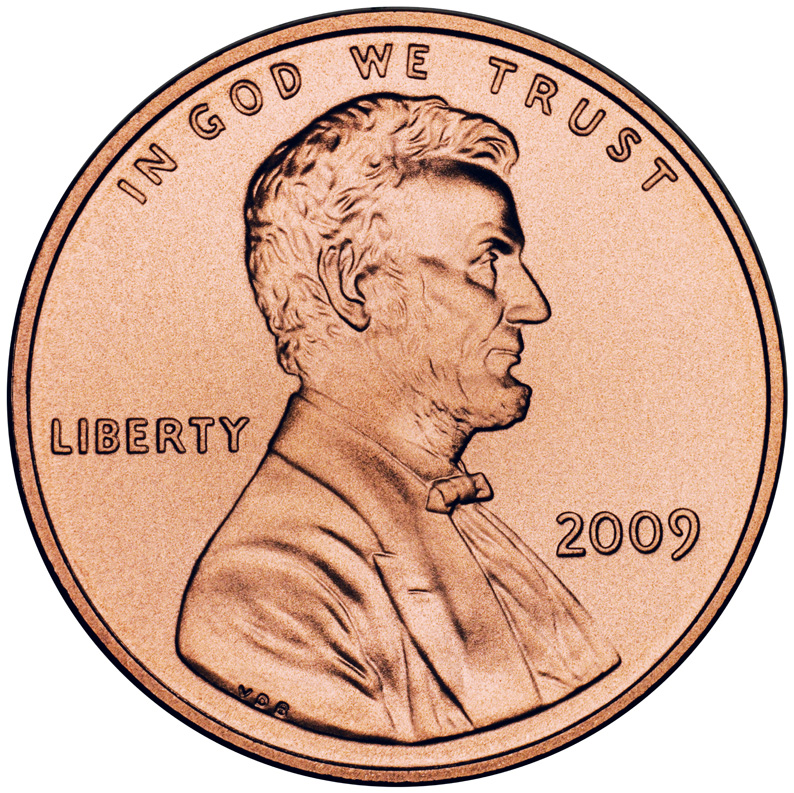
Understanding how mint marks and condition grades affect pricing is essential for determining what your 2009 penny is truly worth. While the vast majority of these coins remain at face value, certain combinations of mint location and preservation state create significant premiums in today’s collector market.
Base Values for Circulated Coins: P, D, and S Mint Marks
The most common 2009 pennies you’ll encounter in daily circulation have these baseline values. All figures are for coins in average circulated condition (grades Good to Very Fine) and reflect 2026 market prices.
- 2009 No Mint Mark (Philadelphia): $0.10 – $0.25. These are the most abundant and typically show the Log Cabin reverse (Birth and Early Childhood design). Even in lower grades, they are worth slightly more than face value due to copper content and collector interest. The Philadelphia Mint produced the highest volume of 2009 cents.
- 2009-D (Denver): $0.10 – $0.50. Denver coins often have sharper details but are still common, especially for the Log Cabin design. The slightly higher upper range reflects better striking quality and lower mintage for some designs. The Denver Mint used a different die set that can produce slightly crisper images.
- 2009-S (San Francisco Proof): $1 – $5+ depending on design and condition. Proof coins were struck with polished dies and planchets, then sold in collector sets; they rarely saw circulation. The cameo finish and sharp details command a consistent premium over circulation strikes. Proof sets from 2009 include all four designs and are highly collectible.
These figures represent coins with normal wear and no errors. The proof cents from San Francisco command a premium due to their special production method and collector-only distribution. For a more comprehensive look at penny values across all years, refer to our main Penny guide.
Uncirculated Premiums: Why MS67+ Changes Everything
The most dramatic value increases occur when a 2009 penny remains in Mint State (MS) condition, particularly at grades MS67 and above. Modern coins like the 2009 Lincoln cent are challenging to grade this high because the zinc core with copper plating is softer than older bronze coins, making it prone to contact marks during production and storage.
For Philadelphia-minted pennies (no mint mark), uncirculated examples graded MS67 can bring $25–$300+. Denver-minted coins show an even steeper premium: high-grade MS67 or better examples are worth $200–$450+. The Denver premium stems from lower mintage for certain designs and sharper striking quality that more readily achieves high grades.
Achieving MS67 requires the coin to be essentially flawless under magnification, with no visible scratches, contact marks, or weak strikes. The Professional Life and Formative Years designs from Denver are particularly sought after, with some selling for $400+ when certified by major grading services. Top grades MS68 and MS69 can exceed $600 for the finest examples, especially if they exhibit strong cameo contrast on the proof versions.
Collectors should note that modern coins often receive high grades from third-party services, but the market distinguishes between MS67 and MS68/69 with significant price jumps. A coin graded MS67 by PCGS or NGC is considered excellent, but an MS68 can be worth 50% more or even double in some cases. The certification process involves rigorous examination, and only a small fraction of submitted 2009 pennies achieve these top grades.
2009 Pennies Without a Mint Mark: Not an Error
A common misconception among new collectors is that a 2009 penny without a mint mark must be an error or special variety. This is incorrect. In 2009, as with most modern years, the Philadelphia Mint did not use a “P” mint mark on circulating Lincoln cents. A penny lacking any mint mark beneath the date is a perfectly normal Philadelphia-minted coin.
The Philadelphia Mint is the primary production facility for U.S. coinage and has historically omitted a mint mark on cents except for certain commemorative issues. The absence of a mint mark does not indicate a mistake; it is standard for Philadelphia circulation strikes.
The value of these “no mint mark” pennies follows the same rules as other mint marks: circulated examples are worth 10-25 cents, while high-grade uncirculated coins (MS67+) can reach $25–$300+. The absence of a mint mark does not inherently create scarcity or value. Only condition, specific design rarity, or actual mint errors drive premiums beyond the baseline. So before assuming your no-mint-mark penny is valuable, verify its condition and check for any error characteristics.
The Four 2009 Penny Designs and Which Are Most Valuable
The year 2009 marked the bicentennial of Abraham Lincoln’s birth and the centennial of the Lincoln cent design. To commemorate this dual anniversary, the U.S. Mint produced four distinct reverse designs, each depicting a different phase of Lincoln’s life. All four share Victor D. Brenner’s classic obverse portrait of Lincoln.
The Four Reverse Designs: Birth, Formative, Professional, Presidency
Here are the four reverse designs released in 2009 to honor Lincoln’s bicentennial:
- Birth and Early Childhood (Log Cabin): Depicts the humble log cabin where Lincoln was born in Kentucky. This is by far the most common design in the series, with the highest mintage.
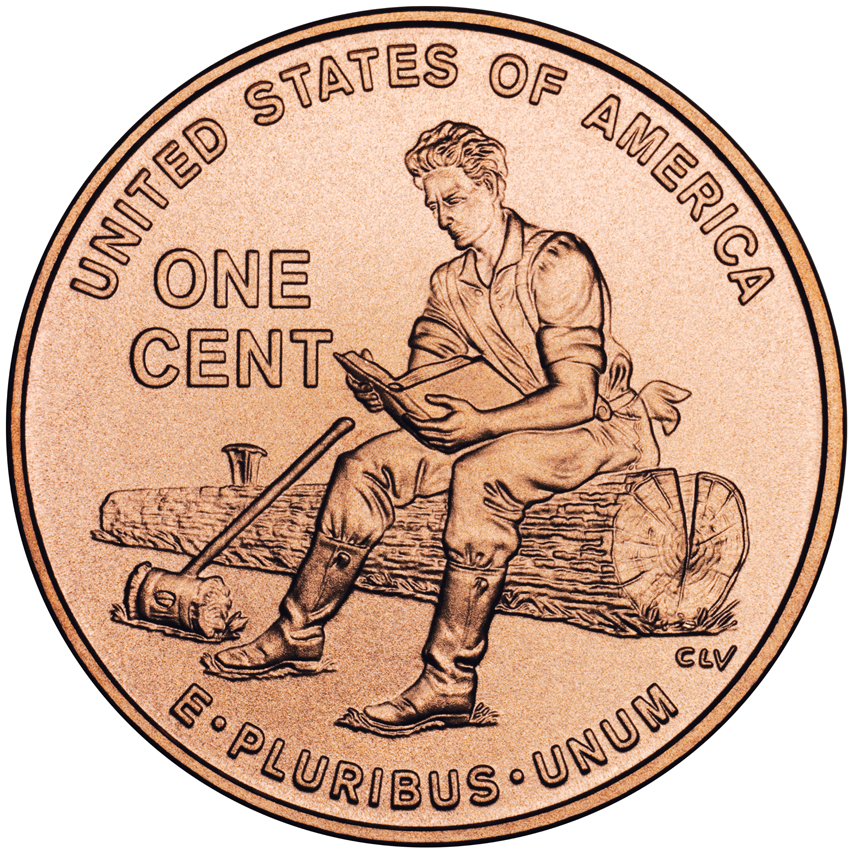
- Formative Years (Rail-Splitter): Shows a young Lincoln splitting rails, symbolizing his early labor in Indiana. Nicknamed the “rail-splitter,” this design is celebrated for its rugged individualism imagery.
- Professional Life (Lawyer): Features Lincoln standing before the Springfield Illinois State Capitol, representing his legal and political career before the presidency. This design emphasizes his stature as a statesman.
- Presidency: Portrays the Capitol building in Washington, D.C., where Lincoln served as President. This design symbolizes his leadership during the Civil War.
All four were produced at Philadelphia and Denver for circulation, with San Francisco proof versions for collectors. Each design offers a different artistic interpretation of Lincoln’s life, and collector preferences vary, though market data clearly shows the Formative Years and Professional Life designs command higher prices.
Formative Years & Professional Life: The Premium Designs
Among the four reverse designs, the Formative Years (rail-splitter) and Professional Life (lawyer) designs consistently command the highest prices in top condition. The 2009-D versions are particularly valuable because they combine the Denver mint’s sharper striking with lower relative mintage compared to the Log Cabin design.
Valuable examples include 2009-D Formative Years and Professional Life pennies, which typically sell for $5–$10+ in average uncirculated condition. In the highest grades (MS67/68), these coins often reach $400+. The Philadelphia versions also carry a premium over the Log Cabin, though not as steep as the Denver issues. For instance, a Philadelphia MS67 Formative Years might fetch $100-$200, while the Denver equivalent can exceed $400.
The market values these two designs higher due to perceived artistic merit and lower survival rates in pristine condition. Collectors seeking a complete set of high-grade 2009 pennies prioritize these two reverse designs, creating sustained demand. In contrast, the Log Cabin design remains the most common and least valuable of the four in similar condition, though it still holds a premium over face value in uncirculated grades.
Birth and Early Childhood (Log Cabin): The Common Design
The Birth and Early Childhood design, featuring the log cabin, is the most widely available of the four 2009 penny reverses. The U.S. Mint produced enormous quantities of this design for circulation—hundreds of millions—and it appears on virtually all 2009 pennies found in pocket change. Its ubiquity makes it the least valuable of the four in comparable condition.
In circulated condition, Log Cabin pennies are worth only their base metal value plus a small collector premium (10-50 cents depending on mint). Even in uncirculated condition, they typically lag behind the Formative Years and Professional Life designs in price. However, this does not mean Log Cabin pennies are never valuable—error varieties on this design, such as die cracks on the cabin roof or off-center strikes, can still command prices of $100 to $600+. The high mintage means that only coins with exceptional grade or significant errors carry substantial premiums.
2009 Penny Error Coins: The Most Valuable Varieties
Mint errors transform ordinary 2009 pennies into rare collectibles worth dozens or even hundreds of times their face value. The 2009 Lincoln cent program produced several notable error types that actively trade in the collector market. These error premiums apply across all four designs, though some errors appear more frequently on certain reverses—for example, die cracks are most commonly found on the Log Cabin reverse’s roof.
The following table summarizes the most valuable error types and their typical price ranges in 2026. Values can vary based on error severity, coin condition, and current market demand. Always seek professional authentication before purchasing an error coin, as many alterations mimic genuine mint mistakes.
| Error Type | Key Identifying Feature | Typical Value Range (USD) |
|---|---|---|
| Wrong Planchet | Struck on a 3.1g copper blank instead of standard 2.5g zinc core; appears reddish and heavier | $350 – $600+ |
| Double Die | Doubling visible on date, lettering, or design elements (especially Lincoln’s face or reverse details) | $50 – $500+ (based on intensity) |
| Multiple Strikes | Off-center strike or visible double-strike evidence; design elements shifted or overlapping | $100 – $400+ |
| Die Cracks / Breaks | Raised metal lines or “cuds” on the coin; particularly on log cabin roof of Early Childhood design | $50 – $200+ (depending on size/location) |
| Over Mintmark | One mint mark partially overstruck by another (e.g., D over P); extremely rare | Up to $200 |
All error coins should be authenticated by a professional grading service such as PCGS, NGC, or ANACS before purchasing or selling, as many post-mint damages can mimic genuine mint errors. When an error is certified, it commands the full premium shown in the table and often appreciates over time as rarity becomes confirmed.
How to Spot a Double Die or Wrong Planchet Error
Follow these steps to evaluate any 2009 penny for valuable errors. A magnifying glass or 10x loupe is essential.
- Check for doubling on the date, lettering, or design elements. Hold the coin under bright light and tilt slowly. Look for a ghostly secondary image, especially on the obverse date and “LIBERTY.” Double die errors can be subtle; the most valuable show clear separation between the two images. Use a ruler to see if letters appear to have a shadow offset.
- Weigh the coin. A standard 2009 penny weighs 2.5 grams. The copper planchet error weighs 3.1 grams—a difference of 0.6 grams that is detectable with a precision scale (0.01g accuracy) or even by careful handling. A copper-plated zinc core coin will also have a slightly different color—more reddish—compared to the usual bronze-colored plating.
- Inspect for off-center strikes or die cracks. Examine the coin’s edge and rim on both sides using a loupe. If the design is noticeably off-center (rim missing on one side, design crowded on the other), it may be a multiple strike error. Also look for raised metal lines or bumps, particularly on the log cabin roof of the Birth and Early Childhood design, which indicate a cracked die. These cracks appear as irregular raised lines that catch light.
- Verify mint marks. Ensure the mint mark is clear and not overstruck. An over mintmark (e.g., D over P) is extremely rare but worth up to $200 if genuine. Use magnification to check for overlapping letters or a blurred appearance that suggests two strikes.
Die Cracks and Over Mintmarks: Niche but Lucrative
Two niche but lucrative error types are die cracks and over mintmarks:
- Die Cracks: Raised metal lines appear where the die has fractured during striking. On the 2009 Log Cabin penny, the cabin roof is a known weak point where cracks frequently develop. These “cuds” or “die breaks” can add $50–$200+ depending on size and visibility. Larger cracks that affect the design are more valuable than small hairline cracks.
- Over Mintmarks: Occur when one mint mark is partially impressed over another during die installation (e.g., a “D” over a “P”). These are extremely rare on 2009 pennies but can reach $200 when certified by PCGS, NGC, or ANACS. The most valuable examples show both mint marks clearly.
Both error types require professional authentication, as many post-mint damages—such as scratches, tooling, or added metal—can mimic genuine mint errors. Always submit questionable coins to a grading service for verification before paying a premium.
For collectors interested in earlier Indian Head cents, our 1863 Indian Head penny guide covers its specific varieties and Civil War-era values.
The 1877 Indian Head penny is a key date with its own error rarities and premium pricing, especially in high grades.
Our analysis of the 1888 Indian Head penny shows how mint marks affect condition rarity and market desirability.
The 1889 Indian Head penny offers another case study in market dynamics and collector demand.
For error variety hunters, the 1890 Indian Head penny presents unique opportunities with its own set of mint mistakes.
Finally, the 1893 Indian Head penny completes the late Indian Head series with its own value factors and scarcity.
The most surprising insight is that a 2009-D “Formative Years” penny in pristine MS67 condition can easily exceed $400, rivaling the prices of many error coins. Most people assume all modern pennies are common and worth only face value, but the combination of Denver mint, the rail-splitter design, and flawless preservation creates a perfect storm of scarcity and demand that many collectors overlook.
Take action now: Sort any 2009 pennies you have by mint mark (D, S, or no mark) and reverse design. Separate the Formative Years and Professional Life designs, then check each under magnification for sharp details, full strikes, and absence of contact marks. Any coin that appears exceptionally sharp or shows visible doubling should be set aside for professional grading consideration. You might be holding a $400+ coin without realizing it. Start with your loose change today—you could be sitting on a small fortune.
Frequently Asked Questions About 2009 Penny
Are there any special 2009 pennies?
In 2009, the U.S. Mint made four special penny designs to celebrate Abraham Lincoln's 200th birthday. It was also the 100th anniversary of the Lincoln penny, which the Mint first made in 1909. The image of Lincoln remained on the obverse (heads) of all four cents in the new program.
What are the four types of 2009 pennies?
Each 2009 Lincoln penny bears Victor D. Brenner's original obverse design, while four separate reverse designs depict the major stages of Lincoln's life: Birth and Early Childhood; Formative Years; Professional Life; and Presidency.
What are the 10 rarest pennies?
1909-S Indian Cent. $300 – $1,000+…
1909-S VDB Lincoln Cent. $600 – $1,300+…
1914-D Lincoln Cent. $150 – $2,200+…
1922 Plain Lincoln Cent. $500 – $10,500+…
1931-S Lincoln Cent. $65 – $100+…
1943 Bronze Lincoln Cent. $125,000+…
1944 Steel Lincoln Cent. $75,000 – $125,000+…
Related Coins
 Penny
Penny
1956 Wheat Penny Coin Value (Errors List, “D” & No Mint Mark Worth)
150-160 characters, include keyword. Something like: "1956 Wheat Penny value guide for 2026. Find prices for 1956-D, no mint mark, and error varieties like Doubled Die. Learn how grading affects worth."
 Penny
Penny
1914 Wheat Penny Coin Value (Errors List, “D”, “S” & No Mint Mark Worth)
Current 1914 Wheat Penny values: $1-$20+ for no mint mark, $10-$50+ for 1914-S, $150-$5,000+ for 1914-D. Error varieties like Weak D, RPM, Rotated Reverse increase value. Avoid counterfeits.
1935 Wheat Penny Coin Value (Errors List, “D”, “S” & No Mint Mark Worth)
The 1935 wheat penny represents one of the most accessible Lincoln cents for collectors, with over 300 million struck across three mints, yet pristine examples…