
1916 Penny Coin Value (Errors List, “D”, “S” & No Mint Mark Worth)

In 2026, a 1916 Lincoln Wheat Penny typically ranges from $0.50 to $10 in circulated condition, with mint mark and errors significantly affecting value. The three mint mark options—no mint mark (Philadelphia), ‘D’ for Denver, and ‘S’ for San Francisco—create major price differences. Error varieties like doubled dies or missing letters can add hundreds or even thousands to a coin’s worth. For current penny values, visit the Penny guide. The 1916 penny is part of the Lincoln Wheat Penny series, which began in 1909. For values of earlier Indian Head pennies, see our 1859 Indian Head Penny value guide.
- 1916-D and 1916-S mint marks are key dates: 1916-D ranges $5–$300+, 1916-S ranges $5–$400+ in circulated condition, with uncirculated examples exceeding $1,500.
- Error varieties like doubled dies, repunched mint marks, and missing ‘L’ in Liberty can add $25 to over $1,000 to a coin’s value.
- Condition is critical: high-grade certified coins (PCGS/NGC) sell for significantly more than raw circulated examples.
1916 Penny Value by Mint Mark: 2026 Price Breakdown
The mint mark is the primary factor determining a 1916 penny’s value. Coins from Philadelphia (no mint mark) are common, while Denver (D) and San Francisco (S) issues are scarce and command significant premiums. Below is a detailed breakdown by mint location. For more on mint mark history, see the 1863 Indian Head Penny article.
Philadelphia (No Mint Mark) Value: $0.50–$10 Circulated, $75+ Uncirculated
| Condition | Value Range | Notes |
|---|---|---|
| Circulated | $0.50 – $10 | Common in worn condition |
| Uncirculated | $75+ | Higher grades command premiums |
| High-Grade Red | $1,500+ | Original red luster significantly increases value |
The Philadelphia Mint produced the vast majority of 1916 Lincoln Wheat Pennies, with no mint mark appearing below the date. In average circulated condition, these coins are worth between $0.50 and $10. However, uncirculated examples start around $75 and can reach $1,500 or more for pristine, red-colored specimens, according to Bullion Shark (2025).
1916-D Denver Mint Value: $5–$300+ Range and Rarity
- Good (G-4 to G-6): $5 – $10
- Very Good (VG-8): $10 – $25
- Fine (F-12): $25 – $50
- Very Fine (VF-20): $50 – $100
- Extremely Fine (EF-40): $100 – $200
- About Uncirculated (AU-50): $200 – $300
- Mint State (MS-60 to MS-63): $300 – $500
- High Mint State (MS-64 to MS-65): $500 – $1,500+
The 1916-D penny is much scarcer than the Philadelphia issue, with a mintage of about 14.4 million compared to over 100 million for the no-mint mark version. This scarcity drives higher values across all grades. According to Bullion Shark (2025), values start at $5 in lower grades and exceed $300 in mint condition, with high-grade examples selling for $190 or more at MS64. For other key date values, see the 1877 Indian Head Penny guide.
1916-S San Francisco Mint Value: $5–$400+ with High-Grade Premiums
- Good (G-4 to G-6): $5 – $10
- Very Good (VG-8): $10 – $30
- Fine (F-12): $30 – $60
- Very Fine (VF-20): $60 – $150
- Mint State (MS-63): $200 – $400
- High Mint State (MS-64+): $400 – $5,000+
The 1916-S is the scarcest of the three mint marks for 1916, with a mintage of only 6.7 million. Uncirculated examples are particularly rare, with values ranging from $100 to $400 for typical mint state coins. High-grade red specimens can exceed $5,000, as noted by CoinValueApp (2026). Compared to the 1916-D, the 1916-S commands even higher premiums in top condition due to its lower survival rate. For more on scarce pennies, check the 1888 Indian Head Penny value guide.
What to Look for in a 1916 Penny? (Mint Mark, Condition, Color)
- Mint Mark Identification: Locate the mint mark directly below the date on the obverse. No mark indicates Philadelphia. A “D” denotes Denver, and an “S” signifies San Francisco.
- Condition Assessment: Evaluate the coin’s wear. Key grades include Good (heavily worn), Very Good, Fine, Very Fine, and Mint State (no wear). Less wear means higher value.
- Color Evaluation: Note the coin’s color. Original red copper (red) is most valuable. Red-brown (RB) and brown (BN) are less desirable. Color significantly impacts price, especially for uncirculated coins.
- Error Inspection: Use 10x magnification to check for doubling in the date, lettering, or mint mark; missing letters; off-center strikes; or die cracks. Errors can add substantial premiums.
Three factors determine a 1916 penny’s value: mint mark, condition, and color grade, as emphasized by CoinValueApp (2026). The mint mark’s location is consistent—always below the date. Condition is graded on the Sheldon scale from 1 to 70, with higher numbers indicating less wear. Color ranges from red (most valuable) to red-brown to brown. Always examine the coin carefully for any anomalies that might indicate an error variety. For a comprehensive inspection guide, see the 1889 Indian Head Penny article.
What 1916 Penny Errors Increase Value?
Error varieties occur during the minting process and can dramatically increase a penny’s value. Common 1916 errors include doubled dies, repunched mint marks, off-center strikes, die cuds, and the rare missing ‘L’ in Liberty. These anomalies are sought after by collectors and can add from $25 to over $1,000 to a coin’s worth. For other error examples, refer to the 1890 Indian Head Penny guide.
Doubled Die and Repunched Mint Mark Varieties: $25–$50+ Premiums
- Doubled Die Obverse (DDO): Look for thickening or shadowing in the date, “LIBERTY”, or “E PLURIBUS UNUM”. Wheat stalks may show split lines. Clear DDO varieties can add $25–$50+ to the coin’s value.
- Repunched Mint Mark (RPM): The mint mark appears doubled or blobby due to multiple punches. Both 1916-D and 1916-S can exhibit RPMs, with premiums ranging from $25 to $100 for well-defined examples.
Doubled die errors result from the die being impressed twice during creation, causing design elements to appear doubled. The 1916 Lincoln cent has at least one known doubled die variety, often showing thickness in the wheat ears or lettering, according to Fun Times Guide (2019). Repunched mint marks occur when the mint mark is punched multiple times, creating a ghosted or enlarged appearance. These varieties are cataloged by collectors and can significantly enhance a coin’s market value. For more on doubled die varieties, see the 1893 Indian Head Penny error list.
Off-Center Strike Errors: $10–$200+ Values
| Off-Center Percentage | Value Range | Description |
|---|---|---|
| 5–10% | $10 – $20 | Slightly off-center; design mostly centered |
| 10–25% | $20 – $50 | Noticeable shift; part of design near edge |
| 25–50% | $50 – $100 | Major portion off-center; only part of coin struck |
| 50%+ | $100 – $200+ | Extreme off-center; minimal design visible |
An off-center strike happens when the coin blank is not properly aligned in the press, causing the design to be struck off-center. The degree of misalignment determines the premium. Slight off-center errors (5-10%) are relatively common and worth $10–$20. More severe errors, with 50% or more of the design off the coin, can fetch $100 to $200 or more, as reported by AI Overview sources.
Die Cud Errors: $100–$200+ Premiums
A die cud is a raised area of metal on the coin’s surface caused by a crack in the die. These appear as blobs or lumps, often on the rim or near the date. Major die cuds that are clearly visible and cover a significant area can add $100 to $200 to a coin’s value. Minor cuds may have less impact. Collectors look for cuds that are distinct and do not obscure key design elements.
Missing ‘L’ in Liberty: A Rare $1,000+ Error
One of the rarest and most valuable errors for 1916 pennies is the missing ‘L’ in ‘LIBERTY’ on the obverse. This occurs when the ‘L’ is weak or completely absent due to a die issue. Such coins are extremely scarce and can command premiums exceeding $1,000 in high grades. Sometimes this error is paired with a missing ‘IN’ on the rim, creating a double error that further increases value. Listings on eBay and auction sites occasionally show these rare varieties for hundreds to thousands of dollars, depending on condition.
The most surprising aspect of 1916 penny values is how dramatically they can vary. A common circulated 1916 penny might be worth just $0.50, while a 1916-D or 1916-S in similar condition can fetch 10 to 40 times more. Error varieties can multiply value further, with some missing ‘L’ errors selling for over $1,000. To check your coins, examine them under 10x magnification for mint mark, condition, color, and any doubling or missing letters. You could have a coin worth hundreds or even thousands in your collection.
Frequently Asked Questions About 1916 Penny
Are there any 1916 penny errors?
Yes, off-center errors increase value. For 5–10% off-center, value is $10–$20; 10–25% is $20–$50; 25–50% is $50–$100; 50%+ is $100–$200+.
How much is a 1916 penny with no mint mark worth?
Circulated condition: $0.50–$10. Uncirculated: $75+. High-grade red: $1,500+.
Is a 1916 S penny rare?
The 1916 S penny’s value depends on condition: circulated $0.50–$10, uncirculated $75+, high-grade red $1,500+. Higher grades with original red luster are rare and command premiums.
Related Coins
 Penny
Penny
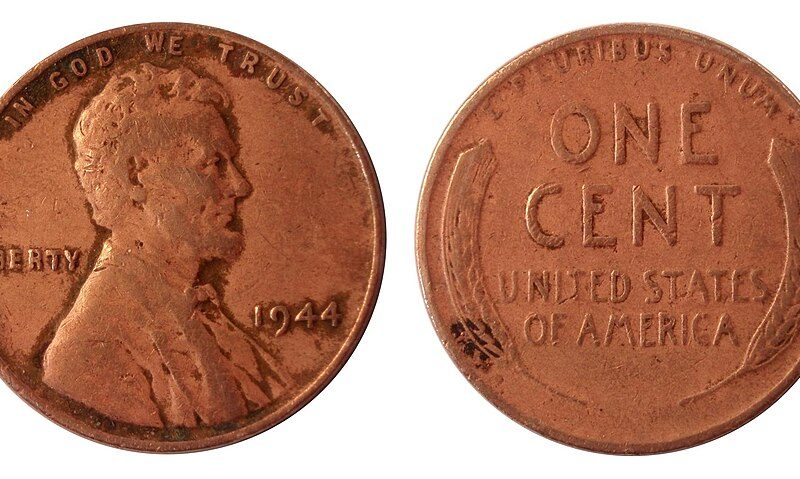
1944 Wheat Penny Coin Value (Errors List, “D”, “S” & No Mint Mark Worth)
Discover 1944 wheat penny values for 2026. Learn about mint marks (D, S, no mint mark), rare errors like steel and D/S over-mintmark, and how to identify valuable coins.
1920 Wheat Penny Coin Value (Errors List, “D”, “S” & No Mint Mark Worth)
A 1920 Wheat Penny is worth $0.50 to $2 in circulated condition, but high-grade examples can sell for $1,000 to $15,000+ depending on mint mark…
 Penny
Penny
1995 Penny Coin Value (Errors List, “D”, “S” & No Mint Mark Worth)
Most 1995 pennies are worth exactly one cent, but a few rare errors can sell for thousands. The most valuable is the 1995 Doubled Die…