
1964 Penny Coin Value (Errors List, “D” & No Mint Mark Worth)
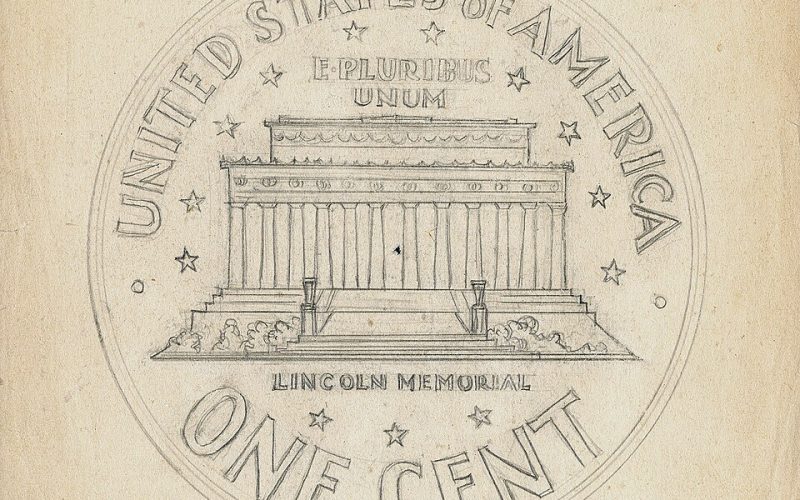
A 1964 penny is typically worth just 1 to 10 cents in everyday circulation, but in 2026, pristine high-grade examples with original mint red color can sell for over $1,000, with the finest specimens reaching $13,500 or more according to SD Bullion and BOLD Precious Metals. The presence or absence of a mint mark (“D” for Denver vs. no mint mark for Philadelphia) and any die errors or planchet flaws are the primary factors that separate common copper from valuable collector coins.
- Most 1964 pennies (no mint mark or “D”) are worth 1–10 cents in circulated condition, but pristine red examples (MS-67+) can exceed $1,000.
- Specific errors like the Doubled Die Reverse (DDR) or 1964-D overstruck on 1963 cents carry premiums from $70 to over $4,300.
- The ultra-rare 1964 Special Mint Set (SMS) in sharp condition is valued between $6,000 and $27,500+ by collectors in 2026.
1964 Penny Values: No Mint Mark vs. Denver Mint
Understanding the baseline value for normal 1964 pennies requires separating the two mint locations. The Philadelphia Mint produced over 2.6 billion pennies with no mint mark, while the Denver Mint struck more than 3.7 billion with a small “D” mint mark. With such enormous mintages, both are considered common modern coins. For a typical circulated coin showing wear, the value remains at or near its copper melt value, which is about 2.5 cents. However, the story changes dramatically for coins that survived in uncirculated condition with preserved mint luster.
Value Comparison by Grade and Mint Mark
The following table illustrates the significant price differences based on mint mark, grade, and color condition for 2026. Values are for regular strike coins without errors.
| Condition & Color | 1964 (No Mint Mark) | 1964-D (Denver) |
|---|---|---|
| Circulated (Good-Very Good) | 1–10 cents | 1–5 cents |
| About Uncirculated (AU) | 15–30 cents | 20–40 cents |
| MS-63 Red (RD) | ~$22 | ~$25 |
| MS-65 Red (RD) | ~$65 | ~$3.50 |
| MS-66 Red (RD) | ~$75 | Rarely seen |
| MS-67 Red (RD) | $1,000–$13,500+ | Extremely scarce |
The table reveals a critical pattern: at lower mint state grades like MS-63, both mints command similar modest premiums. However, at the elite MS-65 and especially MS-67+ levels, the Philadelphia no-mint-mark coin becomes exponentially more valuable. This divergence exists because the Denver Mint’s 1964 production was so vast that even high-grade examples are relatively common, while Philadelphia coins in perfect red condition are far scarcer. A 1964-D in MS-65 red might fetch only a few dollars, whereas a 1964 (no mint mark) in the same grade can reach $65, and an MS-67 red can surpass $10,000.
The Impact of Color: Red vs. Red-Brown vs. Brown
Coin color is not merely cosmetic—it is a fundamental value driver, especially for modern copper coins like the 1964 penny. Professional grading services use three primary color designations: Red (RD), Red-Brown (RB), and Brown (BN). A coin graded as Red retains its original, bright mint luster with no significant toning or oxidation. Red-Brown shows a mix of original red and brown toning, typically 10–30% brown. Brown indicates the coin has fully oxidized to a dark brown patina.
For a 1964 penny, the color distinction is worth thousands of dollars at the highest grades. A 1964 in MS-67 Red can sell for $13,500, while the same coin in MS-67 Red-Brown might be valued at $750, and in Brown at $400. This massive premium for red color exists because copper naturally oxidizes over time. A coin that has remained in pristine, uncirculated condition with its original mint red luster for over 60 years is exceptionally rare. Collectors view original mint red as the pinnacle of preservation, making it the single most important factor after the coin’s grade. When evaluating your 1964 pennies, hold them under a light; coins with a bright, coppery shine are the ones that could be valuable, while those that appear dull or brown are generally only worth face value.
What Are the Most Valuable 1964 Penny Errors?
Error coins represent a separate and often more lucrative category of valuable 1964 pennies. These occur when the minting process malfunctions, creating a coin that deviates from the standard design. The research data identifies several specific error types with established 2026 market values. Error values depend heavily on the severity of the mistake and the coin’s overall grade, but even minor errors can add significant premiums to an otherwise common coin.
Top Error Types and Their Market Values
The following table lists the most sought-after 1964 penny errors, how to identify them, and their typical price ranges in today’s market.
| Error Type | Key Identification Feature | 2026 Value Range |
|---|---|---|
| Doubled Die Reverse (DDR) | Clear doubling on reverse lettering, especially “E Pluribus Unum” and “States of America” | $70–$300+ |
| 1964-D Overstruck on 1963 | Visible remnants of a 1963 date beneath the 1964 date (overdate) | $4,300+ |
| Thin Planchet | Coin weighs significantly less than 3.11g (e.g., 2.4g), feels lighter | $190+ |
| Penny on Dime Planchet | Struck on a silver dime blank; wrong metal composition, silvery appearance, weight ~2.27g | $1,200–$5,000+ |
| Repunched Mint Mark (RPM) | “D” mint mark appears doubled, tripled, or tilted due to repositioning | $45+ |
| Off-Center Strike | Design is shifted 10%–50% off-center; date and rim may be clipped | $50–$100+ |
The most dramatic error is the 1964-D overstruck on a 1963 cent, where a 1964-D die struck a leftover 1963 planchet, creating a visible overdate. A genuine example sold for over $4,300. The Doubled Die Reverse (DDR) is more frequently encountered but still valuable, with doubling clearly visible on the reverse motto. The “penny on dime planchet” error is particularly stunning—a 1964 cent accidentally struck on a silver dime blank, resulting in a coin with the wrong weight and a silvery appearance. These often sell for $1,200 to $5,000. Thin planchet errors, where the coin is underweight due to insufficient metal, start around $190. The 1964-D Repunched Mint Mark (RPM) is a popular variety for collectors of that specific mint mark, with premiums starting at $45.
How to Identify Doubled Die and Repunched Mint Mark Errors
Spotting errors requires careful examination, often with 10x magnification. The two most accessible and valuable error types for 1964 pennies are the Doubled Die Reverse and the Repunched Mint Mark.
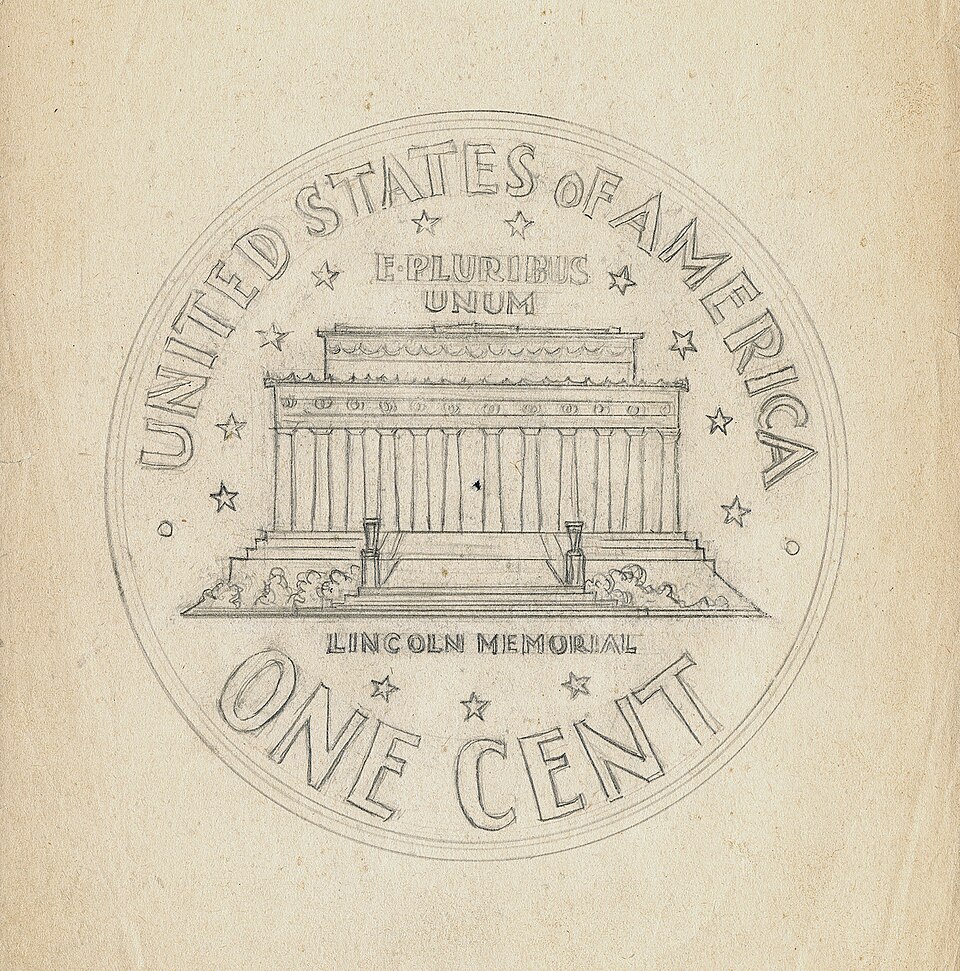
- For Doubled Die Reverse (DDR): Focus on the reverse (tails) side. Use a magnifier to examine the lettering in the motto “E Pluribus Unum” and the words “States of America”. Look for clear, distinct doubling in the curves of the letters, especially the “E” and “U” in “E Pluribus Unum” and the “S” and “A” in “States of America.” This doubling is a result of the die being hubbed twice in misalignment.
- For Repunched Mint Mark (RPM): This error only applies to 1964-D pennies. Examine the small “D” mint mark located just below the date on the obverse (heads) side. Under magnification, look for evidence that the “D” was punched more than once. The mint mark may appear doubled, tripled, or tilted because the mint worker repositioned the punch. A clear, dramatic RPM can significantly increase the coin’s value beyond the standard 1964-D price.
These two error varieties are the most commonly found and documented for 1964, making them the first things to check when examining your coins.
1964 Special Mint Sets: The $6,000–$27,500+ Rarity
Beyond regular circulation strikes and errors, the 1964 Special Mint Set (SMS) represents an entirely different tier of rarity and value. The SMS coins were not sold to the general public through standard mint sets. Instead, they were produced in very limited quantities and distributed only to select dealers and VIPs, making them one of the rarest Lincoln cent issues from the 1960s.
What Makes a 1964 SMS Coin So Rare?
The exact number of 1964 SMS sets produced is unknown, but numismatic experts estimate that only 20 to 50 complete sets may survive today. This is an extraordinarily low survival rate compared to the billions of regular strike 1964 pennies. The SMS coins were struck with specially prepared dies that gave them a unique appearance, and they were never intended for circulation. Their scarcity is absolute; even a well-worn, low-grade 1964 SMS penny can sell for thousands, while pristine examples command five-figure sums. In 2026, the market values high-grade 1964 SMS pennies in the range of $6,000 to $27,500+, depending on condition and color. This price places them among the most valuable Lincoln cents from the 1960s, rivaling even the famous 1909-S VDB.
Identifying Features of a Genuine 1964 SMS
Recognizing an SMS coin is critical, as counterfeits exist. The primary diagnostic feature is the sharp, square rims on both the obverse and reverse. This is a result of the special die preparation and striking process used for SMS coins, which produced a much more defined rim than standard circulation strikes. Additionally, SMS coins typically exhibit a satin-like luster rather than the shiny, mirrored finish of proof coins. They are almost always found in uncirculated condition because they were never released into circulation. If you suspect you have an SMS coin, authentication by a major grading service like PCGS or NGC is strongly recommended before considering any sale, as the financial stakes are very high.
The 1964 penny story is ultimately about extremes. Over 6.3 billion were minted across Philadelphia and Denver, making them common in pocket change. Yet within that mountain of copper exist a handful of coins—pristine red gems, dramatic errors, and ultra-rare SMS specimens—that can transform a one-cent piece into a life-changing sum. The difference between a 1-cent coin and a $27,500 coin is a combination of mint mark, error, color, and grade. If you are sorting through old coins, separate any 1964 pennies by mint mark (no mark vs. “D”), inspect them under magnification for doubling or planchet issues, and set aside any with bright, original mint red color. For any coin that appears to be in exceptionally high grade or shows clear error characteristics, professional grading is the only way to unlock its true market value.
Frequently Asked Questions About 1964 Penny
What is the rare error on a 1964 penny?
A red penny sold for over $1,100. Now if you compare it to this penny, here just one grade lower, once again, a 66 red grade only sold for $26.
What does a rare 1964 penny look like?
Coin: this is what you want to look at. You’ve got either red, red-brown, or brown coins. Red coins are closer to the intended mintstate color, and red-brown and brown coins can sort of evolve.
What makes a 1964 No mint mark penny valuable?
The absence of a mint mark adds to its uniqueness, making it a sought-after piece for enthusiasts of numismatics. The 1964 Lincoln Penny without a mint mark is a rare find for collectors due to the ‘L’ variety on the rim.
Related Coins
1960 Penny Coin Value (Errors List, “D” & No Mint Mark Worth) – 2026 Guide
Complete 1960 penny value guide for 2026. Learn what 1960-D Small Date Over Large Date errors are worth ($200-$500+), RPM values, and how to identify Small vs Large Date. Includes price table.
 Penny
Penny
1958 Wheat Penny Coin Value (Errors List, D & No Mint Mark Worth)
Complete 2026 guide to 1958 Wheat Penny values. Includes D mint mark and no mint mark varieties, comprehensive error list with actual prices, and expert tips on identifying valuable coins. All data current as of 2026.
 Penny
Penny
1909 VDB Penny Coin Value (Errors List, “S” & No Mint Mark Worth)
The 1909 VDB penny value in 2026 spans a dramatic range, from $0.25 for a heavily worn common date to over $100,000 for a flawless…