
1930 Wheat Penny Coin Value (Errors List, “D”, “S” & No Mint Mark Worth)
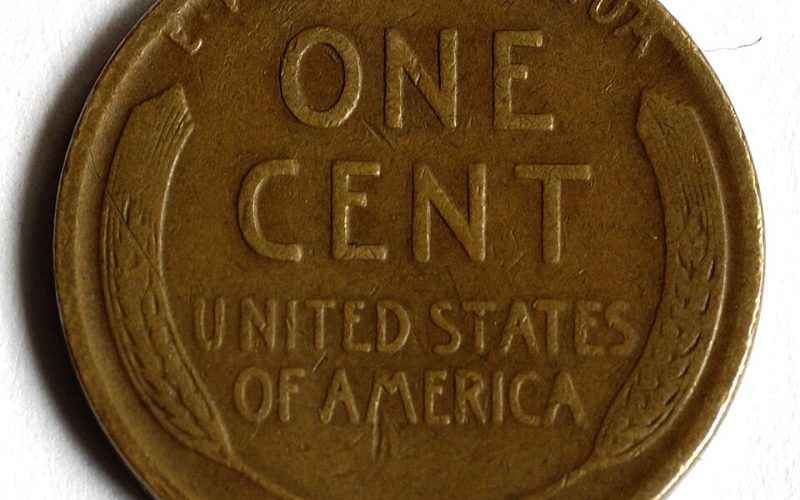
A 1930 wheat penny is typically worth $0.20 to $2.00 in circulated condition, with uncirculated examples ranging from $10 to over $30. The exact value depends on the mint mark—Philadelphia (no mint mark), Denver (D), or San Francisco (S)—and whether the coin has any errors, particularly repunched mintmarks (RPM). This guide covers current 2026 market values for all three mint marks, highlights the most valuable RPM varieties, and explains how to identify these potentially thousand-dollar errors. Always verify your coin’s authenticity before consulting value guides. Collectors actively seek 1930-D and 1930-S pennies, with RPM errors commanding significant premiums. We’ll also warn about the Australian 1930 Penny, which is a completely different coin worth thousands.
- 1930 wheat pennies typically range from $0.20-$2.00 circulated, with uncirculated examples from $10-$30+.
- The 1930-S is the most valuable regular issue, reaching $150+ in uncirculated condition.
- RPM errors on 1930-D and 1930-S can push values into the thousands, with a record $11,400 for a 1930-D PCGS MS-67 Red.
1930 Wheat Penny Values: Complete Price Guide for All Mint Marks
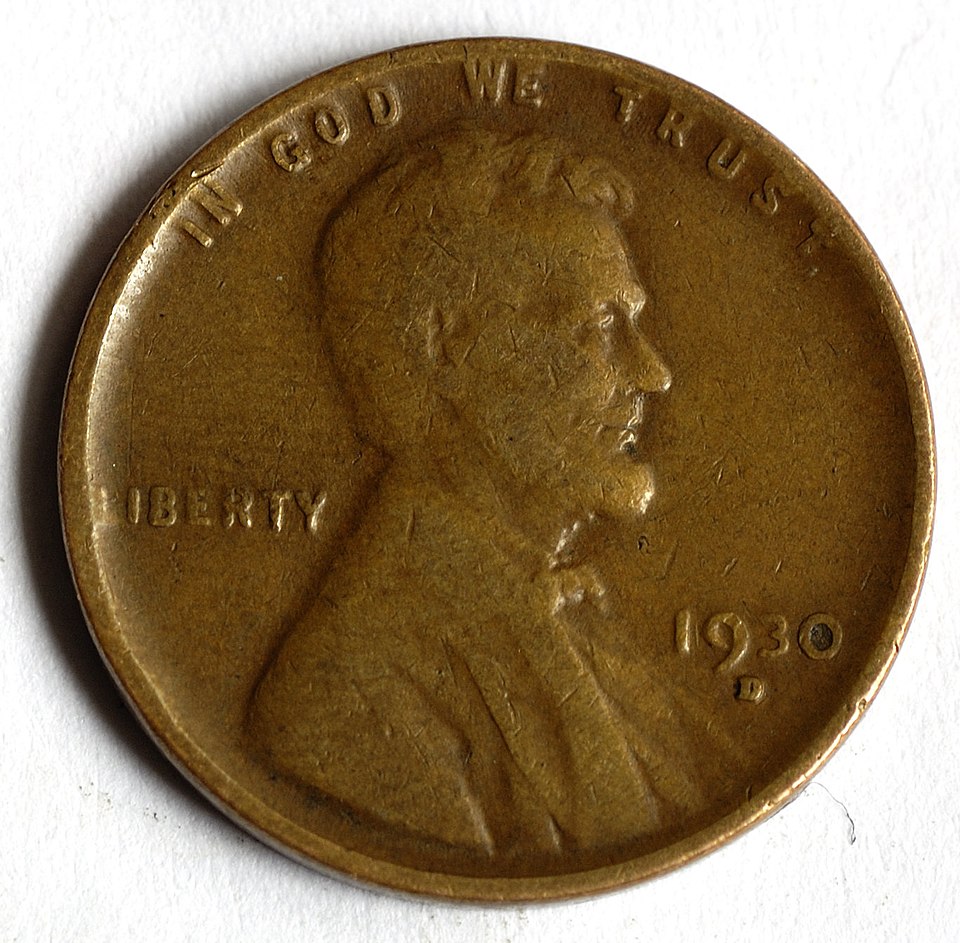
1930-P, 1930-D, and 1930-S Value Comparison Table
The table below summarizes 2026 market values for 1930 wheat pennies by mint mark. All values are in US dollars and represent typical coins in the specified condition. These ranges are based on recent sales from major auction houses and dealer listings.
| Mint Mark | Circulated Value Range | Uncirculated Value Range | Key Rarity Notes |
|---|---|---|---|
| No Mint Mark (Philadelphia) | $0.25-$2 | $20+ | Most common of the three |
| 1930-D (Denver) | $0.50-$10 | $100+ | Lower mintage than Philadelphia |
| 1930-S (San Francisco) | $1-$15 | $150+ | Lowest mintage, scarcer |
Condition is the primary driver of value; a coin graded MS-65 can be worth many times more than one in Good condition. Mint mark also plays a crucial role, with the 1930-S being the scarcest and most valuable of the regular issues. According to Bullion Shark, these ranges reflect the 2026 market where collector demand for key dates remains strong. When evaluating your coin, consider that the uncirculated values start at the lower end for coins with slight wear (MS-60 to MS-62) and rise significantly for gem-quality specimens (MS-65 and above). The key rarity notes highlight that the 1930-S had the lowest mintage of the three, making it inherently scarcer. The 1930-D, while not as rare as the 1930-S, still has a lower mintage than the Philadelphia issue, explaining its higher baseline value. Philadelphia minted the most 1930 pennies, so they are the most accessible for collectors. These price ranges are averages; individual coins may fall outside due to factors like strike quality, luster, and eye appeal. For the most accurate valuation, consult recent auction results and consider professional grading if you suspect a high-grade coin or an error variety. Additionally, repunched mintmark (RPM) errors, which are not reflected in these base values, can add substantial premiums, as discussed in the next section.
1930 No Mint Mark Penny Value: Philadelphia Mint Prices
The 1930-P (Philadelphia) wheat penny is the most common of the three mint marks produced in 1930. Because it was struck in the highest quantity, it commands the lowest premiums. In circulated condition, expect to find these coins for $0.25 to $2. Uncirculated examples start around $20 and can exceed $30 for high-grade specimens like MS-67. Even though it’s a common date, a pristine 1930-P with full red luster is still desirable to collectors and can approach the values of the scarcer mint marks in top condition. According to CoinTrackers, most 1930 Lincoln cents from any mint are worth relatively similar, but the Philadelphia issue consistently trails the Denver and San Francisco issues in value due to its higher survival rate. For collectors on a budget, the 1930-P offers an affordable entry into the wheat penny series, yet it still holds historical significance as part of the 1909-1958 Lincoln cent run.
Are 1930s Wheat Pennies Valuable? Yes, Here’s Why
Absolutely. The 1930s wheat pennies, particularly the 1930-D and 1930-S, are considered key dates within the Lincoln wheat cent series (1909-1958). Their lower mintages compared to earlier years make them scarcer and more sought after. The 1930-S had the smallest mintage of the three, explaining its higher value. Even the common 1930-P can be worth $20 or more in uncirculated condition, which is significant for a coin that is over 90 years old. Collector demand for these early wheat cents remains strong, especially for coins in high grades with original red color. As noted by Gainesville Coins, the 1930-D and 1930-S are consistently listed among the most valuable wheat pennies for their period. So, yes, 1930s wheat pennies are valuable, and that value increases dramatically with condition and rare error varieties.
Australian 1930 Penny Warning: Don’t Confuse These Coins
A critical warning: the Australian 1930 Penny is a completely different coin worth thousands of dollars, not to be confused with the US 1930 wheat penny. The Australian version is a rare mint error from the Melbourne Mint, with only about 1,500 examples known (Coinworks). It features King George V and a kangaroo reverse. The US 1930 wheat penny, in contrast, depicts President Lincoln on the obverse and two wheat stalks on the reverse. Always verify your coin has ‘ONE CENT’ and the wheat ears to confirm it’s a US Lincoln cent. Misidentifying an Australian penny as a US wheat penny could lead to a massive undervaluation; conversely, assuming a US penny is Australian could cause disappointment. Check the design carefully before consulting any value guide. Remember, the Australian 1930 Penny is a legendary rarity, but it is not part of the US wheat penny series.
1930-D and 1930-S RPM Error Varieties: The $1,000+ Pennies
1930-D/D RPM Varieties and Record Prices
- 1930-D/D RPM (MS64 Red): $1,080 (sold November 2023, per CoinValueChecker)
- 1930-D/D specimen: $5,760
- PCGS MS-67 Red: $11,400 (2019 sale, highest recorded for any 1930-D)
RPM stands for Repunched Mintmark. It occurs when the Denver mintmark ‘D’ is punched into the die more than once, often with slight misalignment, creating a doubled or shadowed appearance. These errors are scarce and highly prized by variety collectors. The 1930-D RPM is one of the most valuable error varieties for this date, with prices soaring into four figures for high-grade examples. The $11,400 record for a PCGS MS-67 Red demonstrates the premium that collectors will pay for a pristine, clearly repunched mintmark. According to The Fun Times Guide, that 2019 sale set a benchmark for 1930-D RPMs. If you own a 1930-D, carefully examine the mintmark under magnification; you might have a coin worth thousands more than the typical $100+ uncirculated value.
1930-S/S RPM: FS-501 Variety Worth $7,000 in MS67 Red
- 1930-S/S RPM FS-501 (MS67 Red): $7,000
- FS-501 is a specific repunched mintmark variety recognized by the Full Step (FS) cataloging system
- San Francisco mintmarks are smaller and more prone to repunching than Denver’s
- Values typically range from $25 to $200 depending on grade and the clarity of the doubling
The FS-501 variety shows a distinct doubling of the ‘S’ mintmark, often visible as a shadow or incomplete letter. Collectors seek this variety aggressively, especially in high grades with original red luster. Even lower-grade examples can command a premium over normal 1930-S pennies. According to CoinValueChecker, the $7,000 MS67 Red sale underscores the rarity of this variety in top condition. The San Francisco Mint’s smaller mintmark punch made repunching more common, so many 1930-S pennies exhibit some degree of RPM. However, only clearly repunched examples with distinct doubling qualify for the significant premium. Look for the FS-501 designation in grading reports to identify the most desirable variety.
How to Identify RPM Errors on 1930 Wheat Pennies
- Locate the mintmark on the reverse, just below the wheat ears. For 1930, it will be either ‘D’ (Denver) or ‘S’ (San Francisco). Philadelphia issues have no mintmark.
- Use a 10x loupe under bright light to examine the mintmark closely. Proper lighting is essential to see subtle doubling.
- Look for doubling, shadowing, or a ghost image overlapping the primary mintmark. The doubling is often more pronounced at the top or bottom of the letter.
- Compare with known normal mintmarks from the same year. Reference images from reputable sources like the FS catalog or PCGS variety guides.
- If you suspect an RPM, consider submitting the coin to a professional grading service like PCGS or NGC for authentication and attribution. Their experts can confirm the variety and assign a premium grade.
RPM errors are caused by the mintmark being punched multiple times during die preparation. They are not to be confused with doubled die errors, which affect the entire design. RPMs are specific to the mintmark and are a popular collecting area. With practice, you can spot many RPMs using a loupe, but professional verification adds significant value to the coin. Remember, even a small amount of doubling can increase the value from $100 to several thousand dollars, so it’s worth the effort to check your 1930-D and 1930-S pennies carefully.
Surprisingly, a common 1930 wheat penny—one you might find in loose change—could be worth over $11,000 if it’s a high-grade repunched mintmark error. The record $11,400 sale for a 1930-D PCGS MS-67 Red shows that these errors are not just novelties but serious collector’s items. Action step: Examine the mintmark on any 1930 wheat penny under 10x magnification. If you see any doubling or shadowing, get the coin professionally graded by PCGS or NGC. A confirmed RPM can multiply your coin’s value by hundreds or even thousands. Don’t overlook this simple check—it could turn a $2 coin into a four-figure treasure. Also, be sure to distinguish US wheat pennies from the Australian 1930 Penny, which is a different coin entirely. Focus on the Lincoln and wheat design to confirm you have the right coin before seeking grading. For more on early Lincoln cents, see our guide to the 1859 Indian Head Penny value guide. The 1863 Indian Head Penny article covers those historic issues. The 1877 Indian Head Penny is another key date worth reviewing. Our 1888 Indian Head Penny page also discusses error varieties. For more on repunched mintmarks, see the 1889 Indian Head Penny guide. The 1890 Indian Head Penny article covers other error types. Professional grading services like those used for the 1893 Indian Head Penny can authenticate RPMs.
Related Coins
1863 Indian Head Penny Value Guide 2026: Errors, No Mint Mark & Current Prices
Get the 2026 market value of 1863 Indian Head pennies. Condition grades, error varieties worth thousands, and why no mint mark doesn't affect price. Complete pricing guide.
1936 Wheat Penny Value: Complete Guide to Mint Marks, Errors & Worth in 2026
Discover the 1936 Wheat Penny value for 2026. Learn how mint marks (D, S, no mint mark) and errors like Doubled Die affect worth. Get current price ranges and auction records.
 Penny
Penny
1983 Penny Coin Value (Errors List, “D”, “S” & No Mint Mark Worth)
Most 1983 pennies are worth just one cent, but rare error varieties can sell for thousands of dollars. The most valuable is the copper transitional…